
Research Use Only
Peptides for Gut Health
Peptides studied in the context of gastrointestinal-tract repair, mucosal integrity, and gut-lining models.
Peptides for Gut Health are research compounds studied for their roles in gastrointestinal mucosal signaling, epithelial barrier modulation, and host defense peptide activity. This category features cytoprotective signaling peptides, actin-sequestering repair peptides, and cathelicidin-derived antimicrobial peptides. All compounds are supplied for in vitro and preclinical laboratory research use only.
Reviewed by the VivePeptides Research DeskLast reviewed
Research Overview
Gut Health Peptides: A Research Category Overview
The gut health peptide research category encompasses compounds investigated in preclinical models of gastrointestinal mucosal repair, intestinal barrier integrity, and innate immune defense. Researchers have identified this area as highly active because the gastrointestinal epithelium represents a convergence point for repair signaling, inflammatory modulation, and host-pathogen interaction. Three mechanism classes are represented in this collection: cytoprotective growth factor signaling peptides, actin-sequestering systemic repair peptides, and cathelicidin-derived host defense peptides.
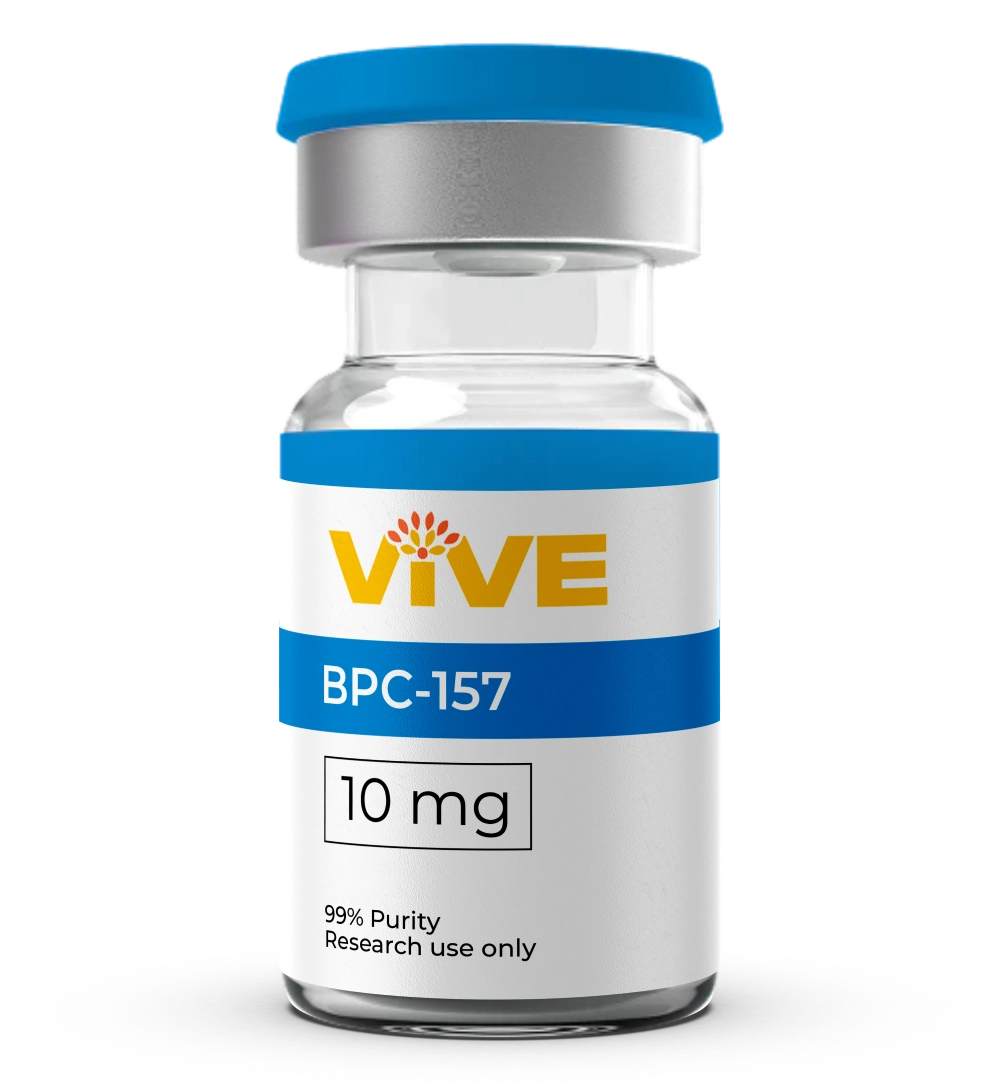
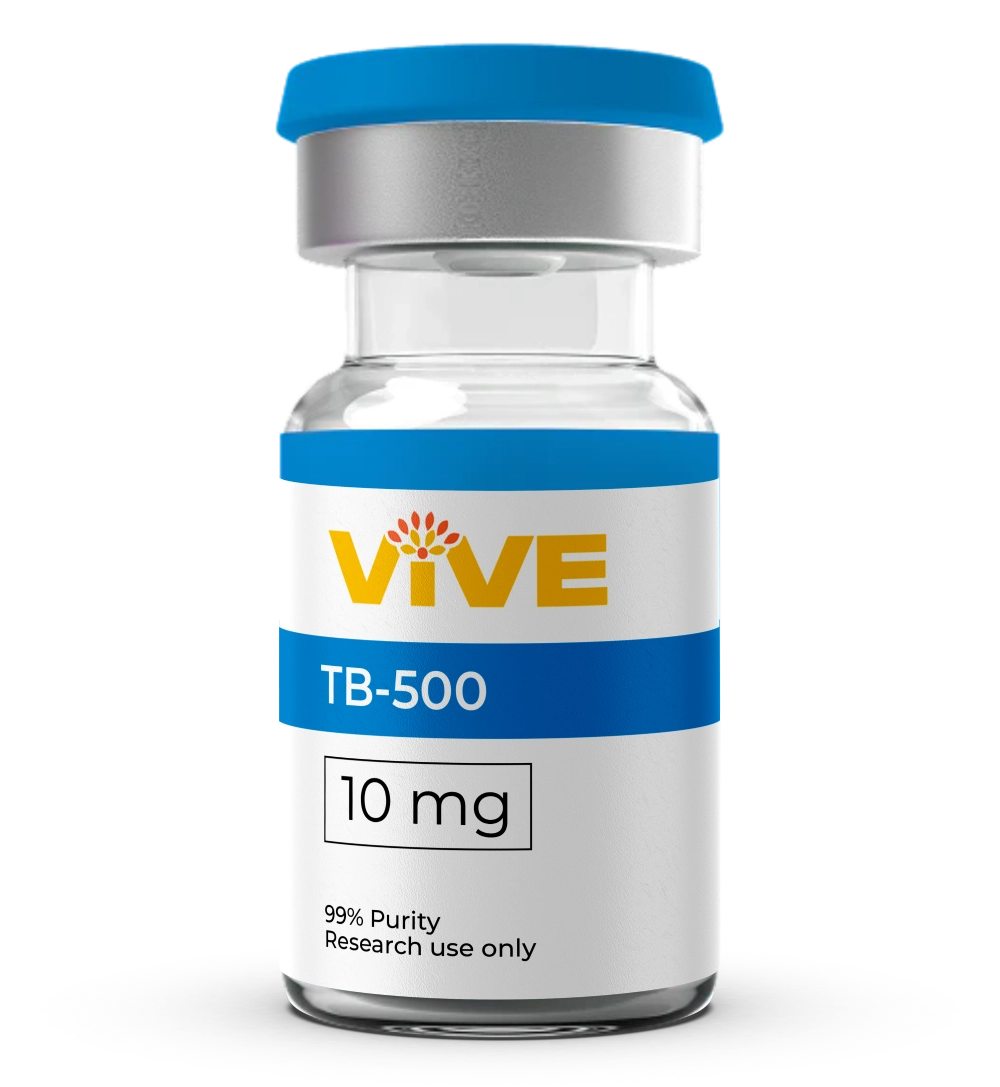
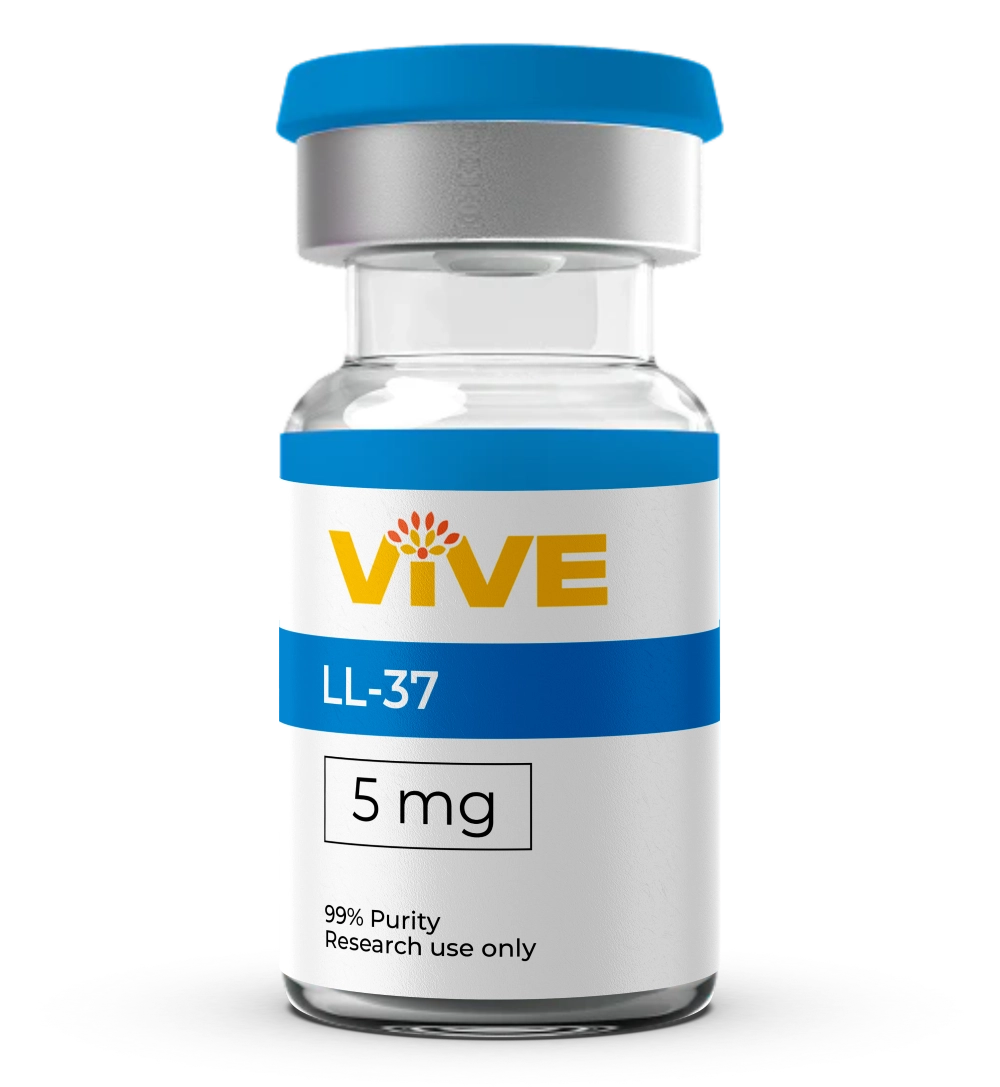
BPC-157 is a synthetic pentadecapeptide investigated for gastrointestinal mucosal cytoprotection and angiogenic signaling. TB-500, derived from Thymosin Beta-4, is an actin-sequestering peptide studied for tissue repair and anti-inflammatory cytokine modulation. LL-37 is a cathelicidin-derived antimicrobial peptide examined for epithelial barrier defense and mucosal immunomodulation.
VivePeptides supplies each compound with third-party purity documentation, supporting reproducible laboratory research protocols.
Three Distinct Mechanism Classes
This collection spans cytoprotective signaling, actin-sequestering repair, and cathelicidin-derived host defense peptides, enabling researchers to interrogate gut health pathways from multiple mechanistic angles within a single sourcing relationship.
Third-Party Verified Purity Standards
Each compound in this collection is accompanied by third-party analytical documentation including HPLC purity data and mass spectrometry verification, supporting the reproducibility requirements of peer-reviewed preclinical research.
Selecting Compounds by Research Target
Researchers targeting mucosal repair signaling typically investigate BPC-157, those studying systemic actin-mediated repair examine TB-500, and innate immune defense studies in gut epithelial models center on LL-37.
Compound Comparison
How these compounds compare
| Compound | Mechanism Class | Research Focus | Distinguishing Feature |
|---|---|---|---|
| BPC-157 | Cytoprotective signaling peptide | Gastrointestinal mucosal repair | Growth factor and nitric oxide pathway modulation |
| TB-500 | Actin-sequestering repair peptide | Systemic tissue repair and inflammation | G-actin sequestration and cell migration signaling |
| LL-37 | Cathelicidin-derived host defense peptide | Mucosal antimicrobial and immune defense | Epithelial receptor binding and pathogen defense |
Mechanism & Research Context
Mechanism Classes and Preclinical Research Context
What distinguishes this collection is the diversity of mechanism classes targeting the gut environment through complementary, non-overlapping pathways. BPC-157 has been investigated for cytoprotective and angiogenic signaling at the mucosal level, with preclinical literature examining its interaction with growth factor receptors and nitric oxide pathways in gastrointestinal tissue.
TB-500 operates through G-actin sequestration, and research has examined its capacity to modulate inflammatory cytokine profiles and promote cell migration in tissue injury models relevant to intestinal repair. LL-37 functions as a host defense peptide with documented antimicrobial activity and epithelial receptor binding, with preclinical studies investigating its role in maintaining mucosal immune homeostasis.
Researchers selecting between these compounds typically consider the target pathway: mucosal repair signaling, systemic actin-mediated repair, or innate immune defense. Study design considerations include solubility profiles, vehicle conditions, and appropriate in vitro or ex vivo model selection for each mechanism class.
Research FAQ
Frequently asked questions
What are peptides for gut health in the context of laboratory research?
What mechanism class does BPC-157 belong to, and why is it included in gut health research collections?
How does TB-500 relate to gut health peptide research?
What distinguishes LL-37 from the other peptides in this collection?
How should researchers choose between BPC-157, TB-500, and LL-37 for a gut health study?
What purity and documentation standards apply to VivePeptides gut health research compounds?
Related Research Collections
Continue exploring
All products are sold strictly for laboratory and scientific research use only. Not for human or animal consumption, diagnostic, or therapeutic use. Nothing on this page constitutes medical advice or a health claim.