
Research Use Only
Peptides for Hair Growth
Peptides studied in the context of follicle signaling, dermal-papilla activity, and the hair growth cycle.
Peptides for Hair Growth are research compounds studied for their potential roles in follicular biology, extracellular matrix signaling, and tissue-level regenerative mechanisms in preclinical models. This category encompasses copper-binding peptides, multi-peptide regenerative blends, and receptor-targeted signaling compounds. All compounds are supplied for in vitro and preclinical laboratory research use only, not for human or veterinary application.
Reviewed by the VivePeptides Research DeskLast reviewed
Research Catalog
Compounds in this collection
Research Overview
Hair Growth Peptides: A Preclinical Research Category
Hair growth peptide research encompasses compounds with distinct mechanism classes relevant to follicular cycling, scalp tissue biology, and extracellular matrix dynamics. It is an active area of investigation because multiple molecular pathways converge on follicular biology, and different mechanism classes allow researchers to interrogate discrete nodes within those pathways.
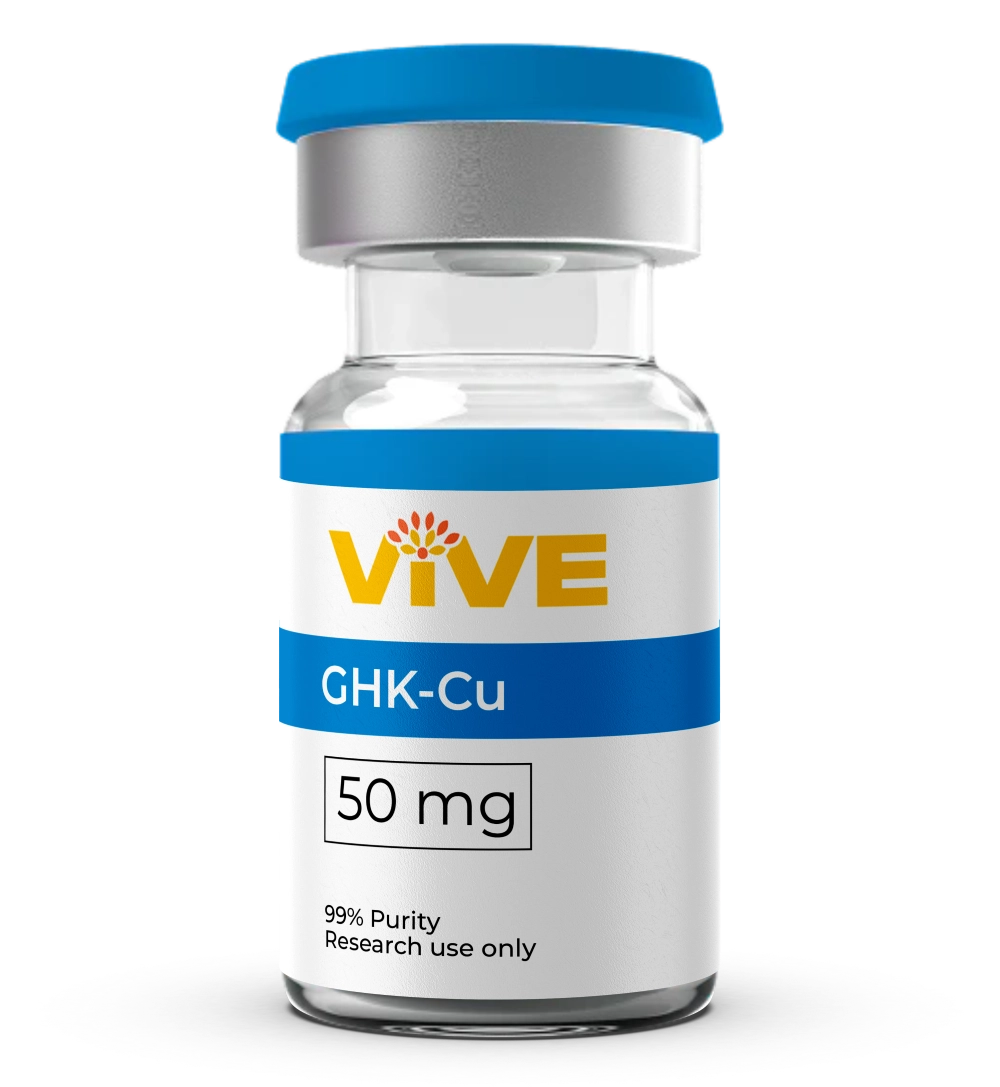
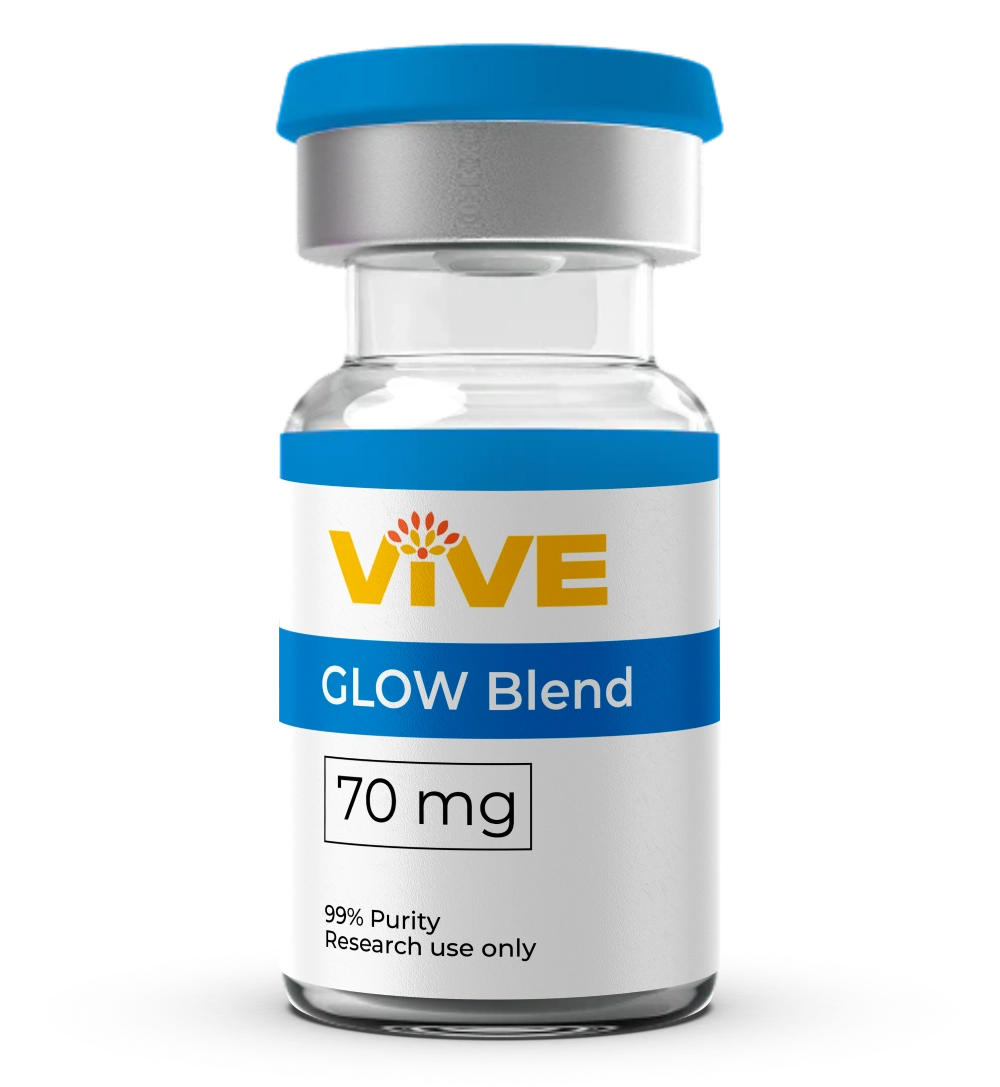
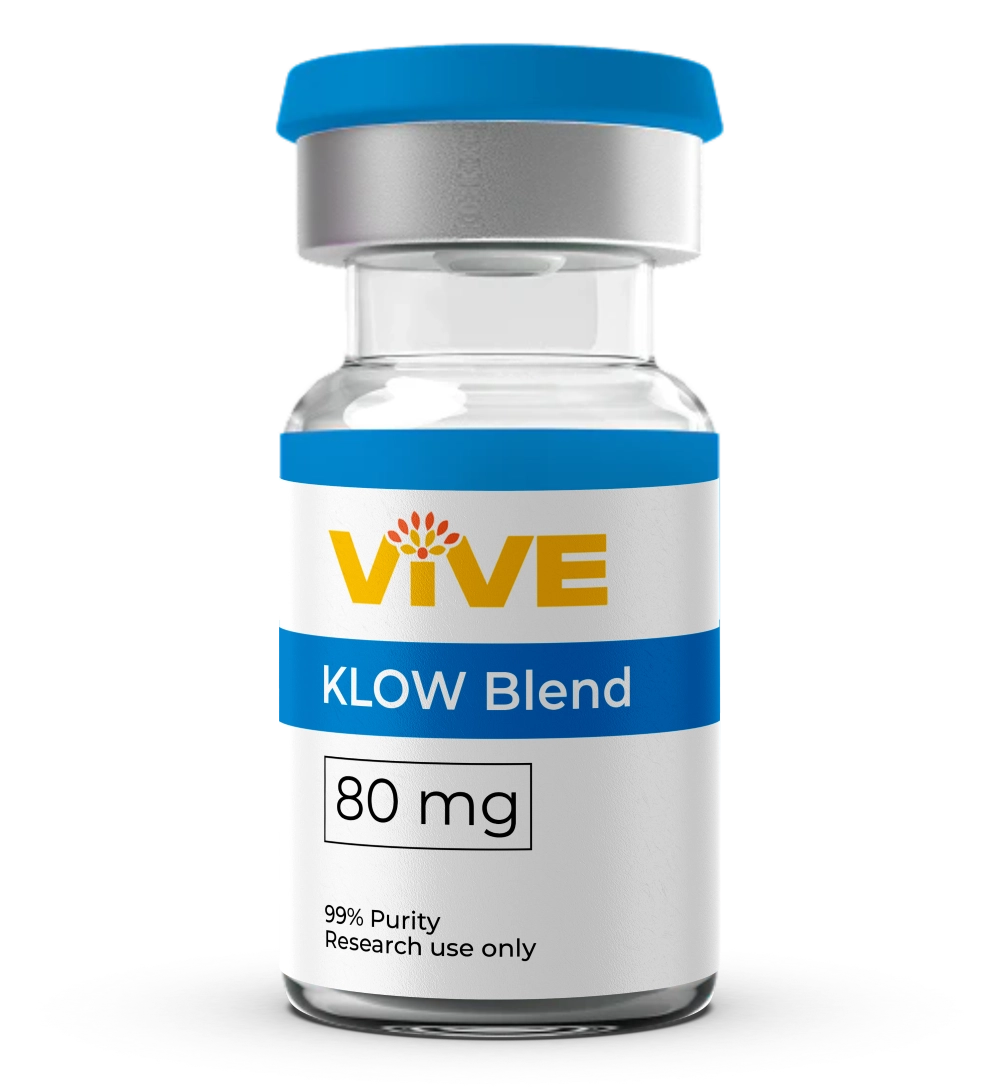
VivePeptides curates three compounds in this collection: GHK-Cu, a copper-binding tripeptide investigated for its interactions with copper-dependent enzymes and follicular gene expression; the Glow Blend, a multi-peptide formulation combining BPC-157, TB-500, and GHK-Cu for researchers designing multi-pathway regenerative protocols; and the KLOW Blend, which targets receptor-mediated signaling pathways studied in models of follicular and inflammatory biology. Each compound is supplied with documented purity specifications and certificates of analysis, supporting reproducible preclinical protocols.
This collection is intended exclusively for qualified laboratory researchers.
Three Distinct Mechanism Classes
This collection spans copper-binding, tissue-regenerative, and receptor-targeted signaling mechanisms, allowing researchers to design studies that isolate a single pathway or compare complementary ones. Selecting the appropriate compound depends on the molecular target and model system specified in the study protocol.
Purity Documentation for Reproducible Research
All hair growth peptides in this collection are supplied with certificates of analysis and documented purity specifications. Consistent documentation standards support audit-ready preclinical protocols and inter-laboratory reproducibility.
Matching Compounds to Study Design
GHK-Cu is suited to copper-dependent pathway investigations, the Glow Blend to multi-pathway tissue regeneration models, and the KLOW Blend to receptor-mediated signaling studies. Researchers are encouraged to review each compound's technical datasheet to confirm suitability before initiating protocols.
Compound Comparison
How these compounds compare
| Compound | Mechanism Class | Research Focus | Distinguishing Feature |
|---|---|---|---|
| GHK-Cu | Copper-binding tripeptide | Matrix remodeling, follicular gene expression | Single-mechanism, well-characterized preclinical profile |
| Glow Blend (BPC/TB/GHK) | Multi-peptide regenerative blend | Tissue repair, growth factor signaling, matrix remodeling | Three complementary mechanism classes, one formulation |
| KLOW Blend | Receptor-targeted signaling blend | Inflammatory modulation, follicular receptor pathways | Distinct receptor-mediated mechanism class |
Mechanism & Research Context
Mechanism Classes and Research Context for Hair Loss Peptides
The compounds in this collection are distinguished by their primary molecular targets, which span copper chelation, tissue-regenerative growth factor signaling, and receptor-mediated inflammatory modulation. GHK-Cu is studied in preclinical literature for its regulation of matrix metalloproteinases and extracellular scaffold remodeling in follicular models.
The Glow Blend introduces two additional mechanism classes: BPC-157, investigated for growth factor pathway engagement and vascular biology in tissue repair contexts; and TB-500, an actin-binding peptide examined for cell migration dynamics and cytoskeletal organization. The KLOW Blend represents a separate receptor-targeted class, with preclinical research examining its relevance to inflammatory signaling and follicular receptor pathways.
Researchers selecting among these compounds typically consider the primary molecular target, model system compatibility, and whether single-mechanism or multi-mechanism study designs best address the research hypothesis. Reconstitution protocols and storage conditions vary across these classes and should be verified against supplied technical documentation before use.
Research FAQ
Frequently asked questions
What are hair growth peptides in the context of preclinical research?
What is GHK-Cu and why is it studied in follicular research models?
How does the Glow Blend differ from GHK-Cu as a standalone research compound?
What mechanism class does the KLOW Blend represent in hair follicle research?
How should a researcher choose among the peptides for hair growth in this collection?
What does "research use only" mean for hair loss peptides sold by VivePeptides?
Related Research Collections
Continue exploring
All products are sold strictly for laboratory and scientific research use only. Not for human or animal consumption, diagnostic, or therapeutic use. Nothing on this page constitutes medical advice or a health claim.