Research Article
Peptide Degradation: Why Two Vials Behave Differently

Peptide degradation explains why two vials of the same peptide can behave differently: moisture, oxygen, heat, pH and lot-level differences all change a molecule over time. Reading the certificate of analysis and storing material correctly separates a stable vial from a compromised one. All material discussed is for research use only.
By Vive Peptides Team
What causes peptide degradation?
Peptide degradation falls into two families. Chemical degradation alters the covalent structure of the molecule, while physical degradation changes how chains fold and pack together without breaking any bonds. Both reduce the intact fraction of a sample, and both speed up when water, heat, light or oxygen are present.
Five degradation pathways account for most losses in laboratory research:
- Hydrolysis: Water attacks peptide bonds, the links joining amino acids, and causes cleavage of the chain. Aspartic acid next to proline is an especially acid-labile site, and low pH accelerates the reaction.
- Deamidation: Asparagine and glutamine residues lose an amide group. An asparagine followed by glycine is usually the fastest-reacting pair, and the rate climbs as pH rises toward neutral and above.
- Oxidation: Methionine, cysteine and tryptophan residues react with oxygen. Methionine converts to a sulfoxide, while cysteine forms disulfide bonds with neighboring chains. Trace metals catalyze these reactions.
- Aggregation: Molecules self-associate into dimers and larger clusters through hydrophobic interaction between chains. High concentration, agitation, air bubbles and repeated freezing all push this physical pathway.
- Enzymatic cleavage: Proteolytic enzymes from microbial contamination cut chains at specific residues. This matters most after reconstitution, when a peptide solution offers water and nutrients to any contaminant.
Peptide structure influences which of these mechanisms dominates. A sequence rich in methionine and cysteine leans toward oxidation, one with many asparagine residues toward deamidation, and a hydrophobic sequence toward aggregation. Two peptides stored identically can therefore lose purity at very different rates. The same logic explains why the answer to what destroys peptides is a list rather than a single cause: heat, moisture, oxygen, light, extreme pH and microbial enzymes.
Do peptides go bad, and how long do they last?
Do peptides go bad? Yes. Every peptide degrades over time, and the only variable is speed. Storage state sets the pace of peptide stability more than any other factor.
What is the shelf life of lyophilized peptides?
Lyophilized peptides are freeze-dried powders with most water removed, so hydrolysis and deamidation slow dramatically. Kept sealed, cold, dry and dark, many lyophilized peptides stay largely intact for a year or more, though sequences heavy in cysteine, methionine or tryptophan usually have shorter windows. The labeled storage conditions and retest date for each lot set the working limit. Powder is hygroscopic (it absorbs moisture from air), so researchers let a cold vial reach room temperature before opening it, which prevents condensation from wetting the cake.
How long do reconstituted peptides last in the fridge?
Once dissolved, every degradation pathway runs faster. At 2 to 8 °C, many reconstituted peptides remain usable for days to a few weeks, depending on sequence, pH, concentration and sterility. Bacteriostatic water contains 0.9% benzyl alcohol, which suppresses microbial growth, so a peptide solution made with it generally outlasts one made with plain sterile water. Peptide degradation after reconstitution is the main reason lyophilized material is preferred for anything held longer than a few weeks.
How to store peptides, lyophilized and reconstituted
Storage is one of the most frequently asked topics in laboratory research, and the rules for how to store peptides are short. Keep material cold, dry, dark and sealed, and limit handling. Lyophilized powder goes to -20 °C for long-term holding. Reconstituted solutions go to 2 to 8 °C for short-term use, or into single-use aliquots in a freezer. Keep peptide vials upright with caps tight, and label each one with its reconstitution date. When reconstituting, swirl gently rather than shaking: vigorous mixing creates air bubbles that expose the peptide to oxygen and to an air-water interface where aggregation starts. Storage temperature also influences how fast enzymatic activity from any contaminant proceeds.
Do peptides need to be refrigerated before reconstitution?
Not for short periods. Lyophilized powder tolerates room temperature for days to weeks in many cases, which is why shipping between laboratories commonly uses insulated packaging rather than deep freeze. For long-term holding, refrigeration at 2 to 8 °C or freezing at -20 °C is the conservative choice because it slows residual moisture-driven reactions. Humidity matters as much as temperature, so a sealed vial in a desiccated container beats an open one in a cold room.
How long can peptides be out of the fridge?
The answer depends on state. Lyophilized powder often tolerates days to weeks at room temperature, though exposure adds up over the life of a lot. Reconstituted solutions are far less forgiving: hours at room temperature is a reasonable ceiling for most, and any warm excursion should be logged. When a sequence is unfamiliar, the supplier's stability data takes precedence over general rules of thumb.
Can you freeze peptides after reconstitution?
In many cases, yes, provided the solution is divided into single-use aliquots first. Repeated freezing and thawing drives aggregation and concentrates solutes in unfrozen pockets where pH can shift sharply. Researchers typically freeze at -20 °C or -80 °C, avoid frost-free freezers that warm periodically, and discard an aliquot after thawing instead of refreezing it.
Why do two vials of the same peptide behave differently from lot to lot?
A shared label indicates a shared sequence, but it does not establish a shared history. Synthesis lots differ in impurity profile, such as truncated chains and deletion sequences, and in residual water and counterion content. Lyophilization differs too: a dense, dry cake resists hydrolysis better than one that kept extra moisture. After release, each vial gains its own record of transport temperature, time at room temperature, headspace oxygen and its interaction with the stopper. Add reconstitution variables such as concentration, pH and diluent, and two vials with identical labels can diverge measurably in peptide stability.
Does the lot or batch of a peptide affect its potency?
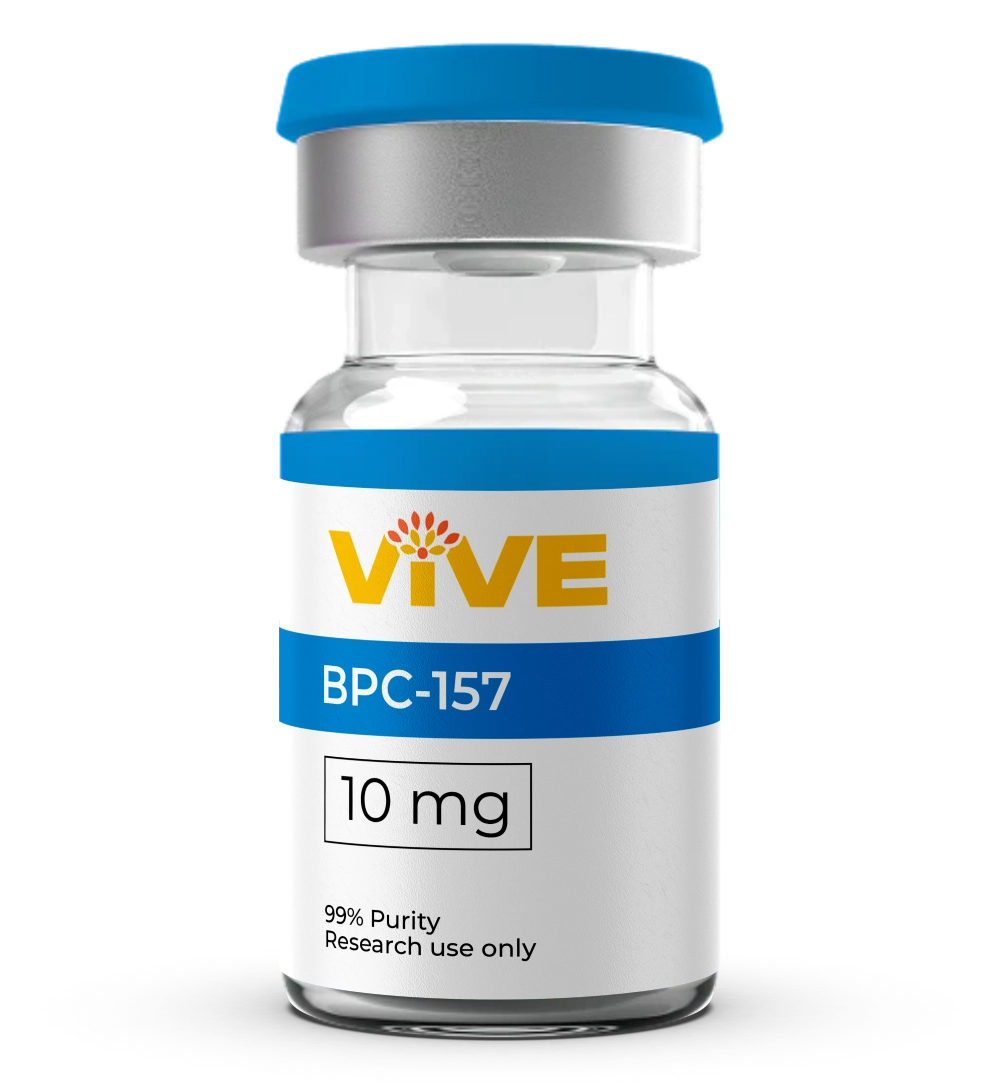
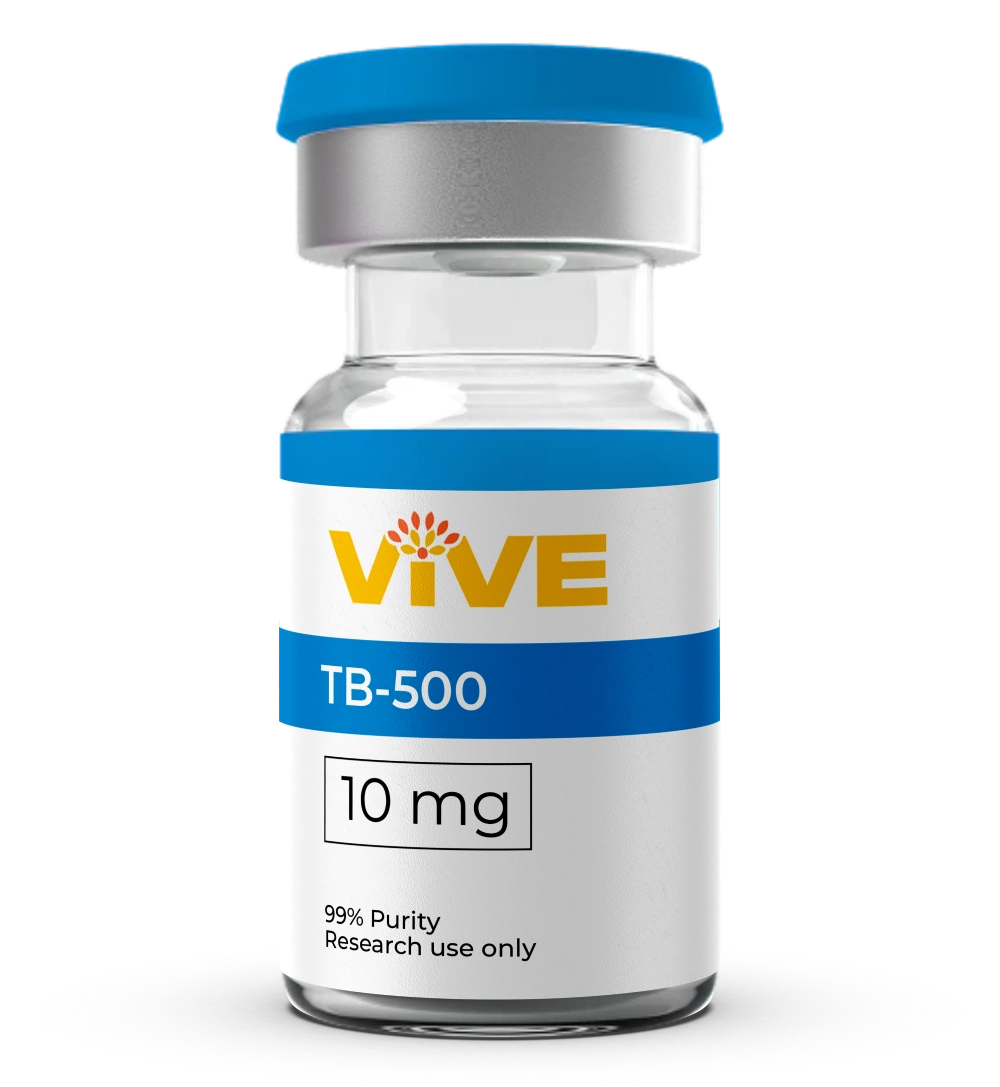
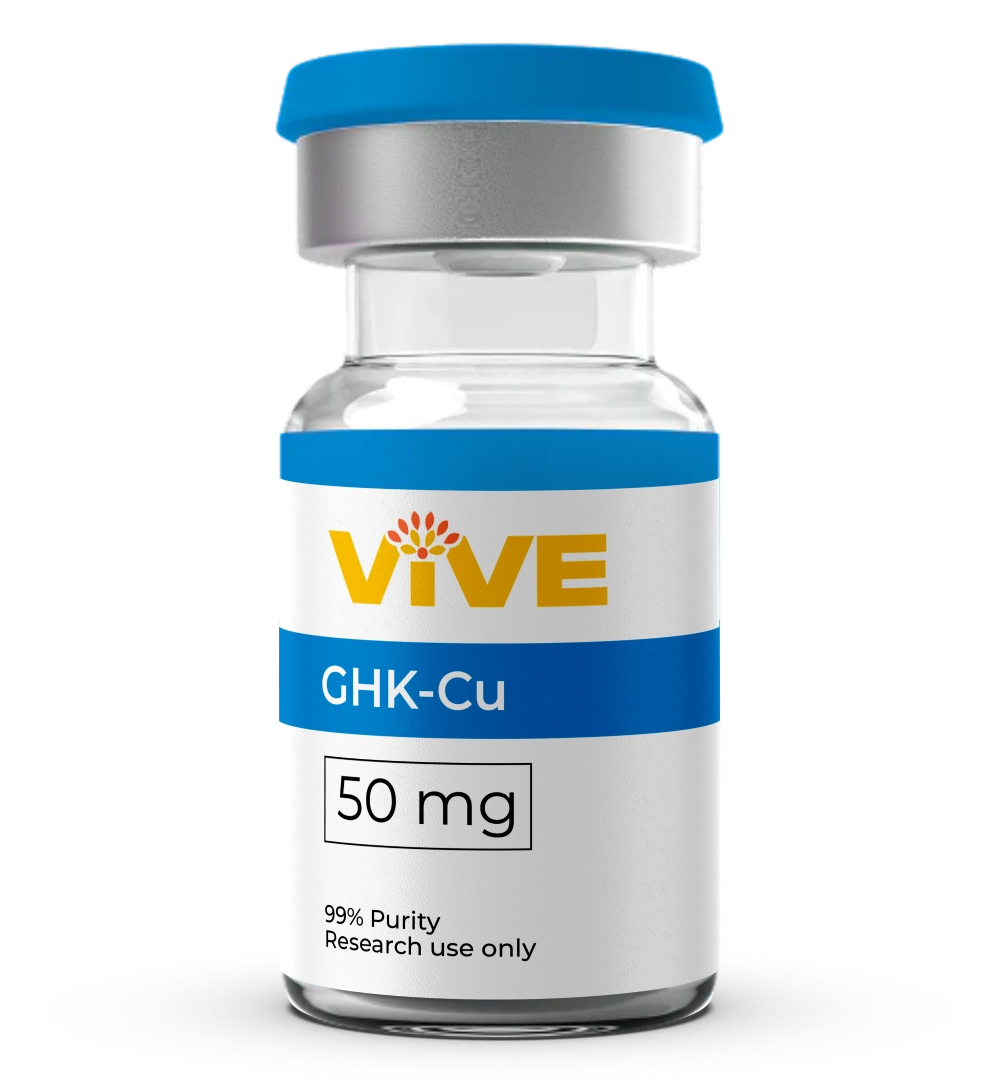
Lot affects measured content and impurity profile, and both influence assay readouts. HPLC purity reports the share of chromatographic peak area that belongs to the target molecule. It does not measure biological activity or net peptide content, since water and counterions also contribute vial mass. Researchers comparing lots therefore pair HPLC with mass spectrometry and read each certificate against the vial in hand. VivePeptides product pages carry a 99%+ Purity badge backed by HPLC and mass spectrometry testing, along with storage guidance for the lyophilized powder, and the full peptide library lets researchers review those details for each peptide.
How can researchers tell if a peptide has degraded?
Visual checks come first but prove little. Common signs include:
- A lyophilized cake that has collapsed, shrunk, turned yellow or looks wet.
- A solution that is cloudy, contains visible particles or has changed color.
- A precipitate that does not redissolve after gentle swirling, a typical sign of aggregation.
Many degradation products are invisible, so a clear solution can still be partly degraded. A peptide degradation test settles the question. Reverse-phase HPLC shows a shrinking main peak and new peaks, while mass spectrometry identifies degradation products by mass shift: methionine oxidation adds about 16 Da, and deamidation adds about 1 Da. Cleavage fragments appear as lower-mass species. Size-exclusion chromatography detects aggregates, and a pH check catches drift in a peptide solution. Comparing a stored sample against a fresh reference from the same lot separates storage effects from lot effects.
FAQ
Do peptides degrade over time?
Yes. Hydrolysis, deamidation, oxidation and aggregation continue slowly even in lyophilized form, and they accelerate sharply after reconstitution. Cold, dry, dark storage slows the pace but never stops it. Sequence also matters, since residues such as methionine, cysteine and asparagine create faster degradation pathways. Labeled storage conditions and retest dates give the practical limit for each lot.
What destroys peptides?
Heat, moisture, oxygen, light, extreme pH and microbial enzymes do most of the damage. Repeated freezing and thawing, vigorous shaking and long exposure at room temperature add physical stress. Contamination is the main risk for reconstituted solutions, because proteolytic enzymes cut chains quickly once microbes establish themselves.
Do peptides lose potency over time?
In research use, yes. As the intact fraction falls, assays can read lower activity or more variable results. Potency loss tracks the pathways described above, so a lot held cold and dry for a year can outperform a lot left at room temperature for a month. Analytical testing, not appearance, confirms the intact fraction and the level of degradation products.
Is HPLC purity the same as potency?
No. HPLC purity measures the share of the main chromatographic peak, while potency depends on net peptide content, intact structure and the assay itself. Water, counterions and degradation products that co-elute can shift the numbers. Researchers read purity alongside mass spectrometry and storage history before drawing conclusions about a lot.
Check the COA Before Judging a Vial
Storage history and lot data explain most differences between vials, and VivePeptides material is sold for research use only, so start with the COA reference page.
Research Use Only
All information in this article is intended for educational and research purposes only. VivePeptides products are not intended for human or veterinary use.