Research Article
Bulk Peptides: How Pricing Tiers Work

Bulk peptides are priced in tiers: as the number of vials or milligrams in a lot rises, the cost per unit usually falls, within limits each supplier sets. This guide explains how volume, lot size and documentation shape unit cost for wholesale research peptides, all sold for laboratory research only.
By VivePeptides Team
What Is Bulk Peptide Pricing and How Do Volume Tiers Work?
Bulk peptide pricing is a schedule that lowers the cost of each unit as an order grows. A supplier sets quantity bands, and each band carries its own unit cost. The size of each step, and the point where steps stop, differ from one supplier to the next.
Every product at VivePeptides is sold for research use only. These research peptides are not for human consumption, and the FDA has not evaluated them for any human use.
Is Buying Peptides in Bulk Cheaper Than Buying Single Vials?
Usually the cost per vial falls, while the total spend rises. Buying peptides in bulk spreads fixed work, such as testing, labeling and packing, across more units. The saving only counts if the lab uses the material within its storage window and if the documentation covers the full lot. A large order that sits unused, or that arrives without batch paperwork, costs more per usable milligram than a small order consumed on schedule.
How Does Lot Size Change the Unit Cost of Bulk Peptides?
A lot, also called a batch, is one synthesis run that shares a single set of analytical results. Testing is run per batch: one HPLC run (high-performance liquid chromatography, the method that reports purity) plus a mass spectrometry check (which confirms molecular weight) covers every vial in it.
| Cost driver | What moves it | Effect as lot size grows | |---|---|---| | Synthesis and purification setup | Fixed work per run | Spread over more vials, so cost per vial usually falls | | Analytical testing | One HPLC and mass spectrometry run covers a batch | Testing cost per vial falls | | Milligrams per vial | More raw material in each vial | Cost per vial rises, cost per mg often falls | | Packing and labeling | Done once per run | Falls slightly per vial |
Two caveats apply. Vial size changes the comparison: when the same peptide is offered in more than one vial size, only cost per mg puts them on equal footing. And a tier built on lot size works only when the vials come from the same batch, since certificates of analysis are issued per batch.
Does a Larger Lot Size Mean a Longer Wait Before an Order Ships?
Sometimes. A made-to-order lot adds synthesis, purification and testing before anything leaves the building, so lead time grows with lot size whenever the quantity is not in stock. Buyers should ask whether the quantity is in stock or made to order and get the lead time in writing. VivePeptides is a US-based supplier, and its shipping is described as fast, discreet and securely packaged.
How Does Peptide Wholesale USA Ordering Work, and What Are the Minimums?
Wholesale ordering in the United States usually means a business or institutional buyer asks a supplier for terms on a larger quantity, and the supplier answers with a quote. Terms depend on the compounds, the milligrams per vial, the quantity and the delivery location. VivePeptides publishes no wholesale price tiers, minimum order quantities or volume discounts, and buyers send terms questions through the wholesale form. Check the checkout page for the payment methods accepted before you plan an order.
What Is the Minimum Order Quantity for Bulk Peptides?
A minimum order quantity (MOQ) is the smallest order a supplier accepts at a given tier. Because VivePeptides lists no published minimum, a lab learns whether a quantity qualifies for volume handling by asking. Any MOQ quoted by another source should be confirmed with that source.
Can an Individual Researcher Qualify for Volume Tier Discounts?
Eligibility rules belong to each supplier. Some reserve tier terms for registered businesses or institutions, while others quote any buyer who states a compound, a quantity and a laboratory research use. A researcher asking for terms should supply the compound, the size of each vial and the quantity.

What to Verify Before Ordering Bulk Peptides
For bulk peptides, a bigger order raises the cost of a documentation gap, because one flawed batch sits behind every vial in it. None of this material is for human consumption.
What Should Be Checked on a COA Before a Large Order?
A COA, short for certificate of analysis, is a laboratory report tied to one batch. A COA from an earlier batch says nothing about the vials in a new shipment. A large order should be matched against these items:
- A batch or lot number that matches the vial label
- An HPLC chromatogram (the printed purity trace), not only a round purity figure
- A mass spectrometry result confirming molecular weight
- A test date and the name of the testing laboratory
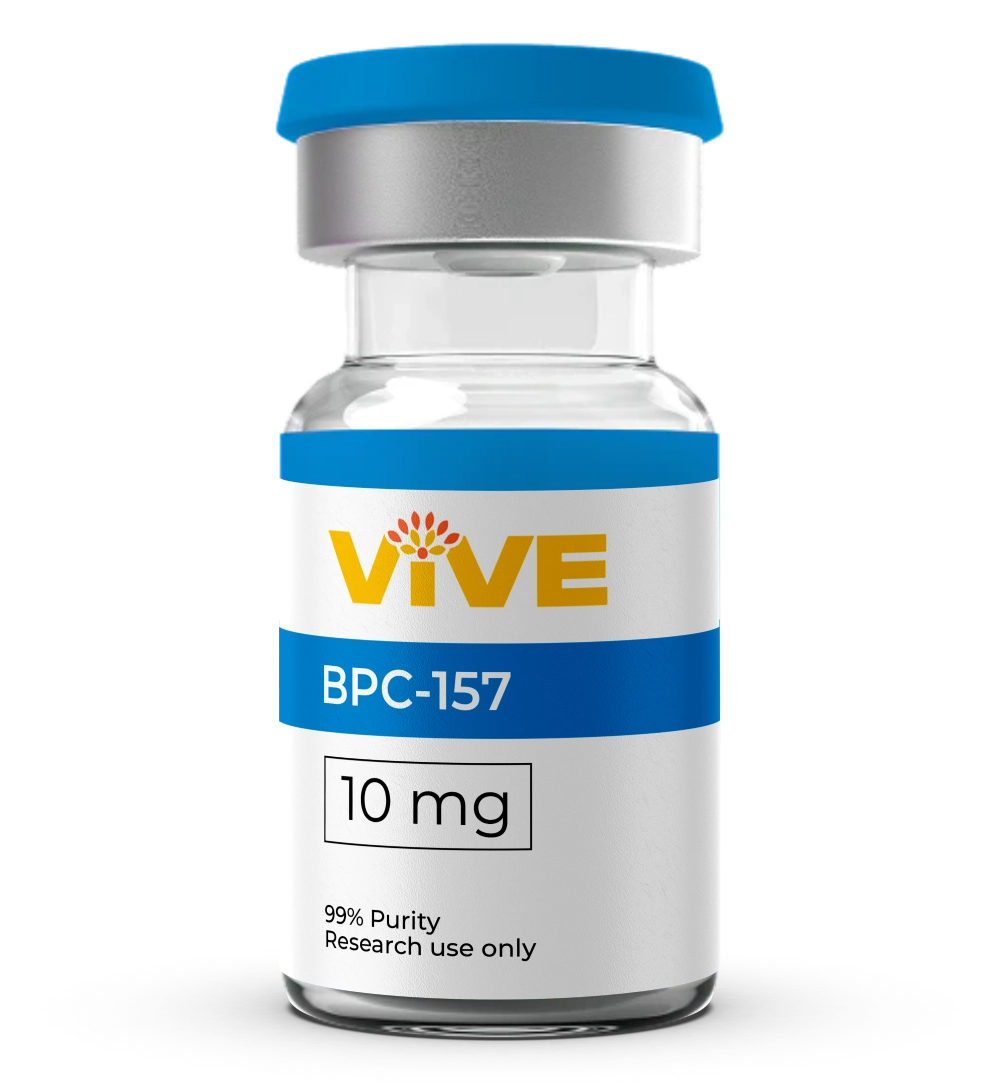
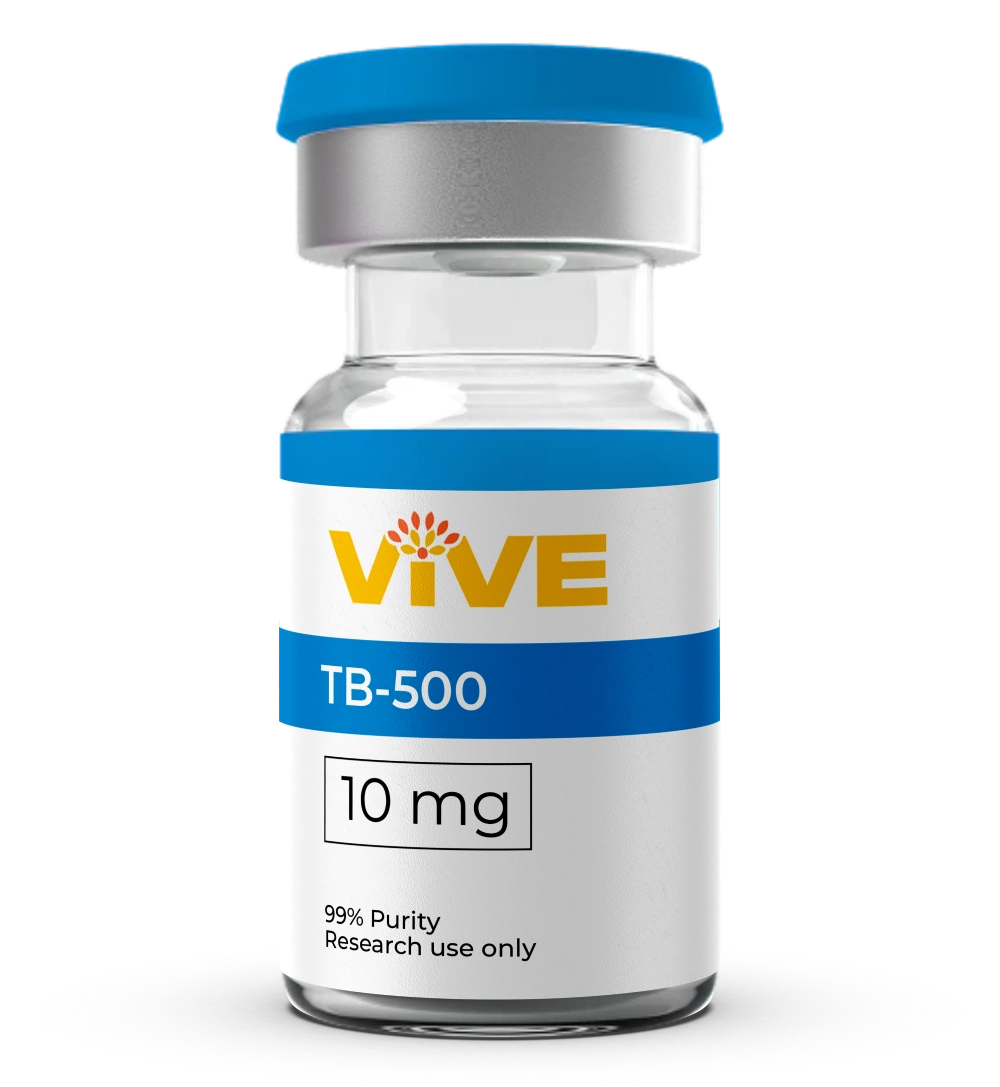
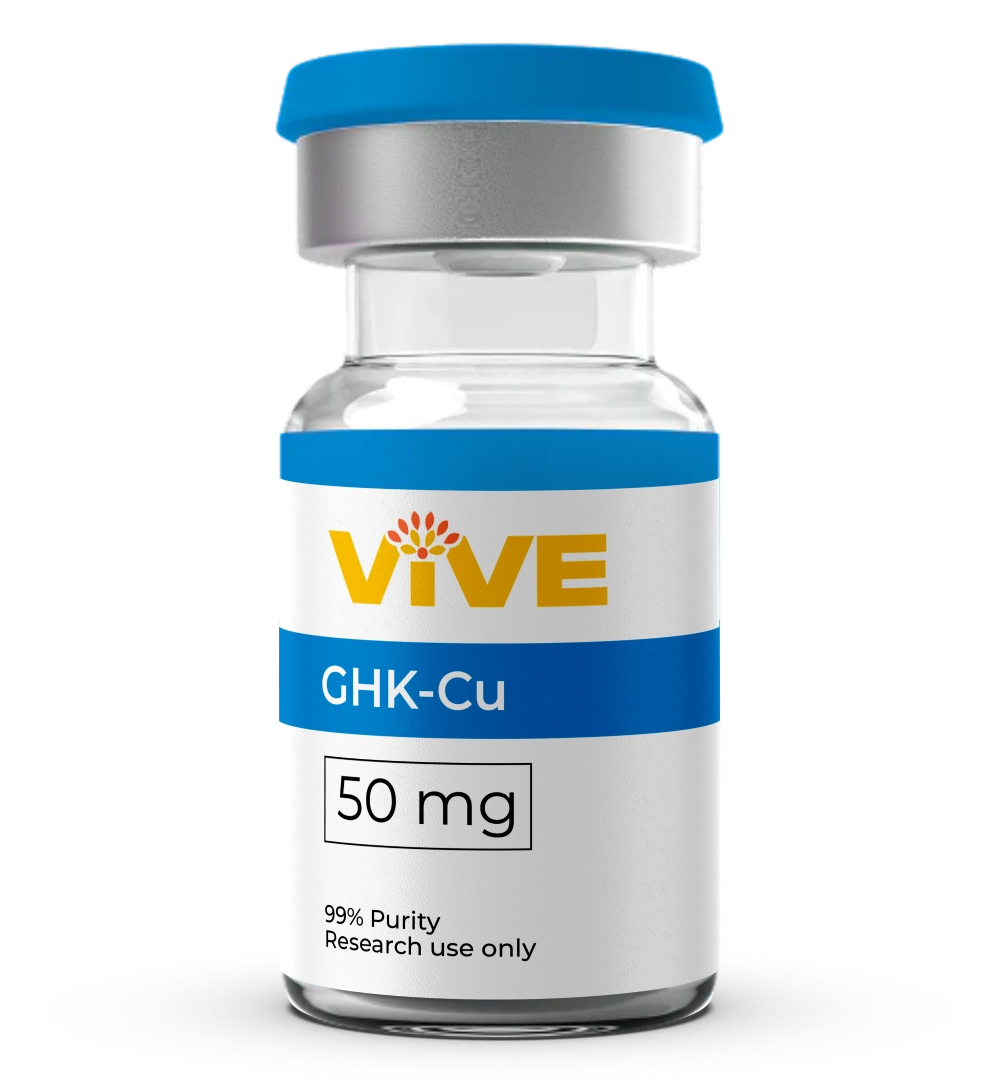
VivePeptides product pages carry a technical profile listing storage conditions and the lyophilized powder form, along with a 99%+ Purity badge. The product page shows a 99%+ Purity badge and a USA Made origin badge, states that the product is for research use only, and the site describes third-party testing in USA labs.
Are Bulk Peptides the Same Purity as Small-Lot Vials?
Purity belongs to a batch, not to an order size. A 99% HPLC result on a small lot and on a large lot is the same specification if each batch report shows it. Scaling up a synthesis can change the impurity profile, so the batch report for the exact lot being shipped matters more as volume grows.
How Should Bulk Peptides Be Stored to Stay Stable?
Freeze-dried peptide powder is generally kept cold, dry and away from light, and the storage line on each compound's spec block gives the condition to follow. A lot too large for the cold storage a laboratory has is a hidden cost, because it can lose usable life before it is consumed. Laboratories that have settled these criteria can match them against the research-grade peptide catalog, where each of the 25+ SKUs lists its spec block, then raise volume questions with VivePeptides directly.
How to Compare Unit Cost and Avoid Common Buying Mistakes
How to Compare Unit Cost Across Suppliers When Ordering Bulk Peptides
Where to buy peptides in bulk is decided by which suppliers can document a batch and quote a lot, so documentation is compared first and price second. To compare quotes, divide landed cost (the order total plus shipping and handling fees) by the total verified milligrams in the lot. That one figure compares suppliers fairly only when four things match:
- Same molecule. A name can hide different materials. CJC-1295 with DAC and CJC-1295 no DAC are different structures, so a listing that omits the DAC designation cannot be compared.
- Same size per vial. A price per vial for a 5 mg vial and for a 10 mg vial cannot be compared directly.
- Same purity on the batch COA. A cheaper milligram at lower measured purity is not cheaper.
- Same blend ratio. A blend lists total milligrams across its components, so the cost of one component depends on the ratio inside the blend.
Red Flags in Large Orders
- No batch number on the COA or the vial label
- A price per vial with no milligrams per vial stated
- Grade language with nothing attached. Terms such as pharmaceutical grade or cosmetics grade describe an intended use, not a tested result, and research chemicals are not FDA-approved products.
- Listings that describe human consumption, dosing or results, which is a compliance problem for any research use only material
- A low headline number with no lead time or landed cost, since the lowest listed figure is rarely the cheapest verified milligram
Matching Order Size to Buyer Situations
| Buyer situation | Approach that fits | What to ask the supplier | |---|---|---| | Small lab, one short study | A few vials from one batch | Batch COA and the per vial and per mg figures | | Long metabolic research study on one compound | One larger lot from a single batch | Lot size, storage line and lead time | | Core facility buying for several programs | One quote across multiple compounds | Whether each compound ships with its own batch documentation | | Laboratory validating a new supplier | A small first order before any large commitment | COA first, then in-house confirmation |
Independent laboratories with limited storage usually gain more from a second small order than from one oversized lot.
Request Terms on a Larger Peptide Order
Labs that need a larger quantity of a catalog compound can start by sending the compound, the size of each vial and the quantity through the wholesale contact form.
Research Use Only
All information in this article is intended for educational and research purposes only. VivePeptides products are not intended for human or veterinary use.