Research Article
What Makes a Peptide Research Grade? Quality Standards

Understanding what makes a peptide research grade comes down to three analytical benchmarks: purity by HPLC (typically 98% or higher), confirmed molecular identity via mass spectrometry, and a traceable certificate of analysis. These standards separate compounds appropriate for rigorous experimental protocols from lower-quality material. Researchers can review the research-grade peptide catalog to compare purity documentation across VivePeptides compounds.
By Vive Team
What Makes a Peptide Research Grade: Core Quality Criteria
Research-grade peptides must satisfy three non-negotiable benchmarks before any experimental data derived from them can be considered reliable: verified sequence integrity, documented chemical purity, and confirmed molecular identity. The criteria that define what makes a peptide research grade apply equally whether the compound is used in a cell-based assay, an animal model, or a purely analytical laboratory study.
Sequence integrity means every amino acid in the chain occupies the precise position dictated by the synthesis specification. A single substitution or deletion alters the compound's binding profile and may invalidate an entire study. Purity, reported as a percentage from HPLC analysis, reflects how much of the dissolved material is the target compound versus truncated sequences, deletion fragments, or residual synthesis reagents. Molecular identity is confirmed by mass spectrometry, which measures the mass-to-charge ratio of ionized fragments to verify the correct molecular formula.
For research use in cell-based assays or in vivo animal models, the accepted minimum purity is typically 95%. Many laboratory protocols specify 98% or higher to avoid confounding effects from synthesis byproducts on specific applications. Any supplier unable to provide independent analytical documentation for these standards is not offering research-grade material, regardless of how the information on the product page is presented.
Peptide Synthesis Standards and Raw Material Controls
Peptide synthesis for research applications relies almost universally on solid-phase peptide synthesis (SPPS). In this method, amino acids are coupled sequentially to a resin-bound chain under controlled conditions. The quality of the final compound depends as much on the amino acid building blocks and coupling reagents as on the synthesis protocol itself.
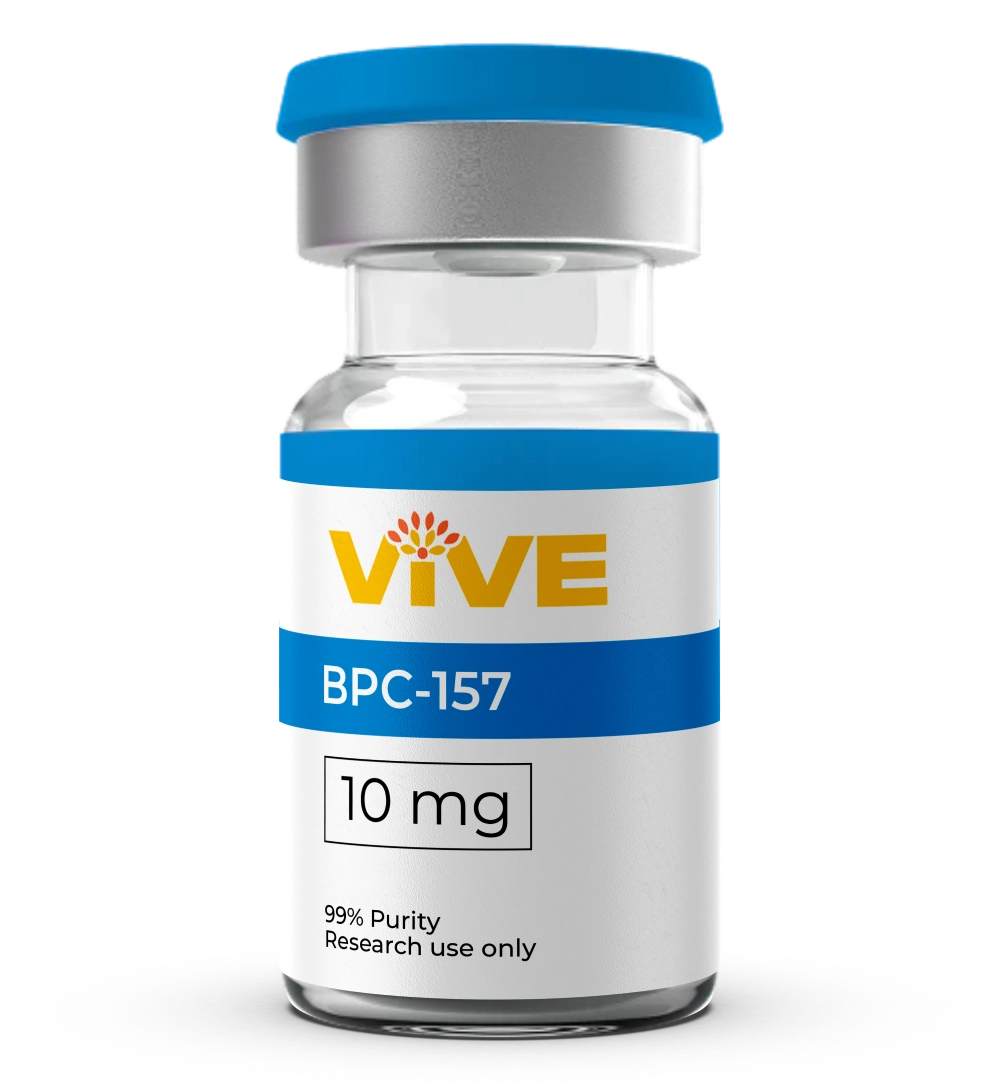
A key risk during synthesis is epimerization, in which an L-amino acid converts to its D-form. This structural change can escape standard mass spectrometry detection while significantly altering the biological activity of the compound. Reputable manufacturers document racemization controls at each coupling step as part of their quality standards. Researchers reviewing BPC-157 product overview or other structurally complex peptides should request synthesis batch records alongside the analytical certificate.
Protecting group strategy, coupling efficiency monitoring, and resin selection all factor into whether a peptide synthesis run produces material that qualifies as research-grade. A batch with 98% coupling efficiency at each step still accumulates truncation impurities over a long amino acid chain, which is why final HPLC analysis is mandatory regardless of in-process controls.
HPLC and Mass Spectrometry: The Analytical Backbone
High-performance liquid chromatography (HPLC) is the primary tool for peptide quality analysis. In reverse-phase HPLC, the compound mixture is loaded onto a column and eluted with a solvent gradient. Each component separates by hydrophobicity, producing a chromatogram where the main peak area represents the target peptide and all other peaks represent impurities. Purity percentage is the main peak area divided by total peak area.
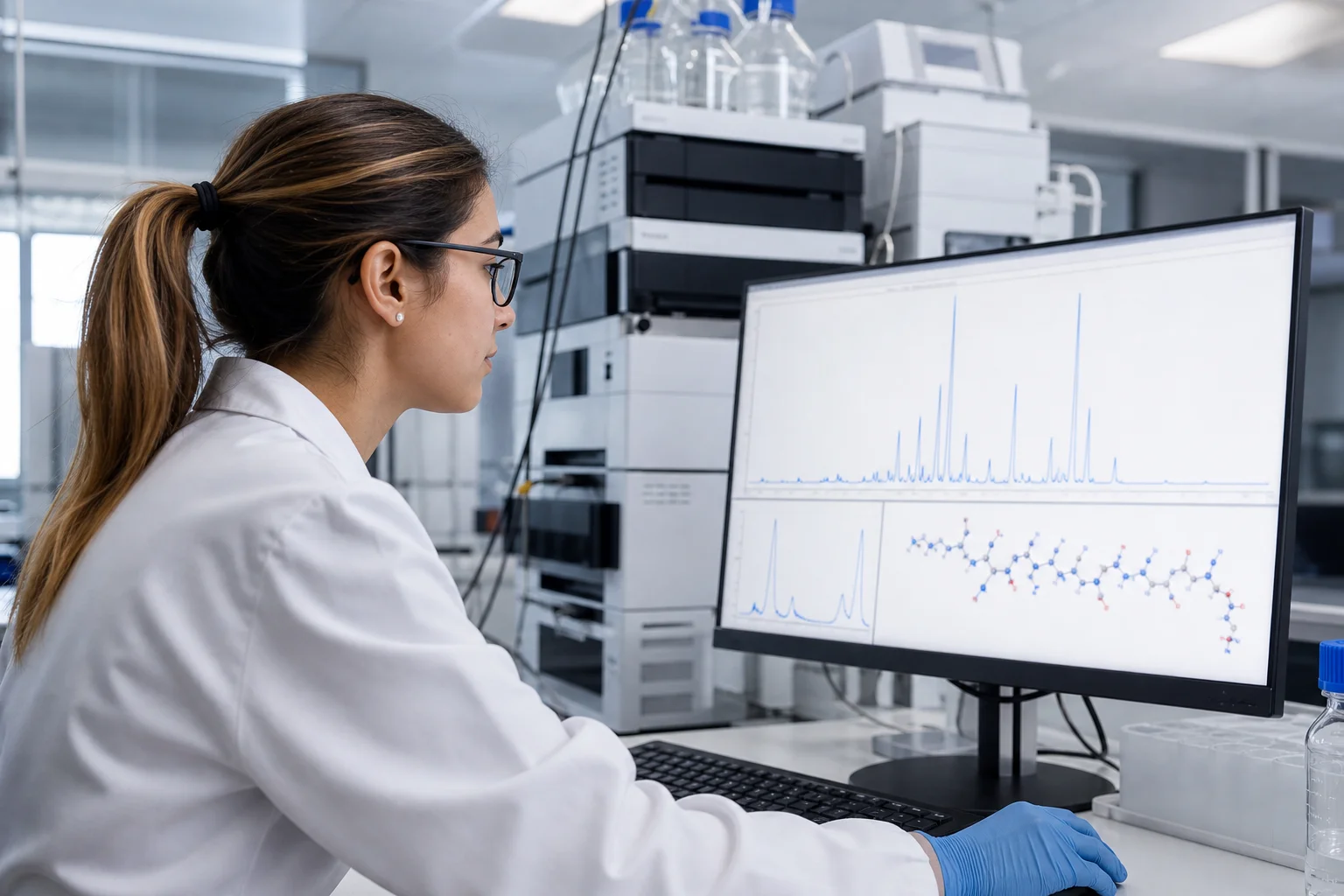
HPLC mass spectrometry (HPLC-MS) extends this analysis by coupling the separation column to a mass spectrometer. After HPLC separates the mixture, the mass spectrometer ionizes each fraction and records the mass-to-charge ratio. Comparing the observed mass against the theoretical molecular weight confirms peptide identity. This combination of hplc mass analysis and mass spectrometry verification is the accepted standard for full characterization in any research context.
Researcher Victor J. Hruby, in studies published in the Journal of Medicinal Chemistry (2002), demonstrated that minor structural variations in synthetic peptide analogs produce measurable changes in receptor selectivity, underscoring why mass spectrometry confirmation is not optional in rigorous experimental design.
For a practical guide to evaluating these test results in supplier documentation, see How to Verify Peptide Quality: 5 Tests Every Researcher Should Demand.
Stability, Storage, and Handling Protocols
Stability is a defining component of peptide quality that is frequently underweighted in purchasing decisions. Even a compound that passes all synthesis and analytical testing standards can degrade rapidly if improperly handled. The three primary degradation pathways are oxidation (particularly affecting methionine and cysteine residues), hydrolysis of peptide bonds in aqueous solution, and aggregation in high-concentration preparations.
Lyophilized (freeze-dried) powder offers substantially greater stability than reconstituted solution. Most research-grade peptides require storage at -20°C or below in lyophilized form. Reconstitution with sterile bacteriostatic water should be performed immediately before use at the volume and concentration specified by the experimental protocol. Repeated freeze-thaw cycles degrade peptide quality regardless of initial purity.
Stability documentation should accompany any compound with known environmental sensitivity, forming part of the complete peptide quality standards a supplier should provide. For real-world retesting data across a compound library, see the VivePeptides 2026 Purity Benchmark Report: HPLC Results Across 25 Compounds. Researchers combining peptides in a single protocol should also review the Best Peptide Stacks for Research research breakdown for notes on stability interactions and reconstitution approaches.
Reading a Certificate of Analysis
A certificate of analysis (CoA) connects the analytical laboratory's testing to the compound a researcher receives. A complete CoA for research-grade material includes:
- Peptide name and full sequence in amino acid notation
- Molecular formula and molecular weight
- HPLC purity percentage with accompanying chromatogram
- Mass spectrometry result showing observed versus theoretical mass
- Lot or batch number for traceability
- Identity of the testing laboratory (independent third-party preferred)
- Endotoxin test result (LAL assay) for compounds intended for in vivo applications
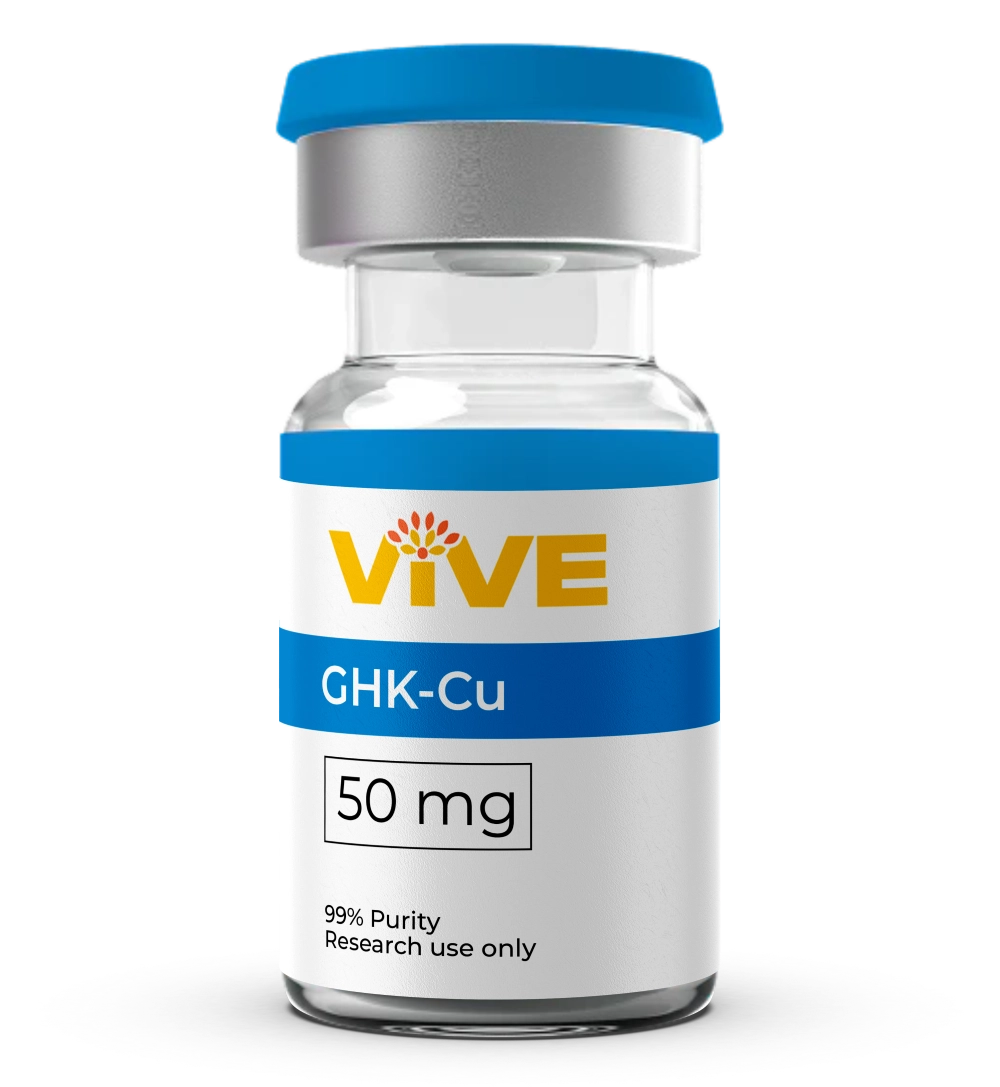
CoAs issued by independent third-party laboratories carry more evidentiary weight than self-reported results. When evaluating a supplier, confirm that the CoA names a specific external testing facility and includes raw chromatogram data, not only a summary purity number. For a comparison of how purity standards apply across different research applications, see our deep dive on BPC-157 vs GHK-Cu.
Frequently Asked Questions
What purity level is required for research-grade peptides?
Research-grade peptides are generally expected to reach a minimum of 95% purity by HPLC, with 98% or higher required for sensitive cell-based assays and human biology in vitro studies. The specific threshold should align with the published protocol being replicated. Suppliers should provide the full HPLC chromatogram, not only a reported percentage, so the researcher can verify the data directly.
How does HPLC mass spectrometry confirm peptide identity?
HPLC first separates the sample by hydrophobicity. The mass spectrometer then ionizes the separated peptide fraction and records its mass-to-charge ratio. The observed molecular mass is compared against the theoretical mass calculated from the target amino acid sequence. A match between observed and theoretical values, combined with the HPLC purity result, constitutes full analytical characterization for research use.
Why does the peptide synthesis method affect final quality?
Solid-phase peptide synthesis introduces risks including truncation, deletion sequences, and racemization of amino acids during chain assembly. Each coupling step carries a small probability of incomplete reaction, and these probabilities compound over a long chain. Both in-process controls and final HPLC analysis are necessary to confirm that the product meets research-grade purity specifications.
Can a research-grade compound degrade after testing?
Yes. The CoA documents peptide quality at the time of laboratory analysis. Improper storage, including repeated freeze-thaw cycles, humidity exposure, or ambient temperature handling, can degrade an otherwise confirmed research-grade compound. Maintaining cold-chain integrity through delivery and laboratory handling preserves the purity level documented in the original analysis.
Is endotoxin testing required for research use?
Endotoxin testing using the limulus amebocyte lysate (LAL) assay is required for any compound used in in vivo animal research. Bacterial endotoxins trigger inflammatory responses in animal models, confounding experimental results. For purely in vitro or cell-free applications, endotoxin levels are still worth confirming, as lipopolysaccharides interfere with certain cell-signaling assays.
Source Research-Grade Compounds With Documented Purity
Quality standards in peptide research are not administrative formalities: they are the foundation of reproducible data. Review the full peptide library at VivePeptides, where every compound is accompanied by HPLC chromatograms, mass spectrometry confirmation, and third-party CoA documentation.
Research Use Only
All information in this article is intended for educational and research purposes only. VivePeptides products are not intended for human or veterinary use.