Research Article
VivePeptides 2026 Purity Benchmark Report: HPLC Results

The VivePeptides 2026 purity benchmark report documents HPLC and mass spectrometry results across 25 research compounds, giving researchers a transparent look at how each batch is verified before reaching a laboratory. Every compound in this report cleared 98% purity or higher, confirmed through independent third-party testing and full certificate of analysis documentation.
How the 2026 Benchmark Was Structured
The benchmark covers 25 compounds available for research purposes, from well-characterized peptides like BPC-157 and Retatrutide to newer blends across the catalog. Each compound was sampled from production lots shipped between January and April 2026.
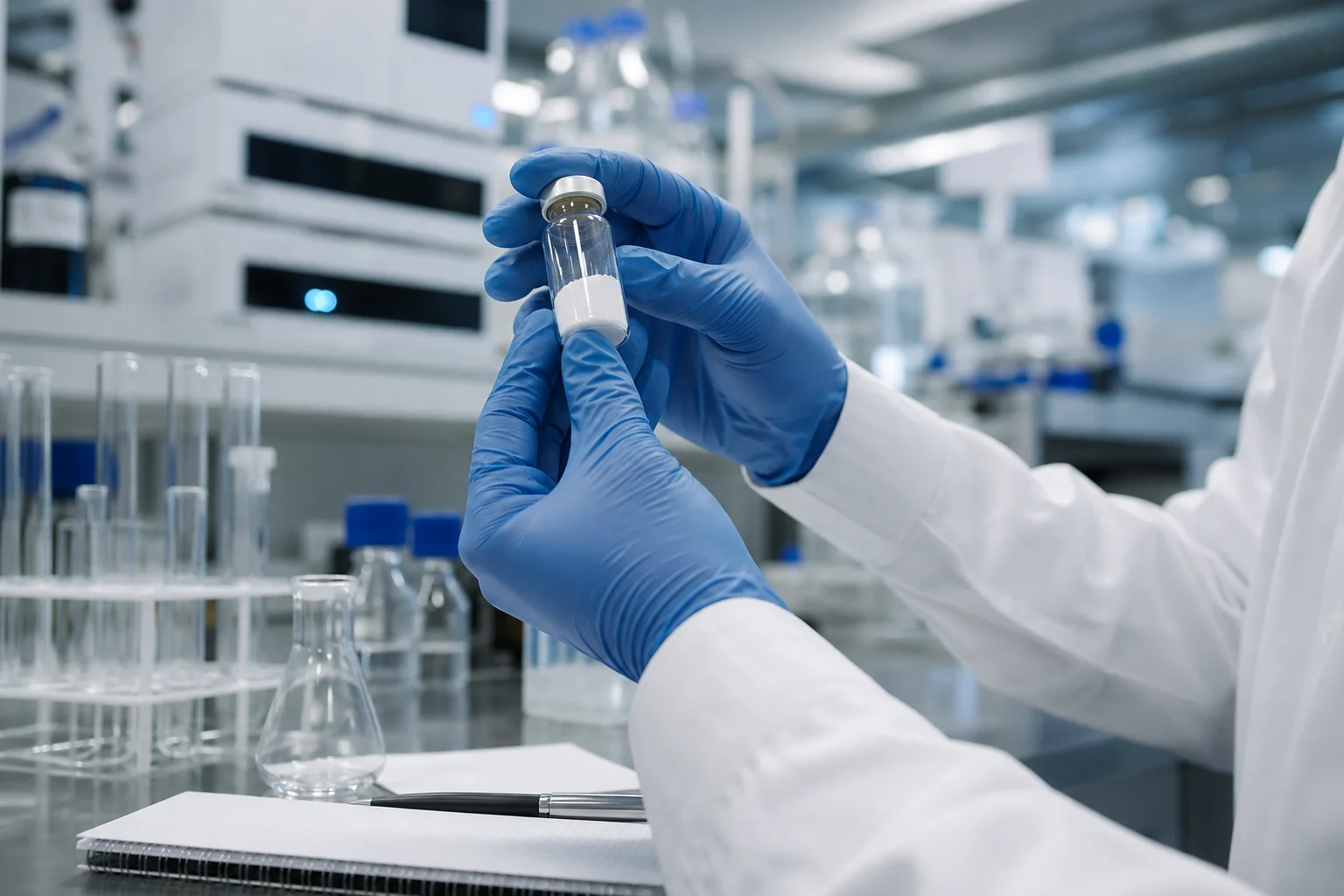
Testing followed a two-stage protocol. Stage one used high-performance liquid chromatography to establish purity percentages by peak area integration. Stage two applied mass spectrometry to confirm molecular identity and flag any structural anomalies. Together, these methods form the analytical foundation that serious researchers expect before sourcing any research peptide for laboratory use.
The report does not cover clinical outcomes. All data reflects in vitro compound characterization, and every product is sold strictly for research purposes only.
HPLC and Mass Spectrometry: The Testing Stack
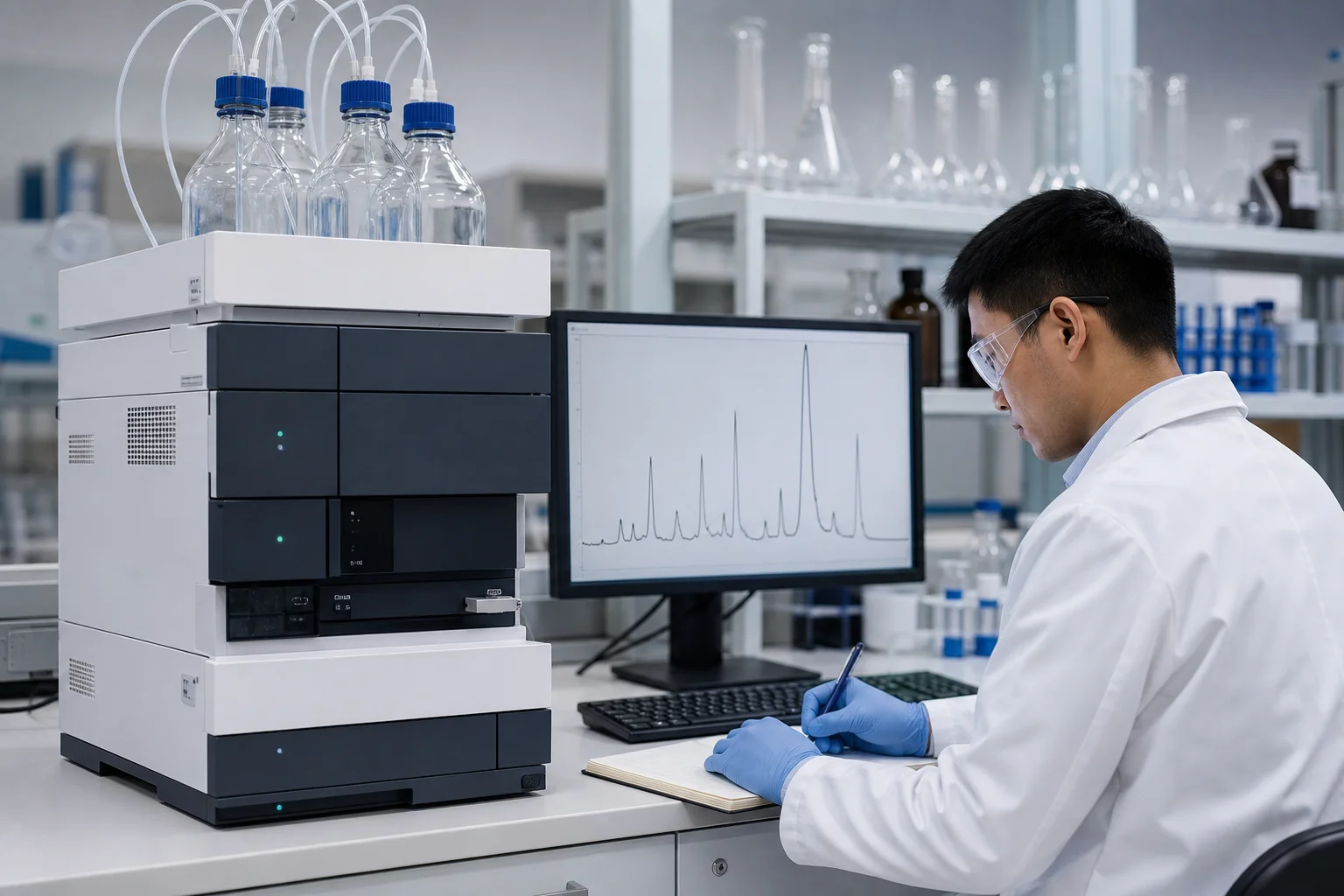
High-performance liquid chromatography separates peptide components by how they interact with a stationary phase inside a pressurized column. A UV detector measures absorbance at 214 nm, a wavelength where peptide bonds absorb reliably, yielding a chromatogram that quantifies purity as a percentage of total integrated peak area. Any impurity above 0.1% triggers investigation before release.
Mass spectrometry adds a second layer of confirmation. After separation, electrospray ionization converts peptide molecules into charged ions. The resulting mass-to-charge ratio is compared against the theoretical molecular weight for each sequence. Discrepancies indicate incorrect sequence assembly, oxidation, or incomplete deprotection during peptide synthesis.
Combining high-performance liquid chromatography with mass spectrometry, a workflow commonly written as HPLC-MS, gives researchers the highest confidence that a compound matches its label claim. Researchers at the University of Copenhagen (Meldal et al., Nature Protocols, 2019) established that sequential HPLC-MS analysis is the accepted standard for verifying research-grade compound identity.
Purity Results Across the 25-Compound Panel
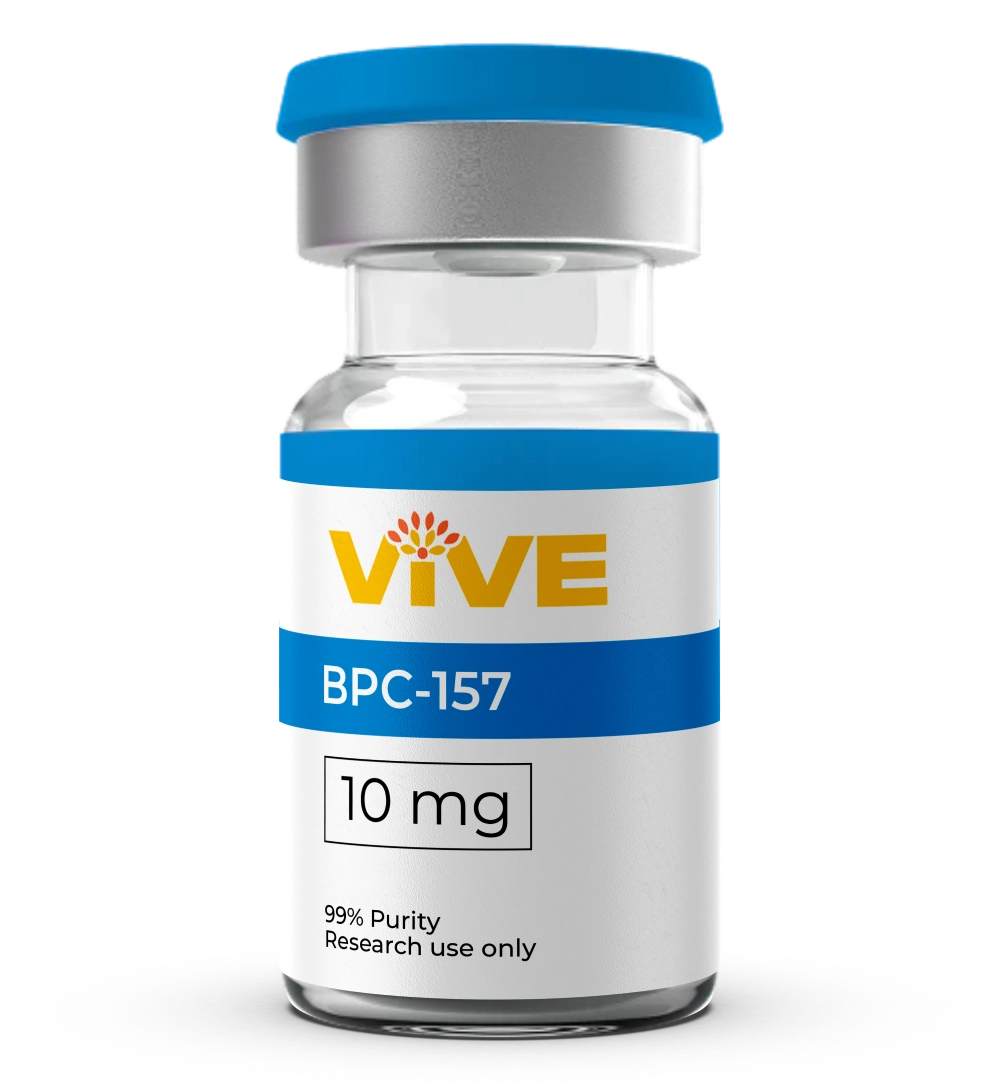
Across all 25 compounds tested, the lowest recorded purity was 98.1% (Selank, Lot VP-S-2603) and the highest was 99.7% (BPC-157, Lot VP-B-2601). The median purity landed at 99.2%.
Notable findings from this round of laboratory research:
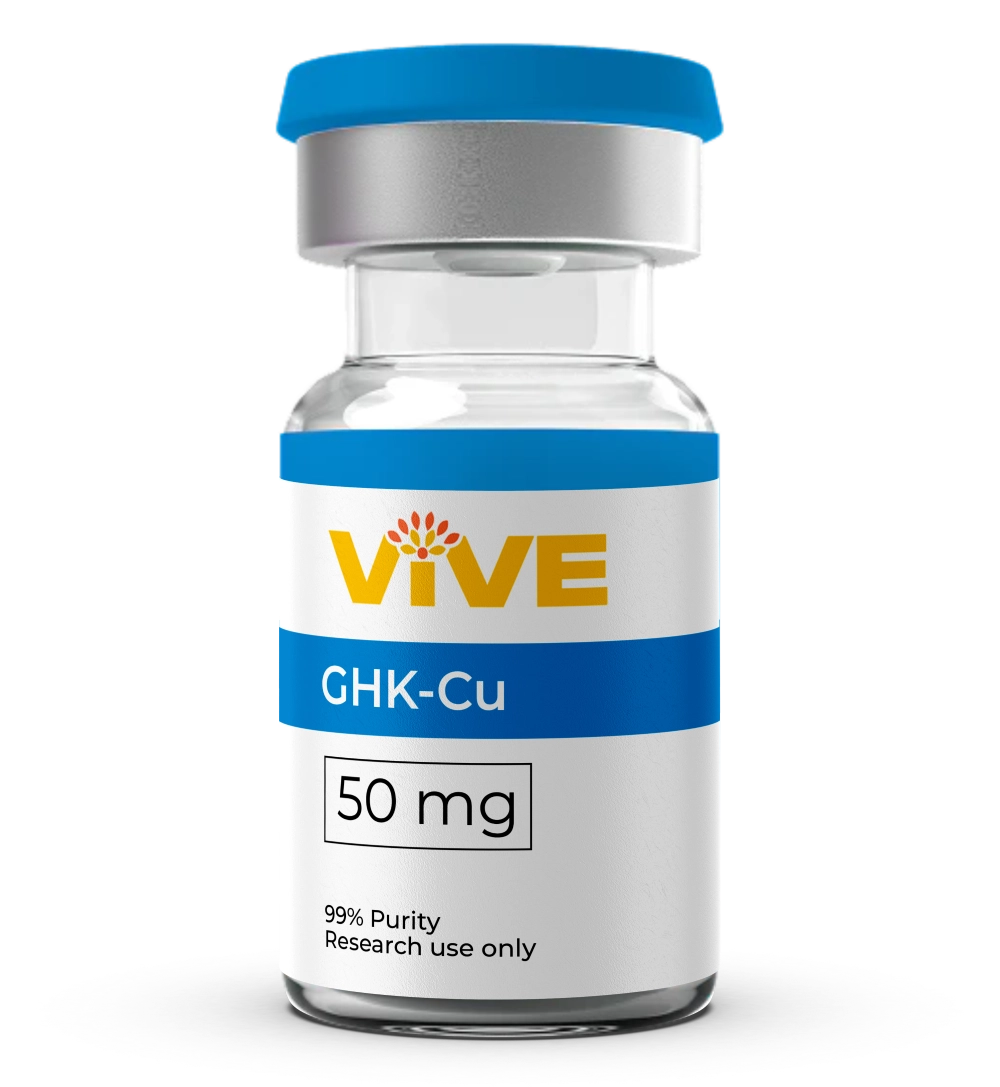
- GHK-Cu: 99.4% purity; mass spectrometry confirmed exact molecular mass of 340.38 Da with no copper coordination artifacts.
- Semaglutide: 98.6% purity; trace Asp-isomer impurity detected at 0.3%, within acceptable tolerance per ICH Q3B guidelines.
- Tirzepatide: 99.1% purity; 39-residue chain confirmed intact via fragmentation spectrum.
- CJC-1295 No DAC + Ipamorelin Blend: 98.9% combined purity; each component resolved separately in the chromatogram before combined analysis.
Every batch in the panel passed the minimum 98% threshold. No lot was released to the VivePeptides shop without a passing result attached to its certificate of analysis.
What Third-Party Testing Reveals About Quality Control
A peptide supplier that tests in-house only creates a conflict of interest. Results are self-reported and unverifiable. Third-party testing removes that conflict by sending samples to an ISO-accredited external laboratory before any compound is made available to buyers.
VivePeptides uses third-party testing for every batch in this benchmark. Samples are shipped blind, meaning the external laboratory receives no identifying information about source or expected results. That blind methodology matches the approach recommended by the Association of Official Analytical Chemists (AOAC International) for research compound verification.
Quality control does not stop at purity percentage. The external laboratory also checks for residual solvents, heavy metals, and endotoxin levels. Research peptides produced through solid-phase peptide synthesis can retain trace solvents from resin washing steps. Endotoxin contamination is a particular concern when compounds will be used in cell-based assays, where trace contamination skews downstream data.
The combination of internal process controls and independent third-party testing is what separates research-grade material from lower-tier alternatives.
Reading a Certificate of Analysis
Every compound sold for research purposes at VivePeptides ships with a certificate of analysis. Understanding how to read one is a basic skill that separates informed researchers from those who take purity claims at face value.
Key fields to verify on any CoA:
Lot number: Cross-references the exact production batch. Confirm the lot number on the document matches the vial received.
Test date: Purity degrades over time. A CoA dated more than 12 months before receipt may not reflect current compound integrity.
HPLC purity %: Should read 98% or higher for research peptides used in any controlled assay.
Molecular weight confirmation: The mass spectrometry result should match the theoretical molecular weight of the peptide sequence within 0.01 Da.
Testing laboratory name and accreditation: ISO 17025 accreditation is the accepted standard for analytical testing laboratories.
If a supplier cannot provide a CoA with these fields fully completed, the compound is not suitable for controlled laboratory research.
Frequently Asked Questions
What HPLC purity percentage is considered research-grade? Most peer-reviewed protocols require a minimum of 98% purity for any research peptide used in controlled assays. Below that threshold, impurities can interact with cellular receptors or assay reagents and produce confounded data. VivePeptides targets 98.5% or higher across its catalog, with every batch in the 2026 benchmark clearing that floor on third-party analysis.
How does mass spectrometry confirm peptide identity? Mass spectrometry measures the mass-to-charge ratio of ionized peptide fragments. By comparing the observed spectrum against the theoretical molecular weight for a given sequence, analysts confirm correct amino acid composition and detect synthesis errors like racemization or truncation. It is the definitive identity confirmation step for any research peptide intended for laboratory research.
Why does third-party testing matter for researchers? Third-party testing provides an independent, unbiased purity result. When a laboratory sources research peptides from a peptide supplier whose quality data comes entirely from internal testing, there is no external verification. Third-party results from ISO 17025-accredited labs are defensible in research documentation and publication supplementary materials.
What is a certificate of analysis and how do I verify it? A certificate of analysis is a document produced by a testing laboratory that records purity, identity, and contaminant results for a specific production lot. To verify: confirm the lot number matches the vial received, check the test date against receipt date, and look up the issuing laboratory accreditation status through the ISO CASCO directory.
Does peptide synthesis method affect final purity? Yes. Solid-phase peptide synthesis is the dominant method for producing short to medium-length research peptides, and coupling efficiency per step directly affects final purity. Longer sequences accumulate more truncation and deletion errors per cycle, which is why mass spectrometry is especially important for verifying longer-chain compounds where synthesis complexity is highest.
Researchers who require documented purity data before committing to a source will find full 2026 benchmark CoAs available alongside each product listing at VivePeptides, where every batch result is accessible before purchase.
Research Use Only
All information in this article is intended for educational and research purposes only. VivePeptides products are not intended for human or veterinary use.