
Research Use Only
Peptides for Women
A research selection of peptides studied across dermal, metabolic, and cellular-energy pathways often of interest in female-focused research.
Peptides for Women are research compounds studied for their roles in cellular signaling pathways relevant to skin biology, metabolic regulation, neuromodulation, and tissue repair. This category encompasses GLP-1 receptor agonists, copper-chelating tripeptides, SNARE complex modulators, multi-peptide regenerative blends, and NAD+ coenzyme activity, each investigated under research-use-only conditions in preclinical laboratory models.
Reviewed by the VivePeptides Research DeskLast reviewed
Research Catalog
Compounds in this collection
Research Overview
What the Peptides for Women Research Category Encompasses
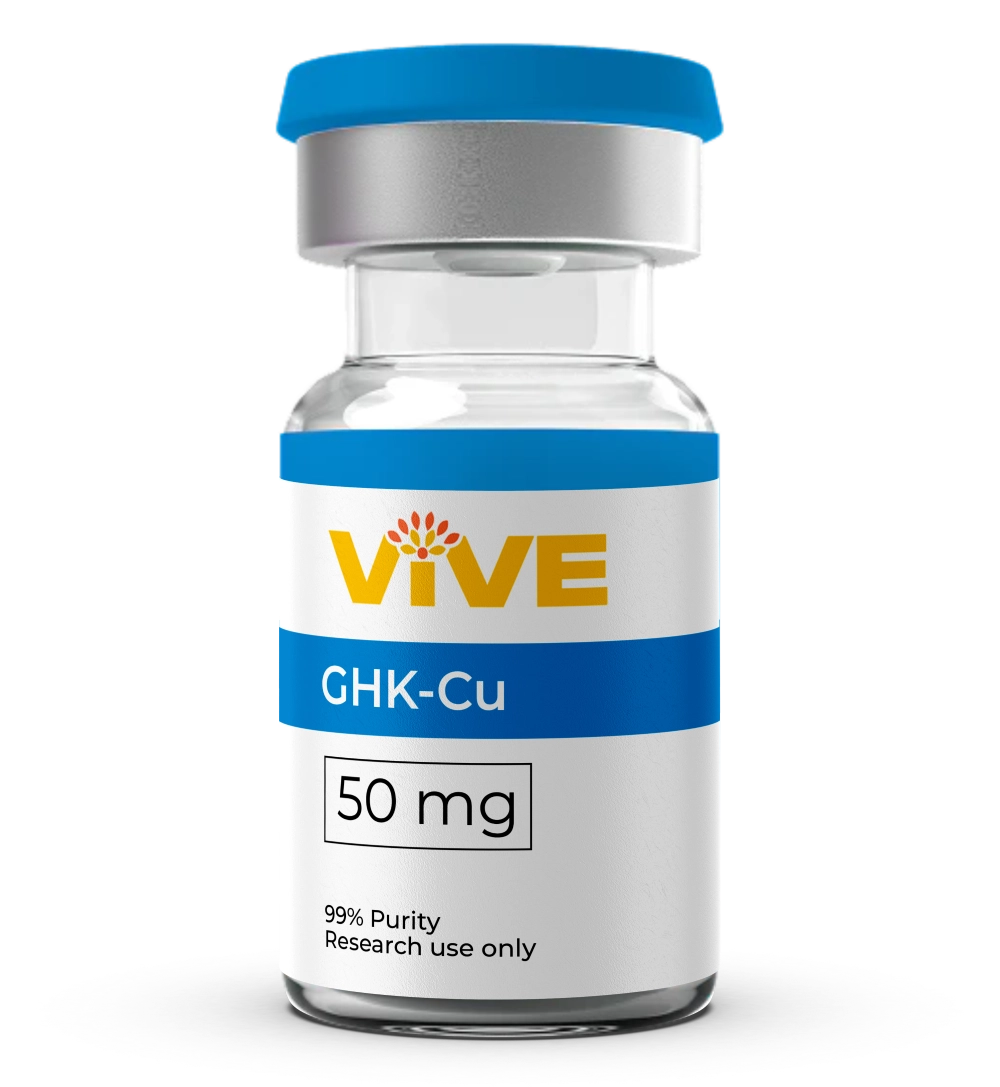
The Peptides for Women research category encompasses compounds studied across skin biology, metabolic signaling, neuromodulation, and cellular energy pathways. Researchers have shown increasing interest in this area because these mechanism classes intersect with biological processes well-characterized in female-relevant preclinical models. GHK-Cu is a copper-chelating tripeptide investigated for collagen synthesis modulation and antioxidant gene expression regulation.
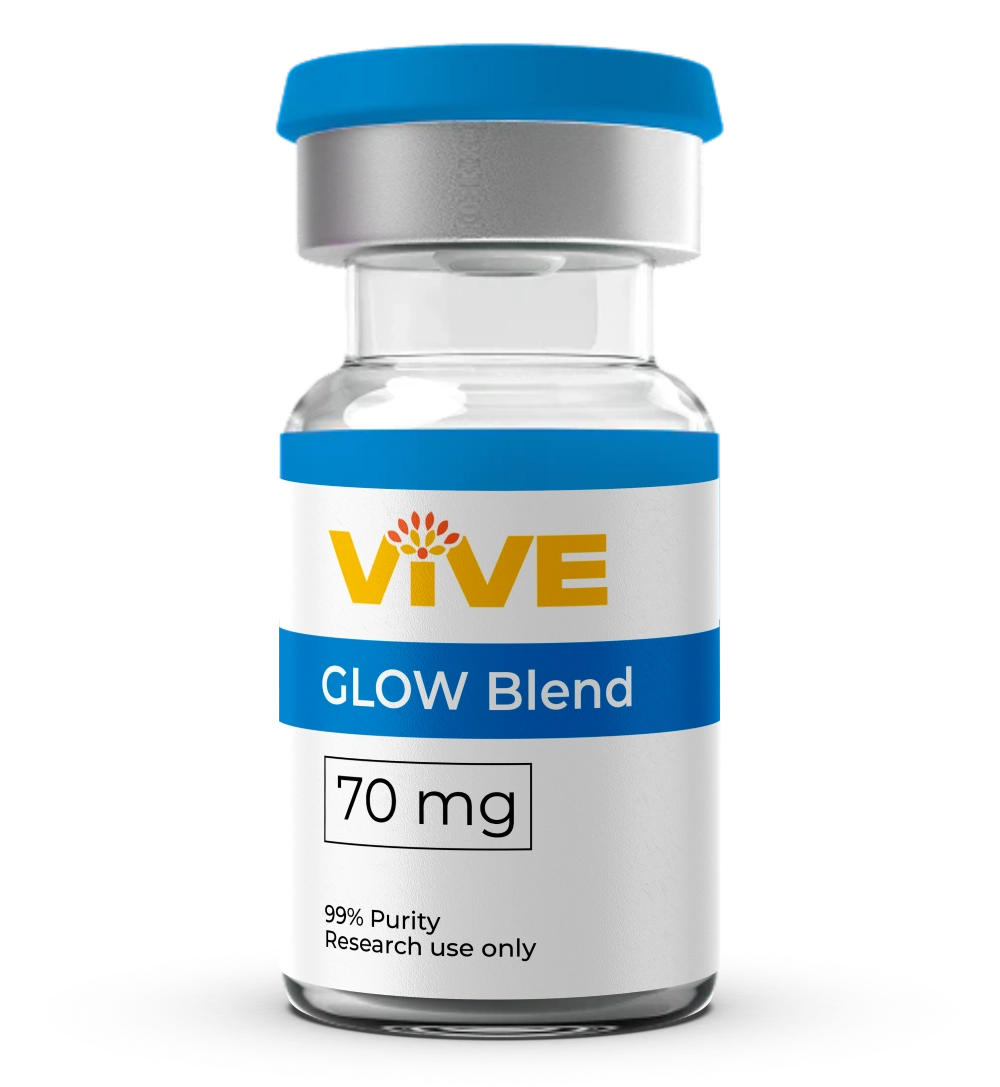
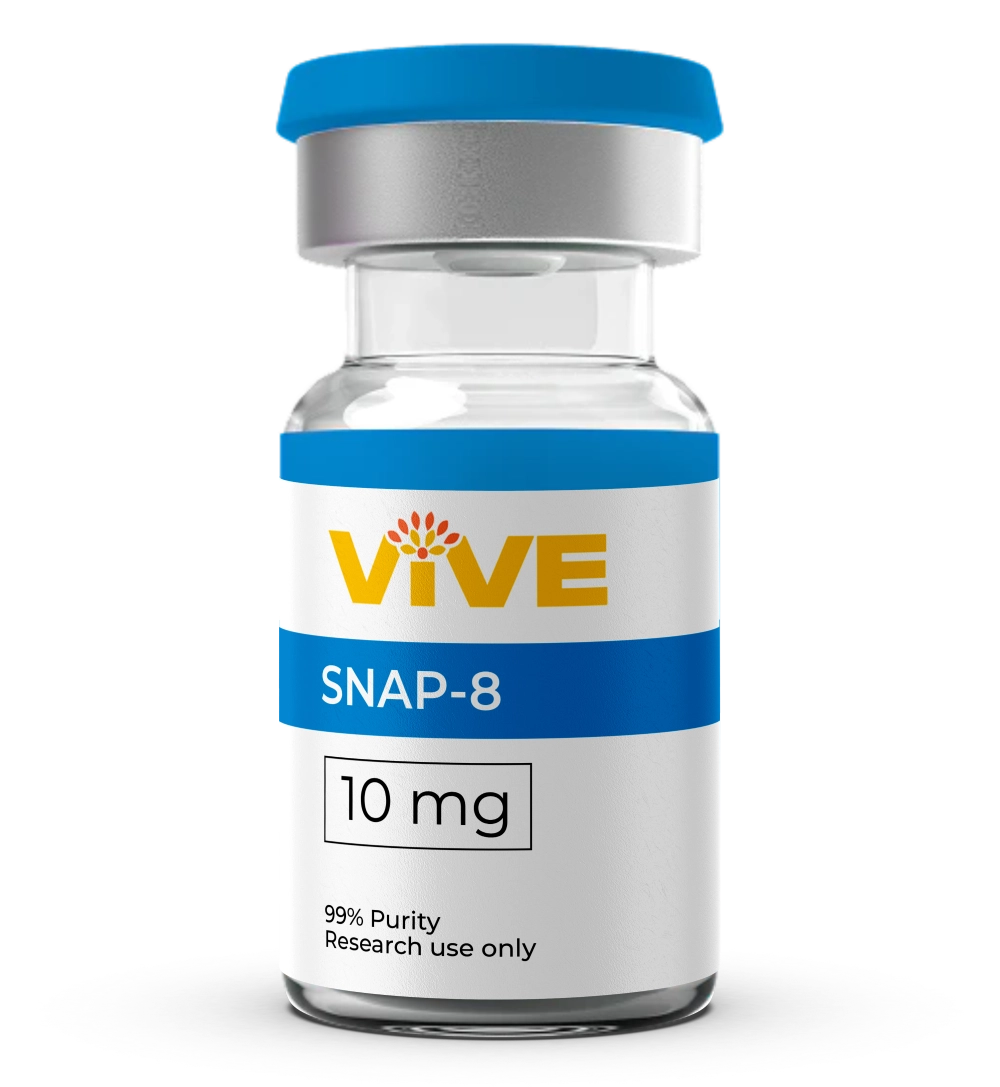
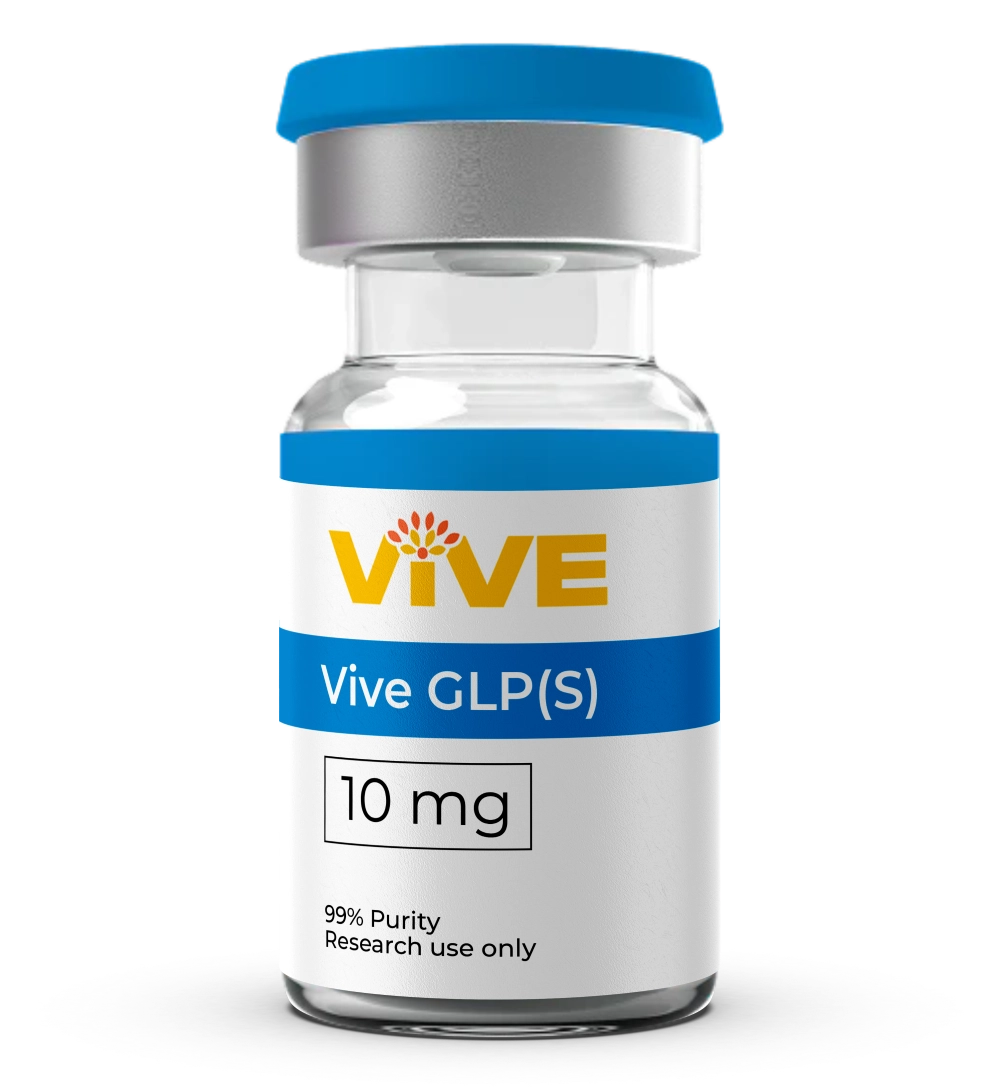
The Glow Blend combines BPC-157, TB-500, and GHK-Cu, representing a multi-peptide approach to regenerative signaling research across tissue repair and matrix remodeling models. SNAP-8 is an acetyl octapeptide studied in models of SNARE complex modulation at the neuromuscular junction. Semaglutide is a GLP-1 receptor agonist examined in metabolic pathway research, including insulin secretion and glucagon suppression models.
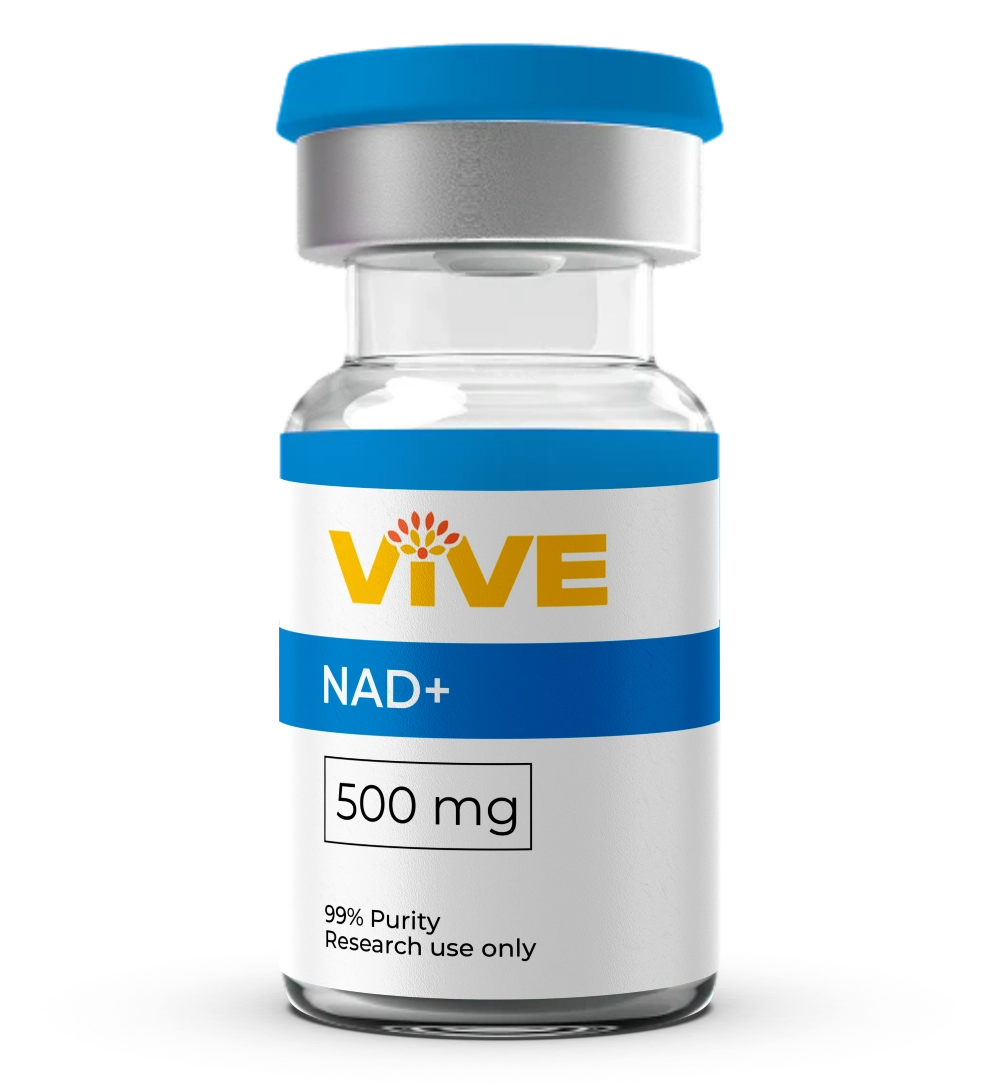
NAD+ is a coenzyme under active investigation for its roles in sirtuin activation, DNA repair signaling, and mitochondrial energy metabolism. VivePeptides supplies each compound with documented purity data and certificates of analysis for verified laboratory research use.
Diverse Mechanism Classes in One Collection
This collection spans copper-chelating tripeptides, GLP-1 receptor agonists, SNARE complex modulators, multi-peptide regenerative blends, and NAD+ coenzyme pathways, making it suitable for researchers investigating multiple distinct signaling categories within a single procurement.
Documented Purity and Research Standards
Each compound is supplied with a certificate of analysis and documented purity data, enabling researchers to meet standard laboratory verification requirements prior to incorporating compounds into preclinical study protocols.
Matching Compound to Target Pathway
Because the mechanism classes in this collection are mechanistically distinct and non-interchangeable, compound selection should be guided by the specific signaling pathway under investigation, whether that is receptor-level metabolic signaling, matrix biology, neuromodulation, or cellular energy metabolism.
Compound Comparison
How these compounds compare
| Compound | Mechanism Class | Research Focus | Distinguishing Feature |
|---|---|---|---|
| GHK-Cu | Copper-chelating tripeptide | Collagen synthesis, antioxidant signaling | Available standalone and within Glow Blend |
| Glow Blend (BPC/TB/GHK) | Multi-peptide regenerative blend | Tissue repair, angiogenesis, matrix remodeling | Three mechanistically distinct peptides combined |
| SNAP-8 | Acetyl octapeptide, SNARE modulator | Neuromuscular junction signaling | Neuromodulatory class, not growth factor |
| Semaglutide | GLP-1 receptor agonist | Metabolic signaling, insulin pathway | Only receptor agonist in collection |
| NAD+ | Coenzyme, sirtuin pathway activator | DNA repair, mitochondrial biogenesis | Non-peptide coenzyme class |
Mechanism & Research Context
Mechanism Classes and Preclinical Research Context for This Collection
What distinguishes this collection is the breadth of mechanistically distinct compound classes it represents, spanning receptor-level metabolic signaling, extracellular matrix and copper coordination chemistry, neuromodulatory peptide activity, and coenzyme-level cellular energetics. GHK-Cu and the GHK component within the Glow Blend are copper-chelating tripeptides, with preclinical literature examining their roles in upregulating collagen and elastin synthesis gene expression through antioxidant response element pathways. BPC-157 and TB-500, also within the Glow Blend, have been investigated in tissue repair and angiogenesis models through separate, well-described signaling mechanisms.
SNAP-8 research has focused on SNARE complex interference at the neuromuscular junction, a mechanism class distinct from the matrix biology compounds in this collection. Semaglutide research has concentrated on GLP-1 receptor agonism and downstream modulation of insulin secretion, glucagon suppression, and gastric motility pathways. NAD+ research examines sirtuin pathway activation, PARP enzyme function, and mitochondrial biogenesis in cellular energy models.
Researchers selecting between these compounds should account for these divergent mechanisms when establishing study parameters and controls.
Research FAQ
Frequently asked questions
What are peptides for women in a preclinical research context?
What mechanism class does GHK-Cu belong to, and how does it appear in this collection?
Which are the best peptides for women research programs investigating skin biology?
How does Semaglutide differ mechanistically from the other compounds in this collection?
Why is NAD+ included in a collection of women peptides focused on signaling research?
What should researchers consider when designing a study using compounds from this collection?
Related Research Collections
Continue exploring
All products are sold strictly for laboratory and scientific research use only. Not for human or animal consumption, diagnostic, or therapeutic use. Nothing on this page constitutes medical advice or a health claim.