
Research Use Only
GLP-1 Peptides
GLP-1 receptor agonists and multi-incretin research peptides studied for glucose-dependent insulin signaling and satiety pathways.
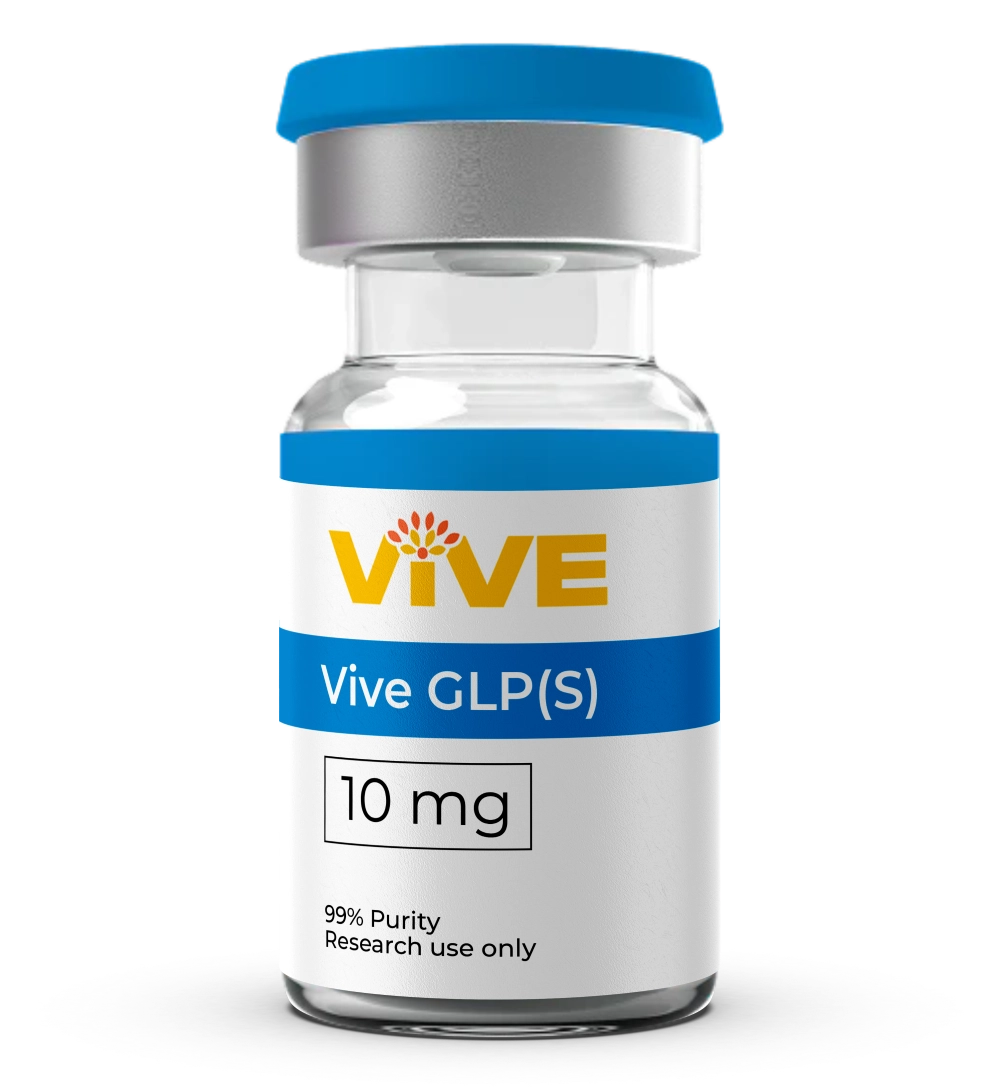
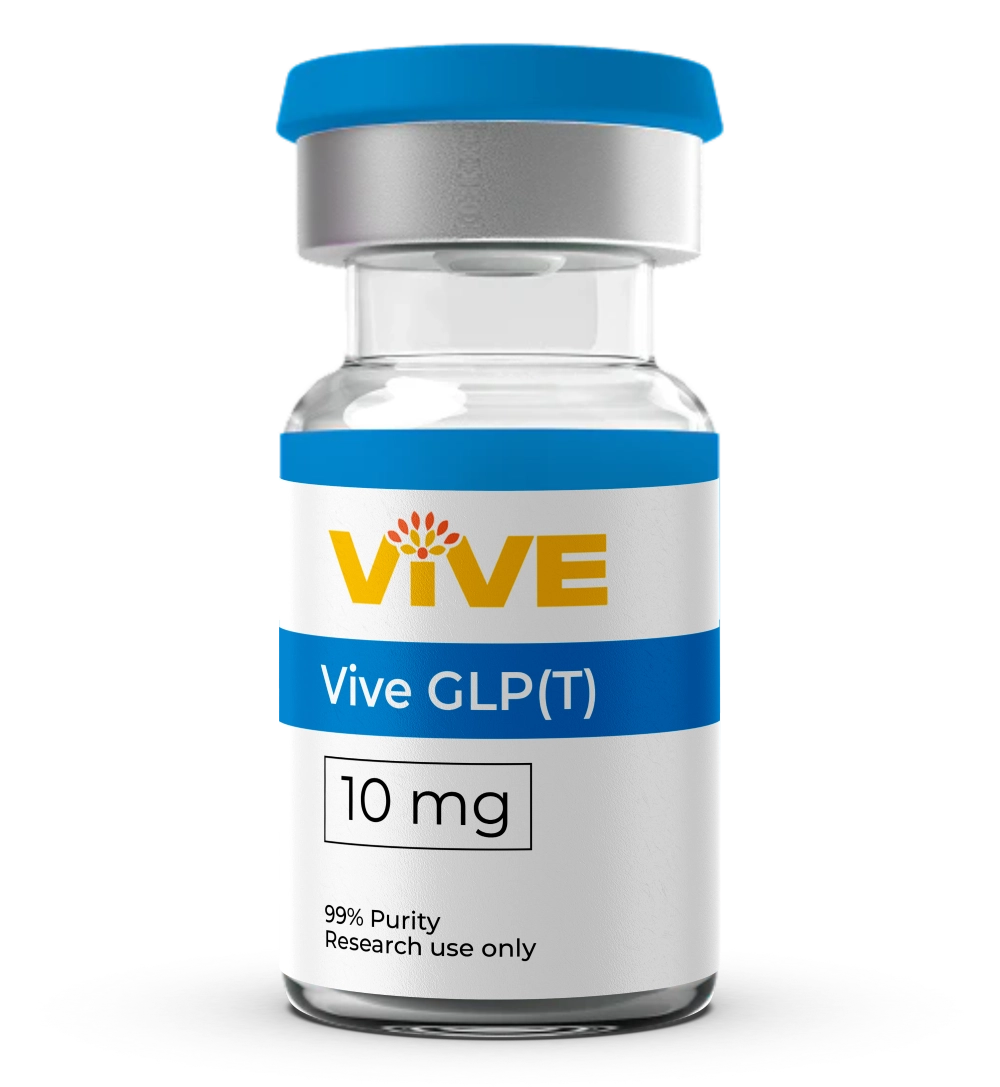
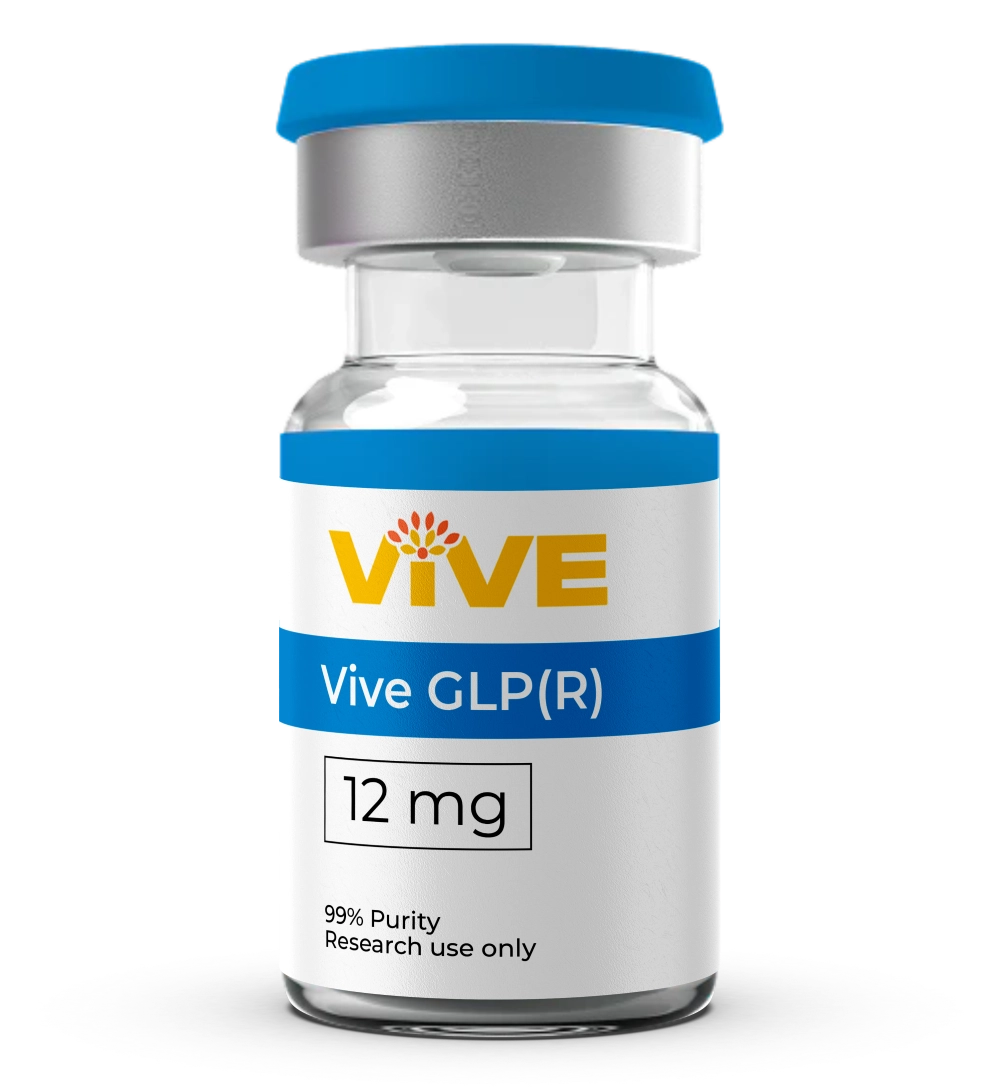
GLP-1 Peptides are research compounds studied for their interactions with glucagon-like peptide-1 receptors and related incretin receptor systems. This category encompasses selective GLP-1 receptor agonists, dual GLP-1/GIP receptor agonists, and triple GLP-1/GIP/glucagon receptor agonists. Featured compounds include Semaglutide, Tirzepatide, and Retatrutide, each available from VivePeptides as research-grade material for laboratory investigation only.
Reviewed by the VivePeptides Research DeskLast reviewed
Research Catalog
Compounds in this collection
Research Overview
GLP-1 Peptides: A Research Category Spanning the Incretin Receptor Agonism Spectrum
The GLP-1 peptide category encompasses research compounds that engage glucagon-like peptide-1 receptors, GIP receptors, or glucagon receptors, either selectively or in combination. This receptor family has become a highly active area of investigation in preclinical metabolic research, with published literature examining receptor binding kinetics, downstream signaling cascades, and in vitro cellular response profiles. Each compound within this collection occupies a distinct position on the receptor agonism spectrum, from monoagonism through triagonism.
Semaglutide is a selective GLP-1 receptor agonist, studied in models of receptor occupancy and cAMP-mediated signaling. Tirzepatide is a dual GLP-1/GIP receptor agonist, investigated in preclinical literature for additive or synergistic receptor engagement. Retatrutide is a triple GLP-1/GIP/glucagon receptor agonist, the most pharmacologically complex compound in this group.
VivePeptides supplies each compound as research-grade material, documented with third-party analytical data, for use in controlled laboratory settings only.
Single, Dual, and Triple Receptor Classes
This collection spans three distinct receptor agonism profiles, allowing researchers to compare GLP-1 pathway engagement at varying levels of receptor complexity within a single supplier source.
Third-Party Purity and Analytical Documentation
Each GLP-1 peptide is supplied with HPLC purity data and mass spectrometry confirmation, providing the analytical documentation necessary for reproducible preclinical research protocols.
Matching Compounds to Study Design
Researchers select among Semaglutide, Tirzepatide, and Retatrutide based on the specific receptor targets and signaling pathways required by their experimental model, not interchangeably.
Compound Comparison
How these compounds compare
| Compound | Mechanism Class | Research Focus | Distinguishing Feature |
|---|---|---|---|
| Semaglutide | Selective GLP-1 receptor agonist | GLP-1 receptor binding, cAMP signaling | Single-receptor selectivity |
| Tirzepatide | Dual GLP-1/GIP receptor agonist | Combinatorial incretin receptor engagement | Co-activation of two receptor types |
| Retatrutide | Triple GLP-1/GIP/glucagon receptor agonist | Multi-receptor metabolic signaling | Three-receptor polyagonism profile |
Mechanism & Research Context
Mechanism Classes and Preclinical Research Context for GLP-1 and Incretin Peptides
What distinguishes the compounds in this collection is the degree of receptor polyagonism each represents. Semaglutide operates as a selective GLP-1 receptor agonist, and preclinical literature has examined its receptor binding affinity, half-life profile, and intracellular signaling through adenylyl cyclase pathways.
Tirzepatide introduces dual agonism at GLP-1 and GIP receptors, and published in vitro and in vivo research has investigated whether combinatorial receptor engagement produces distinct signaling outcomes compared to single-receptor agonists. Retatrutide adds glucagon receptor activity to the GLP-1/GIP receptor profile, making it a subject of investigation in models where all three receptor systems are relevant to the signaling question under study.
Researchers selecting between these compounds typically do so based on receptor specificity requirements, the signaling pathway under investigation, and the experimental model being used. All three compounds require appropriate cold-chain handling and reconstitution protocols consistent with lyophilized peptide research materials.
Research FAQ
Frequently asked questions
What are GLP-1 peptides in the context of laboratory research?
What is the difference between Semaglutide, Tirzepatide, and Retatrutide?
What research applications are GLP-1 and incretin peptides investigated for in preclinical studies?
Why is the glp 1 peptide category considered an active area of preclinical investigation?
How should GLP-1 research peptides be stored and handled in a laboratory setting?
What makes Retatrutide distinct from other GLP-1 peptides in this collection?
Related Research Collections
Continue exploring
All products are sold strictly for laboratory and scientific research use only. Not for human or animal consumption, diagnostic, or therapeutic use. Nothing on this page constitutes medical advice or a health claim.