
Research Use Only
Peptides for Men
A research selection of peptides studied across growth-factor, recovery, and melanocortin pathways often of interest in male-focused research.
Peptides for Men are research compounds studied for their activity within two principal signaling axes relevant to male physiology: the hypothalamic-pituitary growth hormone secretagogue pathway and the central melanocortin system. The category encompasses GHRH analogs, a GHRH/GHRP combination blend, an IGF-1 analog, and a melanocortin receptor agonist, all supplied for in vitro and preclinical laboratory research applications only.
Reviewed by the VivePeptides Research DeskLast reviewed
Research Catalog
Compounds in this collection
Research Overview
Peptides for Men: What This Research Category Covers
The "Peptides for Men" research category encompasses compounds investigated for their mechanistic activity along the growth hormone secretagogue axis and the central melanocortin signaling network, two areas of sustained preclinical interest in male physiology models. Five compounds are featured here across three mechanism classes. CJC-1295 No DAC, Sermorelin, and Tesamorelin are GHRH analogs that interact with pituitary GHRH receptors.
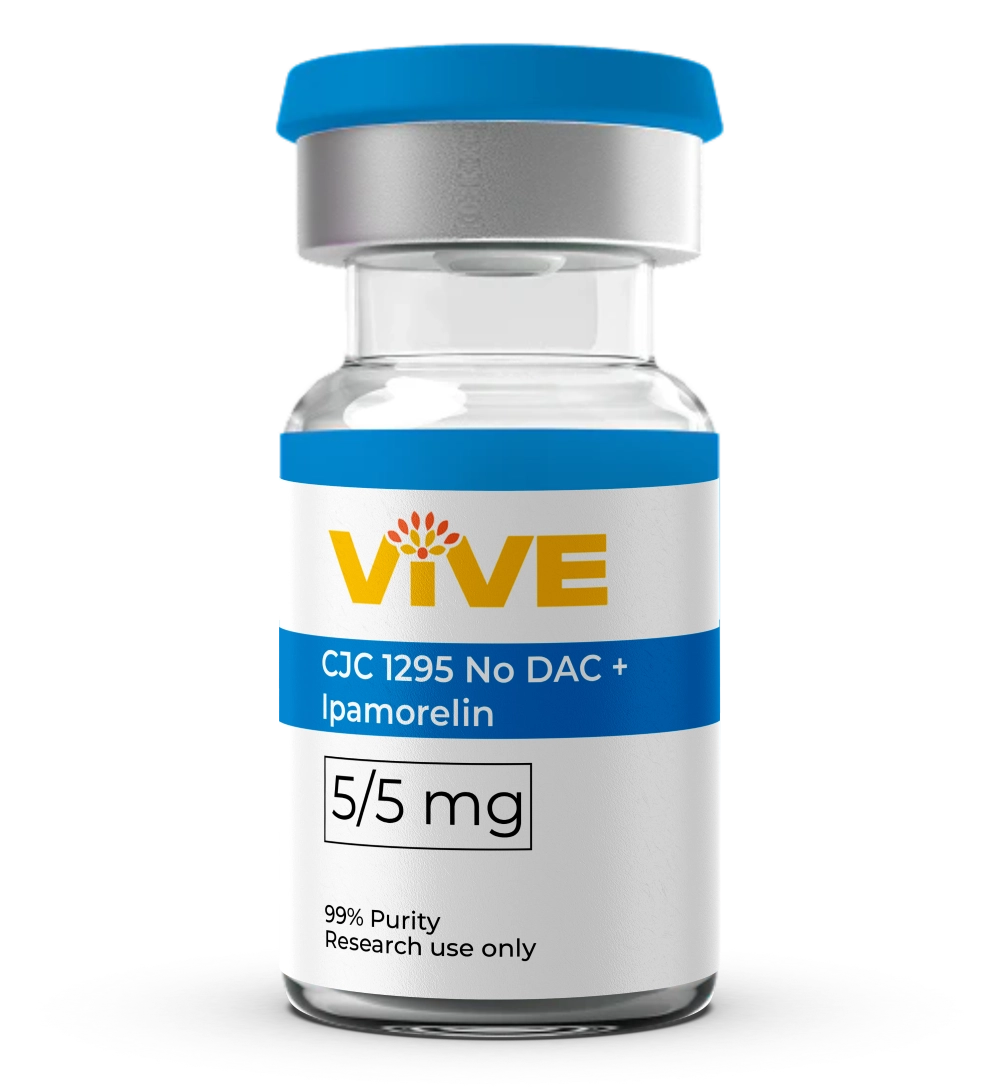
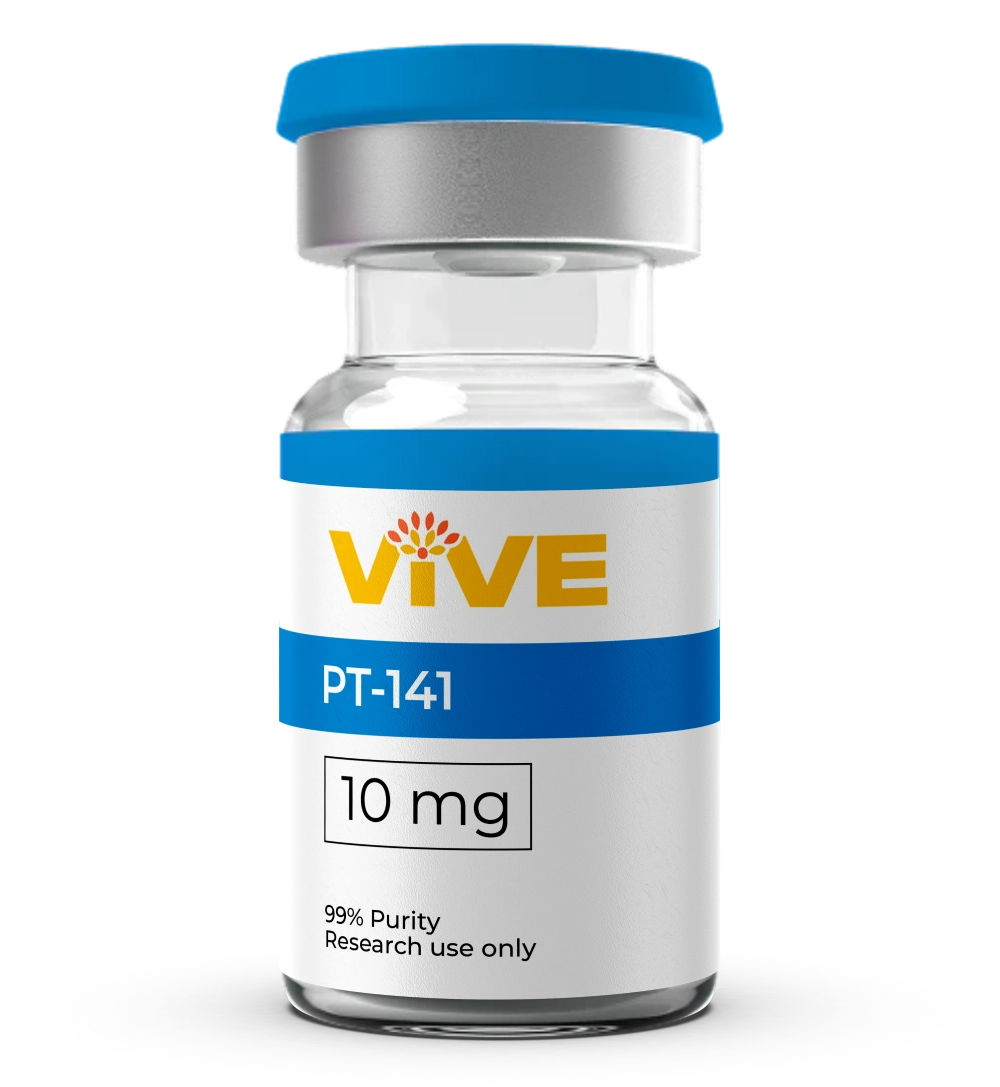
The CJC-1295 No DAC and Ipamorelin blend pairs a GHRH analog with a ghrelin-mimetic growth hormone-releasing peptide, allowing researchers to study dual-pathway secretagogue activity. IGF-1 LR3 is a long-acting IGF-1 analog functioning downstream of the GH axis. PT-141 is a melanocortin MC3R/MC4R receptor agonist representing a mechanistically separate neuroendocrine pathway.
VivePeptides supplies each compound to research-grade standards with supporting documentation, enabling consistent laboratory protocols across investigator teams.
Three Distinct Mechanism Classes
This collection spans GHRH analogs, a GHRH/GHRP combination blend, an IGF-1 analog, and a melanocortin receptor agonist, giving researchers access to multiple mechanistic entry points within a single sourcing relationship. Each mechanism class acts on a discrete receptor population, supporting studies that require parallel or comparative signaling investigations.
Research-Grade Purity and Documentation
Each compound in the Peptides for Men category is supplied with certificate of analysis documentation supporting purity verification, a standard requirement for reproducible preclinical protocols. Researchers should confirm that lot-specific CoA data is available before incorporating any peptide into a formal study design.
Selecting Compounds by Signaling Node
Compound selection within this category is typically driven by which signaling node the study targets: upstream GHRH receptor activation, downstream IGF-1 receptor signaling, or central melanocortin receptor activity. Understanding the mechanistic position of each compound relative to the GH axis helps investigators avoid confounding cross-pathway effects in experimental models.
Compound Comparison
How these compounds compare
| Compound | Mechanism Class | Research Focus | Distinguishing Feature |
|---|---|---|---|
| CJC-1295 No DAC + Ipamorelin Blend | GHRH analog and GHRP combination | Dual-pathway GH secretagogue signaling | Simultaneous GHRH receptor and ghrelin receptor activation |
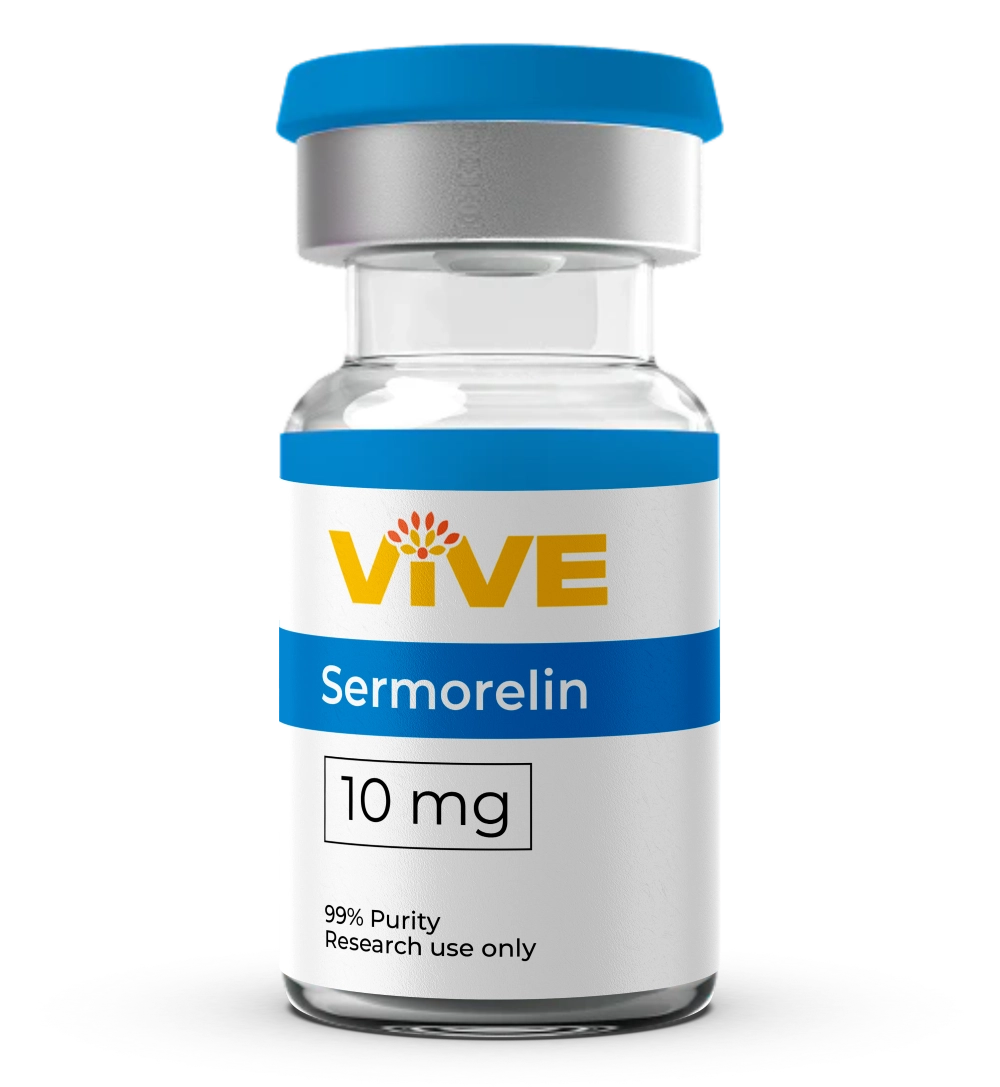
| Sermorelin | GHRH analog | Pituitary somatotroph stimulation | Shortest half-life among featured GHRH analogs |
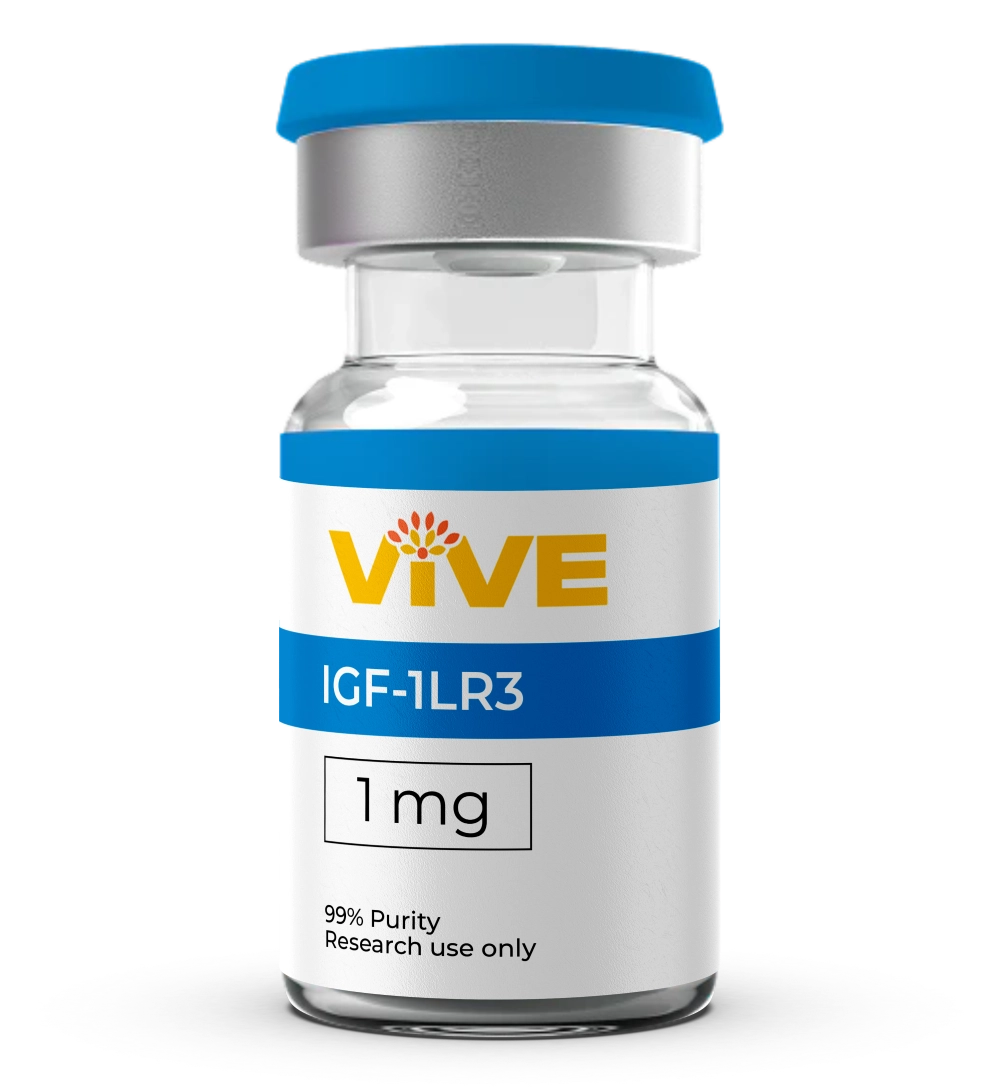
| IGF-1 LR3 | IGF-1 analog | Post-receptor IGF signaling | Reduced IGFBP binding, extended receptor availability |
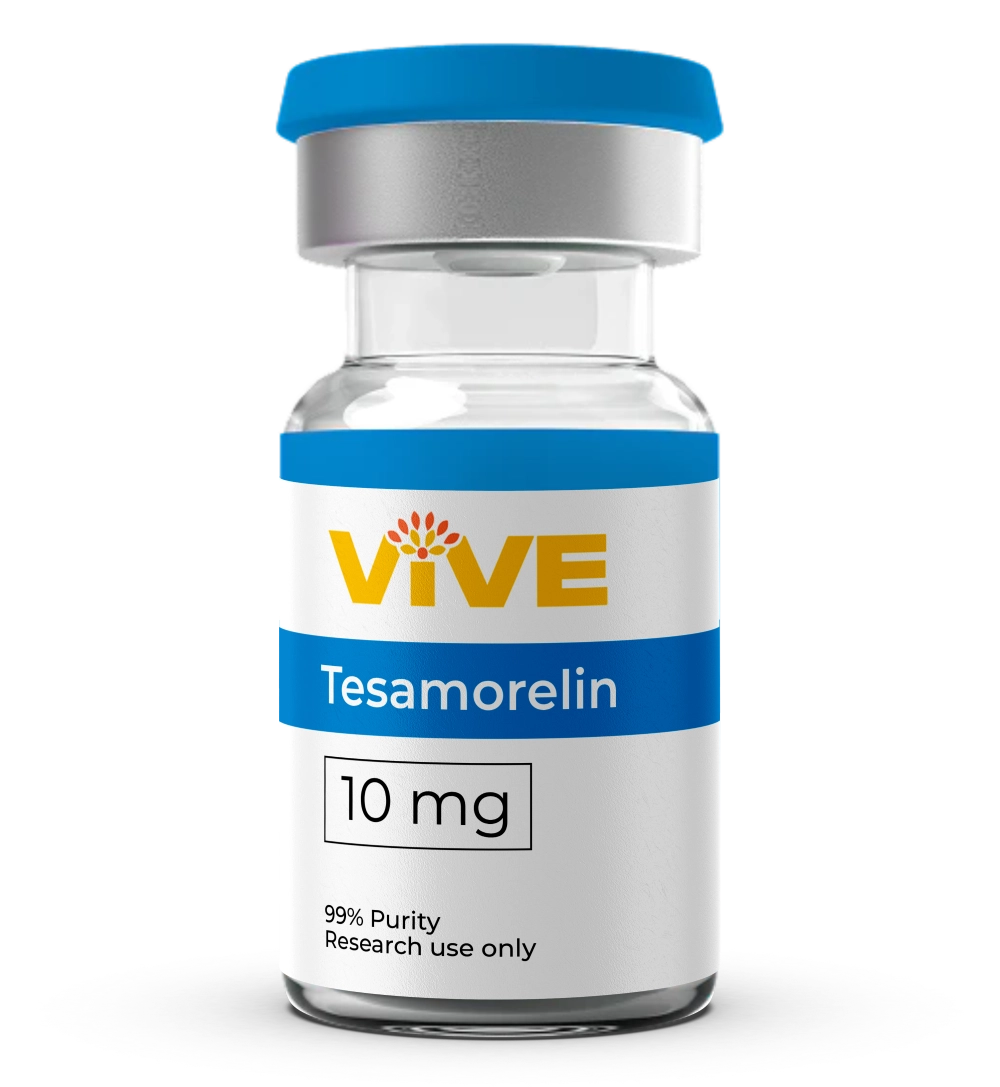
| Tesamorelin | GHRH analog | Visceral and metabolic axis modeling | Stabilized GHRH analog with defined metabolic research profile |
| PT-141 | Melanocortin receptor agonist | Central MC3R and MC4R activation | Neuroendocrine pathway distinct from GH axis |
Mechanism & Research Context
Mechanism Classes and Preclinical Research Context for Men Peptides
What distinguishes this collection is the breadth of mechanistic entry points it provides into male-relevant endocrine and neuroendocrine research. GHRH analogs such as Sermorelin and Tesamorelin stimulate pituitary somatotrophs via GHRH receptor binding, and preclinical literature has examined their comparative half-lives, receptor occupancy profiles, and downstream effects on circulating IGF-1.
CJC-1295 No DAC combined with Ipamorelin offers a dual-agonist approach: the GHRH analog drives pulsatile release while the GHRP acts through a separate ghrelin receptor pathway, producing additive secretagogue responses documented in in vivo models. IGF-1 LR3, a modified analog with reduced insulin-like growth factor binding protein affinity, allows investigation of post-receptor IGF signaling independently of acute GH pulses.
PT-141 activates melanocortin receptor subtypes in the central nervous system, a pathway studied entirely separately from hormonal axes. Researchers typically select among these compounds based on the specific signaling node under investigation and the study design's target tissue.
Research FAQ
Frequently asked questions
What are the best peptides for men used in laboratory research?
How do GHRH analogs differ from IGF-1 analogs in male-relevant research models?
What makes PT-141 mechanistically different from the other peptides for men in this collection?
What distinguishes CJC-1295 No DAC combined with Ipamorelin from Sermorelin in preclinical study design?
What purity and documentation standards should researchers require when sourcing men peptides?
How do researchers choose between Tesamorelin and Sermorelin for growth hormone axis studies?
Related Research Collections
Continue exploring
All products are sold strictly for laboratory and scientific research use only. Not for human or animal consumption, diagnostic, or therapeutic use. Nothing on this page constitutes medical advice or a health claim.