
Research Use Only
Peptides for Fat Burning
Peptides investigated in the context of lipolysis, mitochondrial energy expenditure, and substrate utilization.
Peptides for Fat Burning are research compounds studied for their roles in lipid metabolism, adipose tissue regulation, and energy homeostasis in preclinical models. This category encompasses GLP-1 receptor agonists, dual incretin receptor agonists, mitochondrial-derived regulatory peptides, and GHRH analogues, each investigated through a mechanistically distinct pathway. All compounds are supplied for laboratory research use only.
Reviewed by the VivePeptides Research DeskLast reviewed
Research Catalog
Compounds in this collection
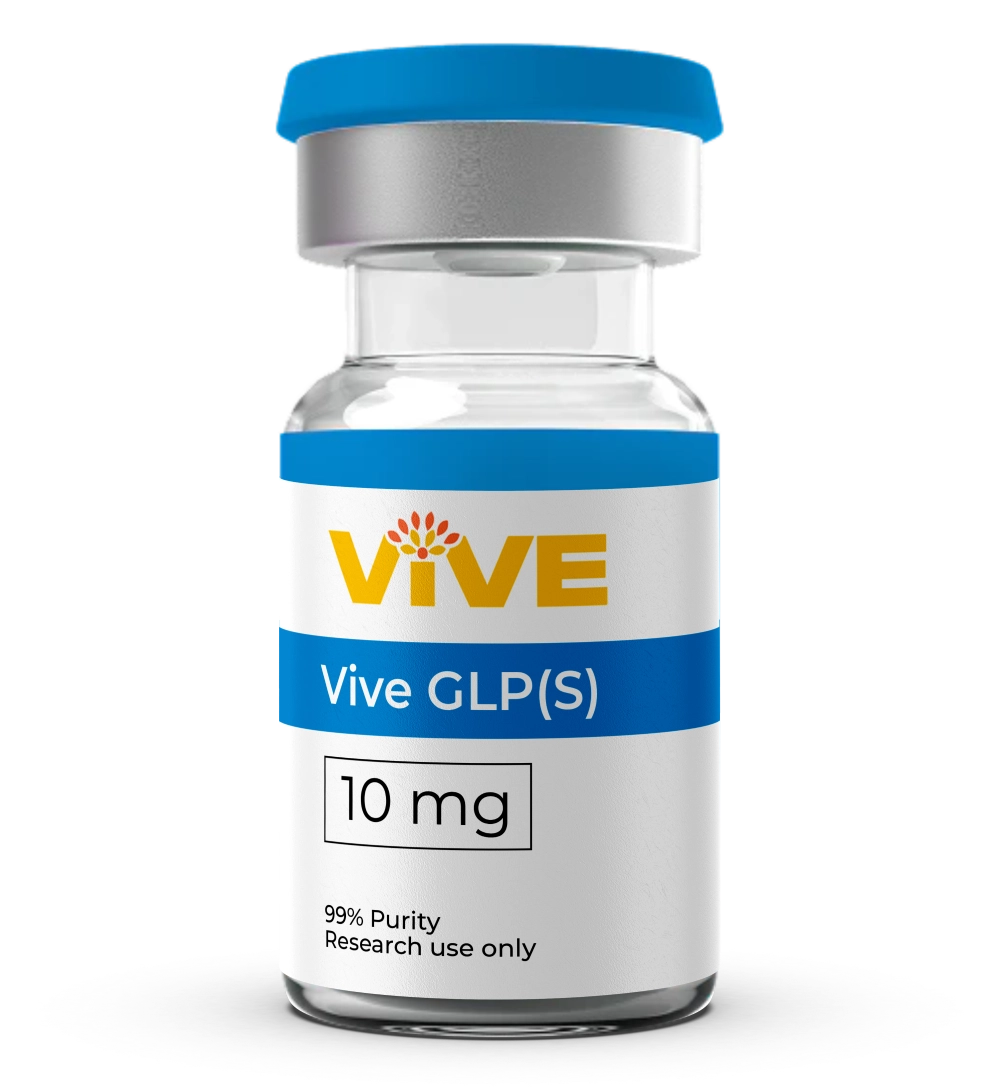
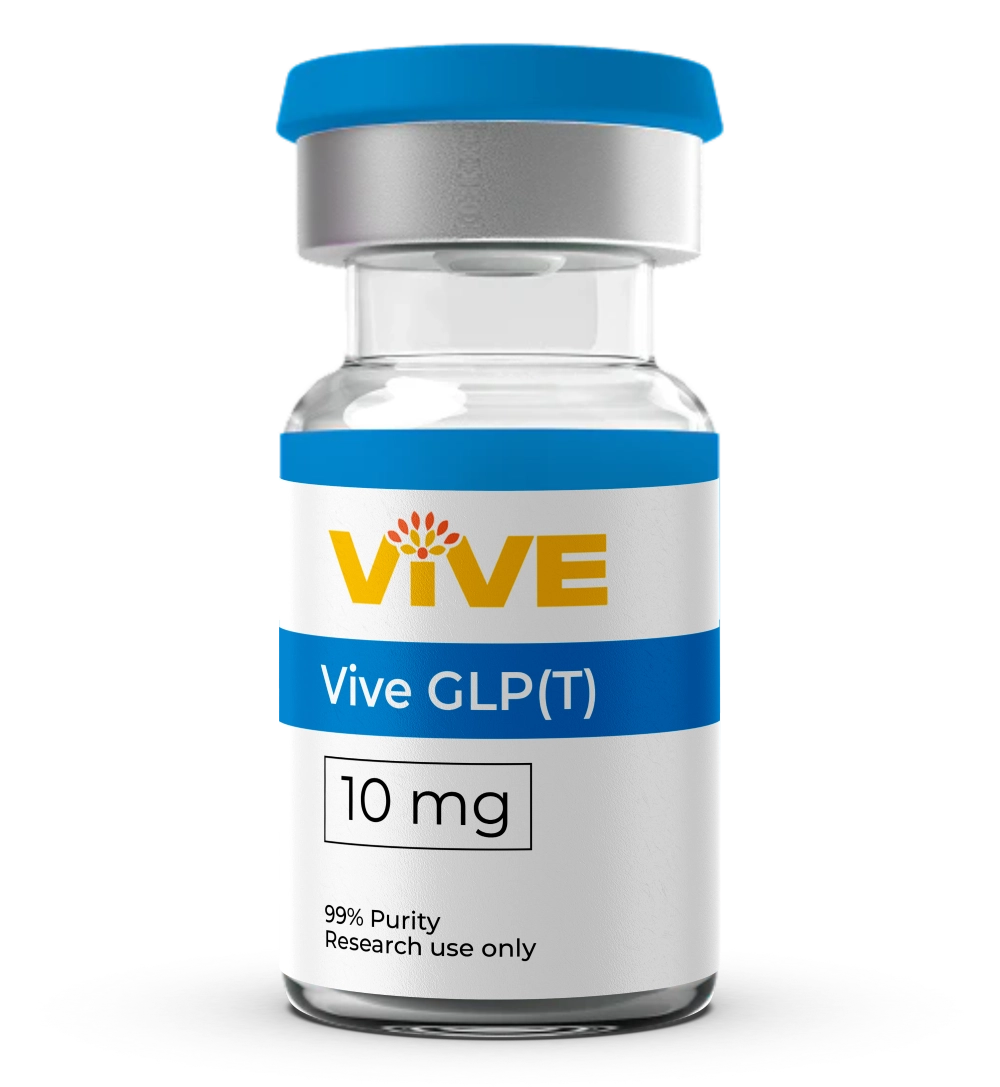
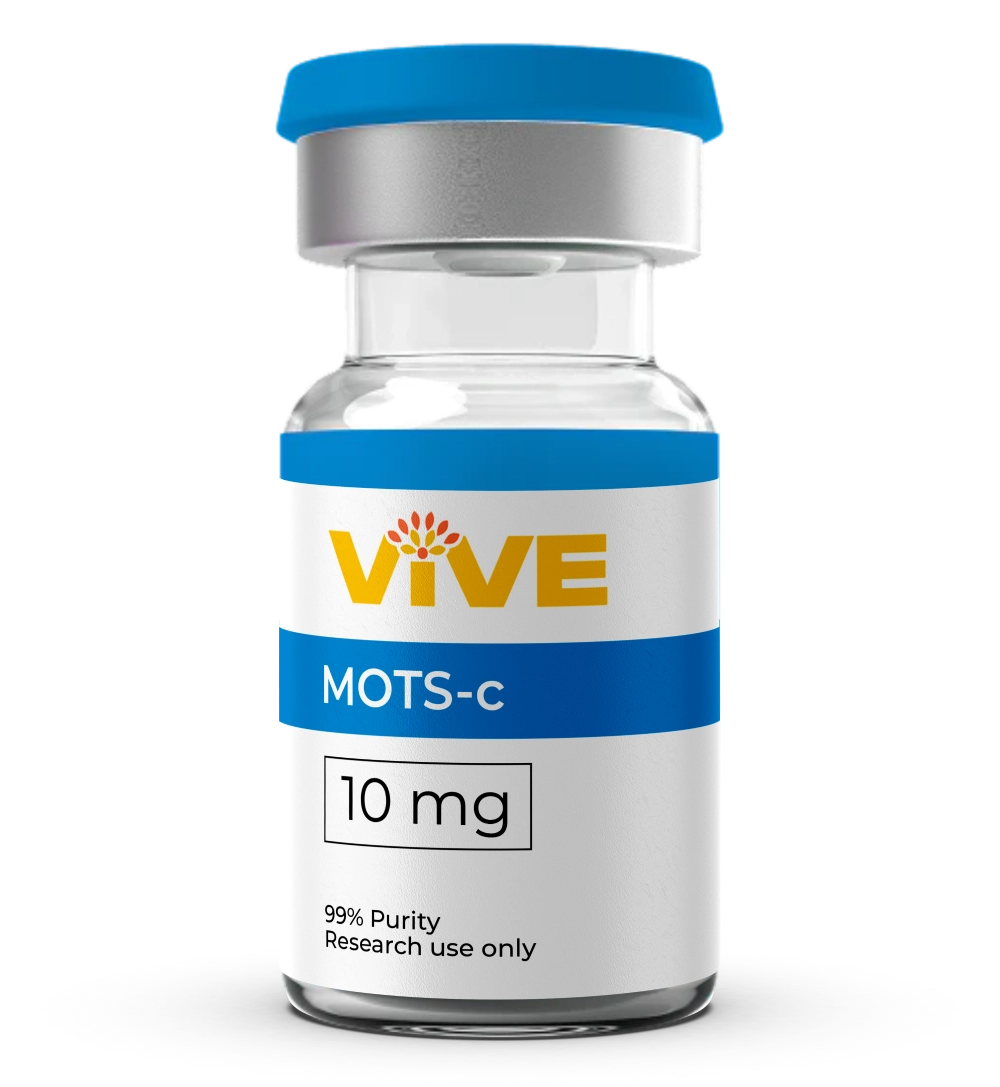
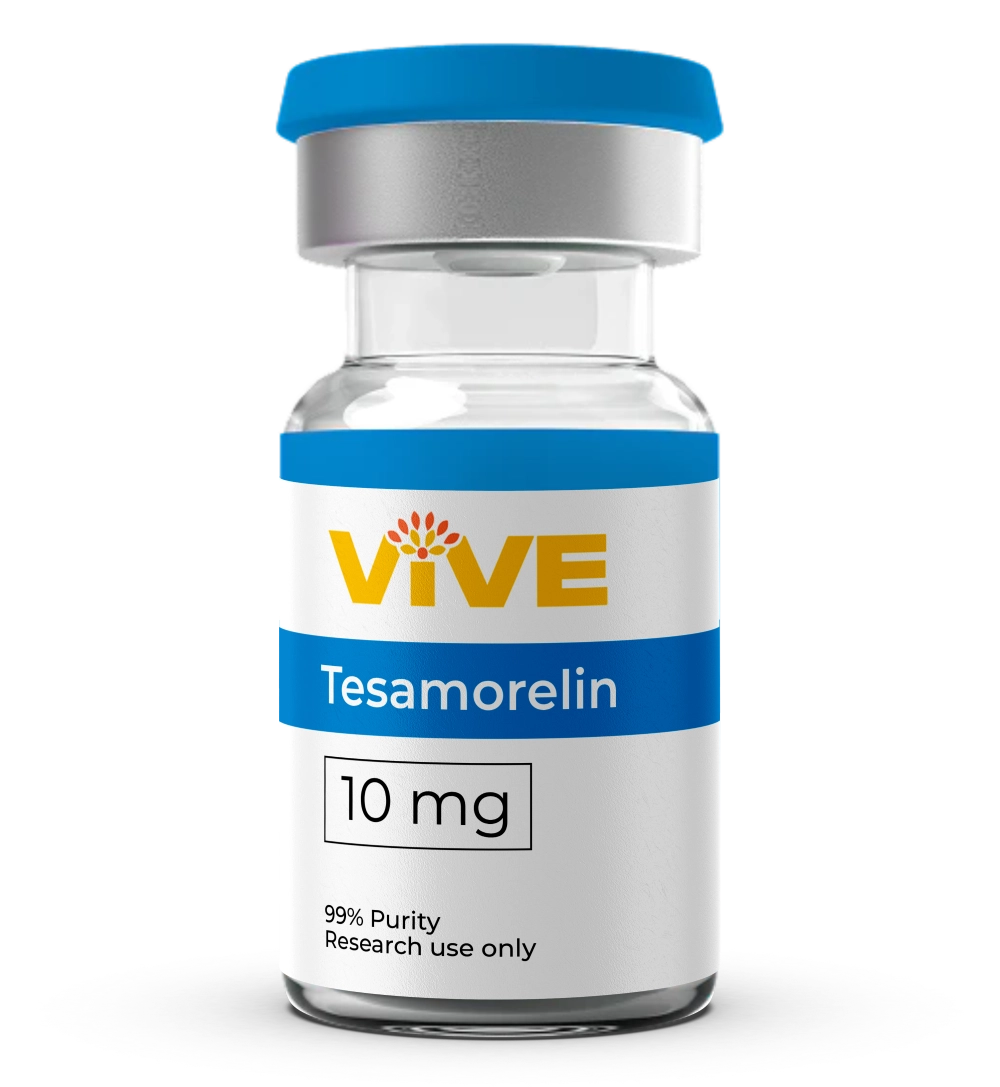
Research Overview
Fat Burning Peptides: A Multi-Mechanism Research Category
The fat burning peptides research category encompasses compounds investigated for their roles in lipid metabolism, adipose tissue regulation, and systemic energy homeostasis in laboratory models. This is one of the most active areas in peptide research, with substantial preclinical literature examining how distinct receptor-level and intracellular signaling pathways influence fat utilization and metabolic substrate dynamics. Four mechanism classes are represented in this collection.
Semaglutide is a GLP-1 receptor agonist studied for its effects on energy intake signaling. Tirzepatide is a dual GIP and GLP-1 receptor agonist with incretin activity at two receptor targets simultaneously. MOTS-c is a mitochondrial-derived regulatory peptide investigated for intracellular metabolic switching.
Tesamorelin is a growth hormone-releasing hormone analogue studied in the context of hormonal axis modulation and fat distribution. VivePeptides supplies each compound at research grade with batch-specific documentation to support rigorous, reproducible preclinical study design.
Four Distinct Mechanism Classes
Semaglutide, Tirzepatide, MOTS-c, and Tesamorelin each operate through a separate mechanistic pathway, allowing researchers to investigate GLP-1 agonism, dual incretin co-activation, mitochondrial signaling, and GHRH analogue activity as independent research variables within a single compound category.
Selecting Compounds by Research Endpoint
Researchers select among these best peptides for fat burning studies based on the specific metabolic axis under investigation: receptor-level energy signaling, dual incretin-driven adipose remodeling, intracellular substrate switching, or hormonal modulation of visceral fat distribution.
Purity Standards and Batch Documentation
VivePeptides provides research-grade fat burning peptides with batch-specific documentation, including purity data, to meet the reproducibility requirements of preclinical metabolic research and support rigorous experimental design.
Compound Comparison
How these compounds compare
| Compound | Mechanism Class | Research Focus | Distinguishing Feature |
|---|---|---|---|
| Semaglutide | GLP-1 receptor agonist | Energy intake signaling, fatty acid oxidation | Single incretin receptor engagement |
| Tirzepatide | Dual GIP and GLP-1 receptor agonist | Adipose tissue remodeling, lipid clearance | Simultaneous dual incretin receptor co-activation |
| MOTS-c | Mitochondrial-derived regulatory peptide | AMPK activation, metabolic substrate switching | Intracellular mitochondrial mechanism of action |
| Tesamorelin | GHRH analogue | Growth hormone pulsatility, visceral adipose distribution | Hypothalamic-pituitary hormonal axis modulation |
Mechanism & Research Context
Mechanism Classes and Preclinical Research Context
The compounds in this fat burning peptides collection are distinguished by four separate mechanism classes, each engaging metabolic processes through a different molecular entry point. Semaglutide operates as a GLP-1 receptor agonist; preclinical research has examined its influence on energy intake signaling pathways and fatty acid oxidation in relevant animal models.
Tirzepatide engages both GIP and GLP-1 receptors, and the literature has investigated the additive effects of dual incretin receptor co-activation on adipose tissue remodeling and lipid clearance. MOTS-c is a mitochondrial-derived peptide, and studies have examined its capacity to activate AMPK and shift metabolic substrate utilization at the intracellular level, a mechanism class distinct from receptor agonism.
Tesamorelin, as a GHRH analogue, has been investigated for its effects on growth hormone secretion and visceral adipose distribution in preclinical models. Researchers designing studies with these compounds typically select based on which mechanistic axis, receptor-level, intracellular, or hormonal, is most relevant to the endpoint being studied.
Research FAQ
Frequently asked questions
What are fat burning peptides in a research context?
How does Semaglutide differ from Tirzepatide in fat burning peptide research?
What is MOTS-c and why is it relevant to fat burning peptide research?
What mechanism does Tesamorelin use in preclinical metabolic research?
How do researchers select the best peptide for fat burning studies?
What documentation should researchers expect when sourcing fat burning peptides for laboratory use?
Related Research Collections
Continue exploring
All products are sold strictly for laboratory and scientific research use only. Not for human or animal consumption, diagnostic, or therapeutic use. Nothing on this page constitutes medical advice or a health claim.