
Research Use Only
Growth Hormone Peptides
GHRH analogs and growth-hormone secretagogues studied for their action on the somatotropic axis.
Growth Hormone Peptides are research compounds studied for their capacity to modulate the somatotropic axis through distinct receptor-level mechanisms. This category encompasses GHRH analogs, growth hormone releasing peptides, and IGF-1 analogs, each investigated in preclinical models for interactions with pituitary signaling pathways and downstream growth factor systems. All compounds are intended for laboratory research use only.
Reviewed by the VivePeptides Research DeskLast reviewed
Research Catalog
Compounds in this collection
Research Overview
Growth Hormone Peptides: Research Category Overview and Compound Classes
The growth hormone peptide category encompasses synthetic analogs and mimetics that interact with the hypothalamic-pituitary somatotropic axis at distinct regulatory points. It represents one of the most investigated areas in peptide research, driven by preclinical examination of GH secretion dynamics, IGF-1 receptor signaling, and downstream effects on metabolic and tissue modeling systems. VivePeptides supplies four characterized compounds in this category, each representing a different mechanism class.
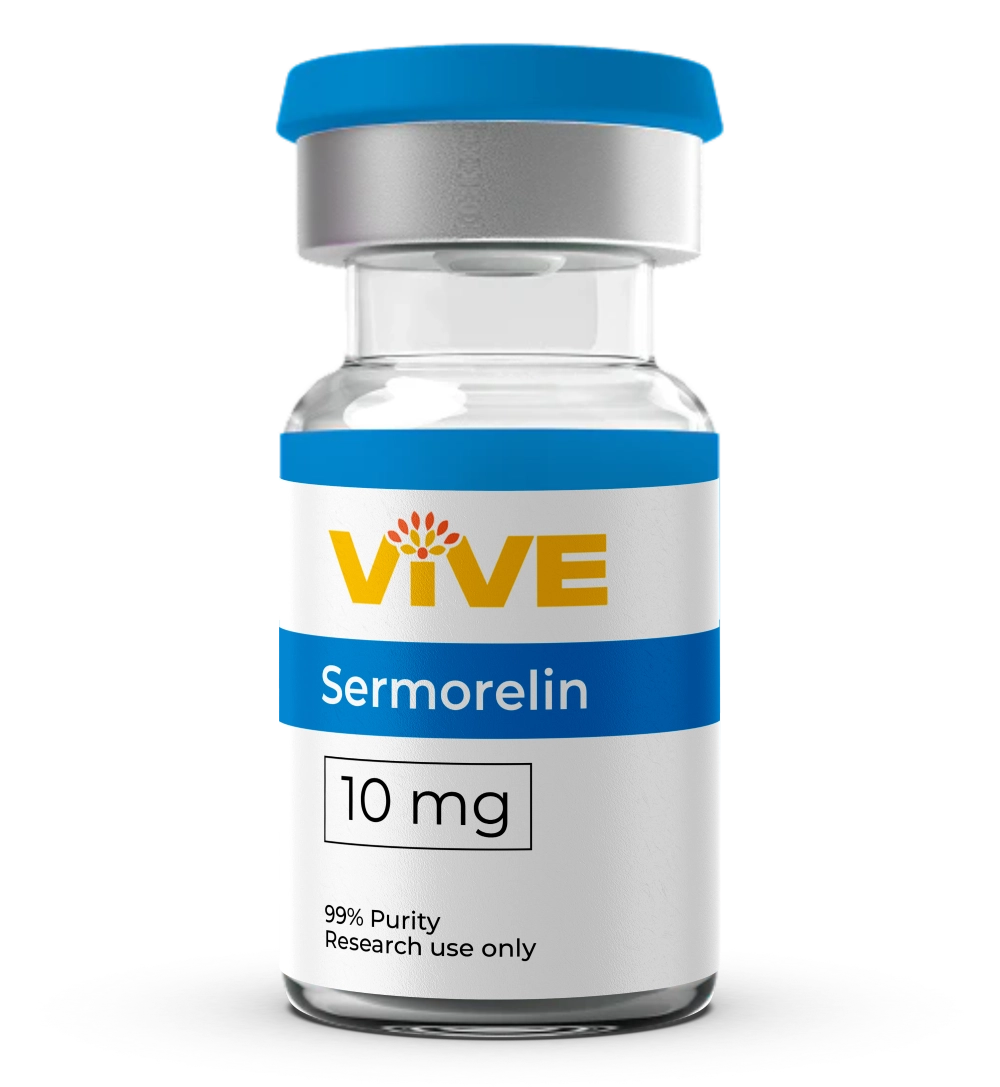
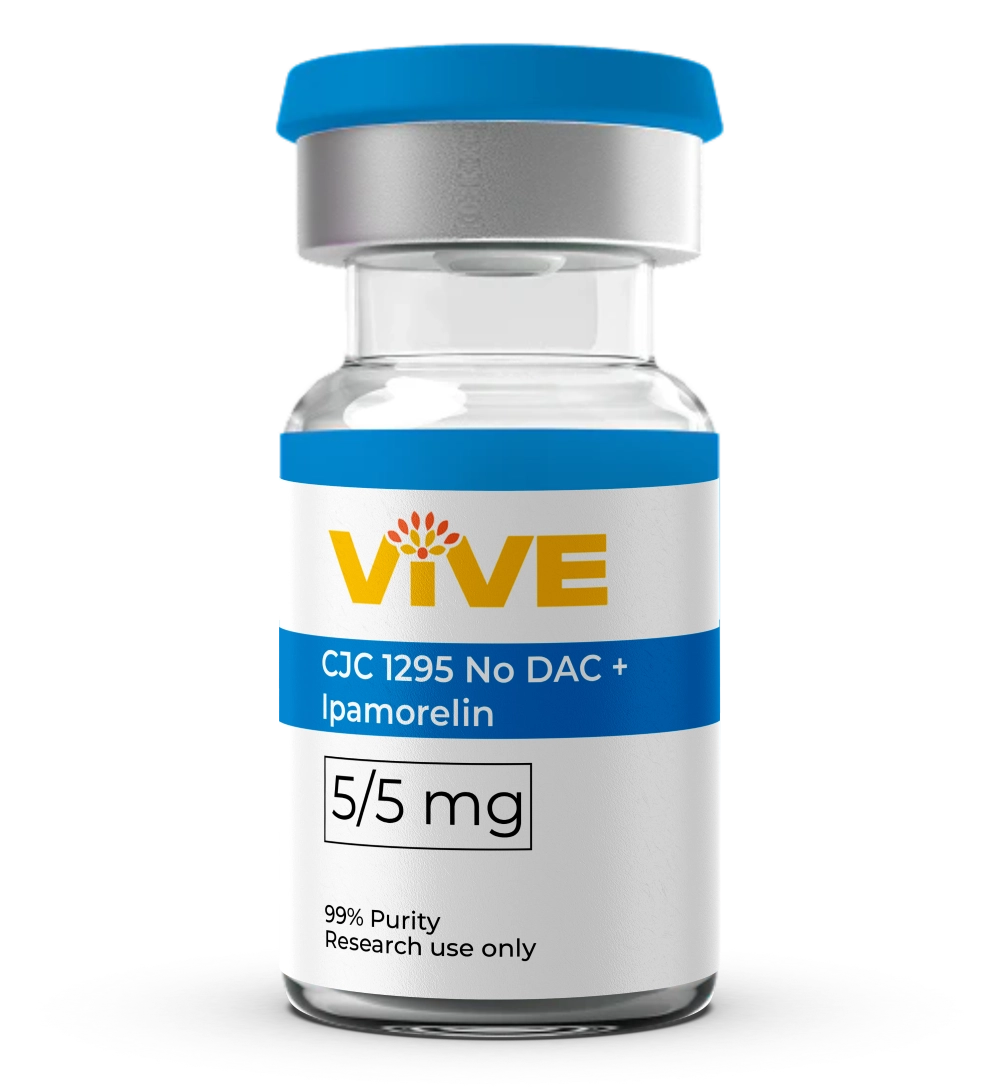
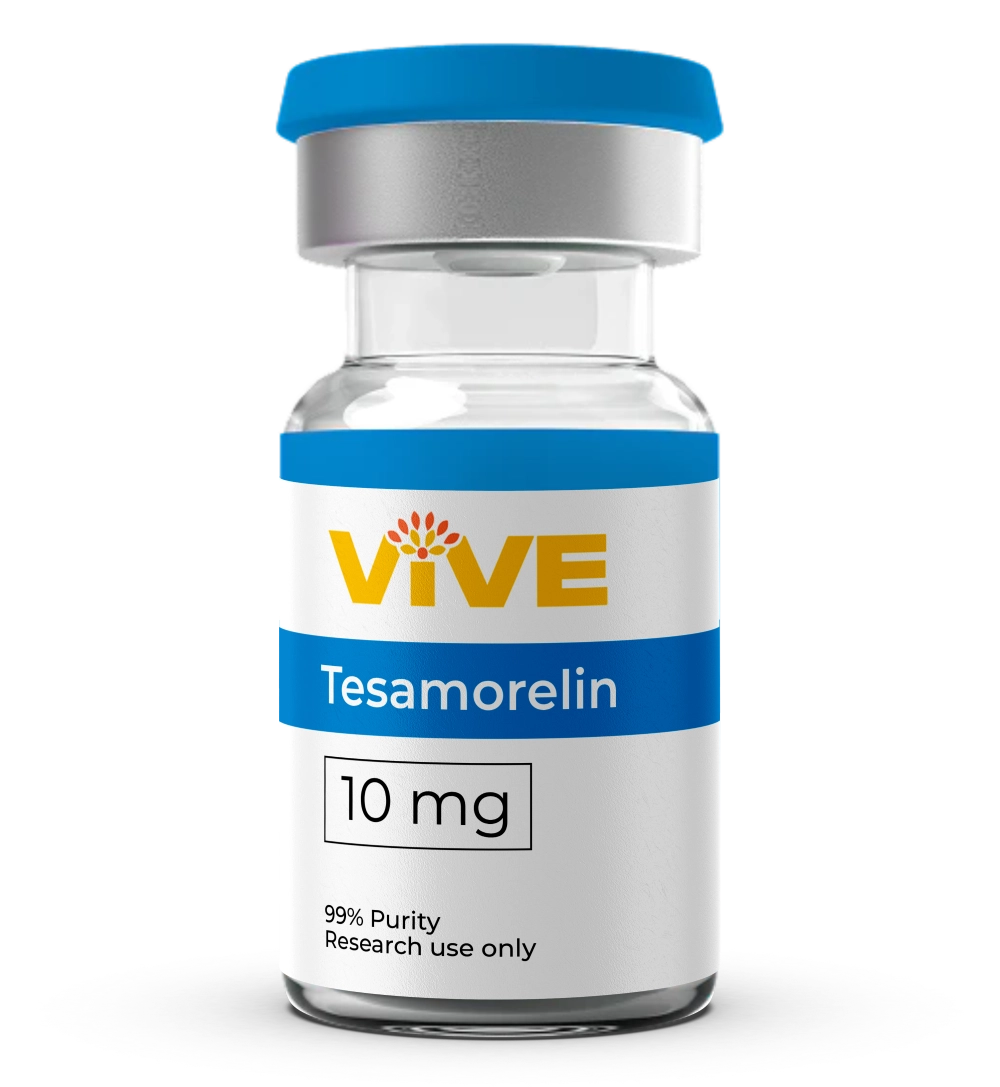
Sermorelin is a truncated GHRH analog corresponding to the first 29 residues of endogenous growth hormone releasing hormone. CJC 1295 No DAC combined with Ipamorelin is a dual-mechanism blend pairing a GHRH analog with a selective ghrelin receptor agonist and growth hormone releasing peptide. Tesamorelin is a stabilized full-length GHRH analog studied for enhanced structural integrity relative to shorter GHRH fragments.
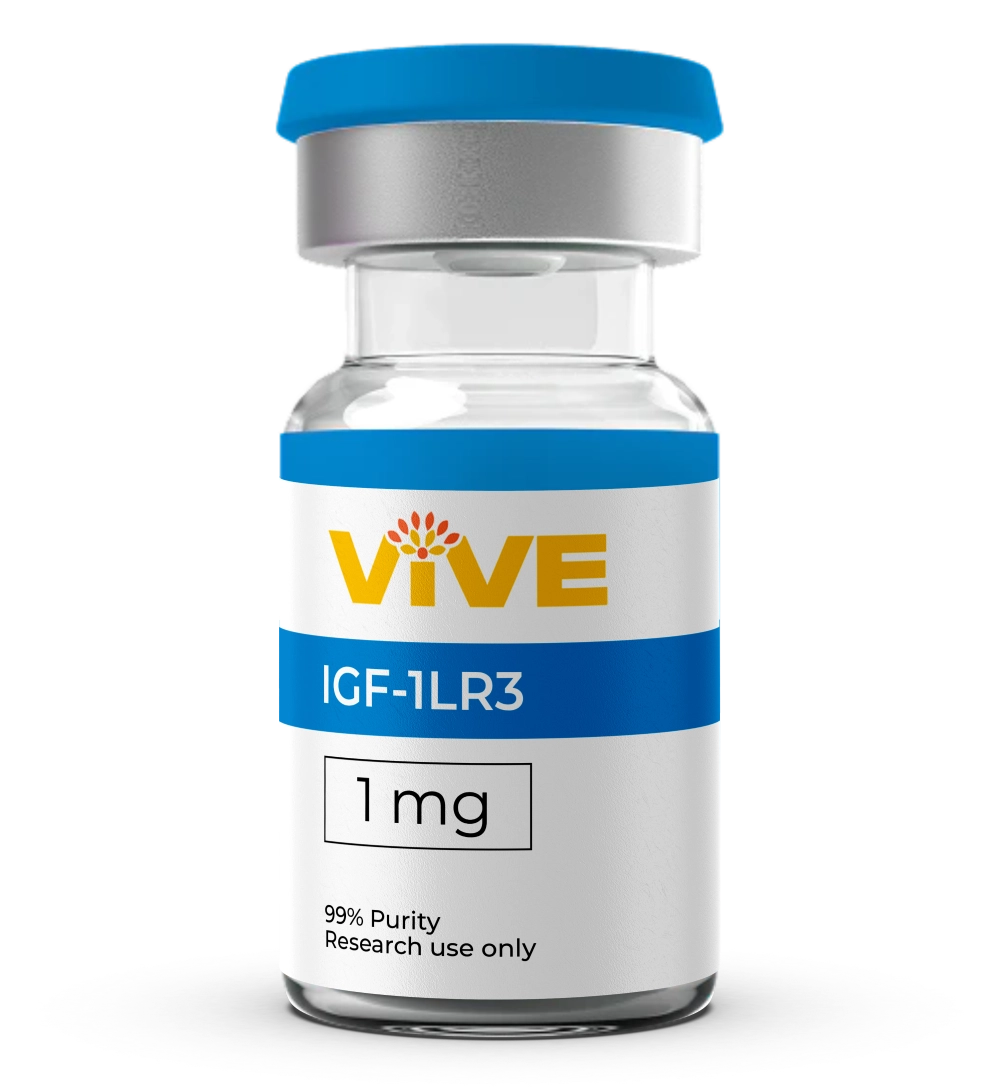
IGF-1 LR3 is a long-acting IGF-1 analog operating downstream of the pituitary axis at peripheral growth factor receptors. All compounds are provided for in vitro and preclinical research use only.
Three Distinct Mechanism Classes
This collection spans GHRH analogs, a ghrelin receptor agonist, and an IGF-1 analog, giving researchers tools to interrogate separate nodes of the somatotropic axis within a single curated supplier relationship. Compound selection can be matched to the specific receptor system under investigation.
Upstream and Downstream Signaling Tools
GHRH analogs and growth hormone releasing peptides act at the pituitary level to stimulate GH secretion, while IGF-1 LR3 acts peripherally at IGF-1 receptors independent of pituitary input. This structural range in the collection allows researchers to study different layers of the growth factor cascade within a consistent quality framework.
Compound Selection for Study Design
Researchers differentiate growth hormone peptides by receptor target, structural half-life, and intended model system. Shorter GHRH analogs suit pulsatile secretion studies, dual-mechanism blends support synergy investigations, and downstream IGF-1 analogs are used when pituitary-independent receptor activation is the research variable.
Compound Comparison
How these compounds compare
| Compound | Mechanism Class | Research Focus | Distinguishing Feature |
|---|---|---|---|
| Sermorelin | GHRH analog (truncated fragment) | Pituitary GH secretion kinetics | 29-amino acid minimal GHRH sequence |
| CJC 1295 No DAC + Ipamorelin Blend | Dual: GHRH analog plus ghrelin receptor agonist | Synergistic GH axis receptor stimulation | Two-receptor mechanism, single preparation |
| Tesamorelin | Full-length stabilized GHRH analog | GHRH receptor binding and GH release | 44-amino acid structure with enhanced stability |
| IGF-1 LR3 | IGF-1 analog (long-acting variant) | Peripheral IGF-1 receptor activation | Bypasses pituitary, extended half-life profile |
Mechanism & Research Context
Mechanism Classes and Preclinical Research Context for GH Peptides
The compounds in this growth hormone secretagogue collection are distinguished by where each acts within the somatotropic signaling cascade. GHRH analogs such as Sermorelin and Tesamorelin bind the GHRH receptor on pituitary somatotroph cells, initiating GH secretion through an adenylyl cyclase-coupled pathway.
The CJC 1295 No DAC and Ipamorelin blend introduces a second receptor class: Ipamorelin acts at the ghrelin receptor (GHS-R1a), engaging a separate intracellular signaling mechanism that preclinical literature has examined for synergistic interaction with GHRH receptor stimulation. IGF-1 LR3 bypasses the pituitary entirely, acting directly at IGF-1 receptors in peripheral tissues and representing a downstream research tool distinct in positional logic from the secretagogue compounds.
Preclinical investigations have applied these compounds to models of GH secretion kinetics, receptor selectivity profiling, and growth factor receptor activation studies. Researchers selecting among these gh peptides typically differentiate on the basis of target receptor, structural half-life, and intended placement within the somatotropic axis, with study design considerations including peptide stability, reconstitution protocol, and in vitro versus in vivo model requirements.
Research FAQ
Frequently asked questions
What are growth hormone peptides in a research context?
What is the mechanistic difference between a GHRH analog and a growth hormone releasing peptide?
How does IGF-1 LR3 differ mechanistically from GHRH analogs like Sermorelin or Tesamorelin?
What distinguishes Sermorelin from Tesamorelin as GH peptide research compounds?
Why do researchers use a CJC 1295 No DAC and Ipamorelin combination rather than either compound alone?
What storage and handling considerations apply to growth hormone peptides in a laboratory setting?
Related Research Collections
Continue exploring
All products are sold strictly for laboratory and scientific research use only. Not for human or animal consumption, diagnostic, or therapeutic use. Nothing on this page constitutes medical advice or a health claim.