
Research Use Only
Peptides for Sleep
Neuropeptides studied in the context of GABAergic signaling, stress modulation, and sleep regulation.
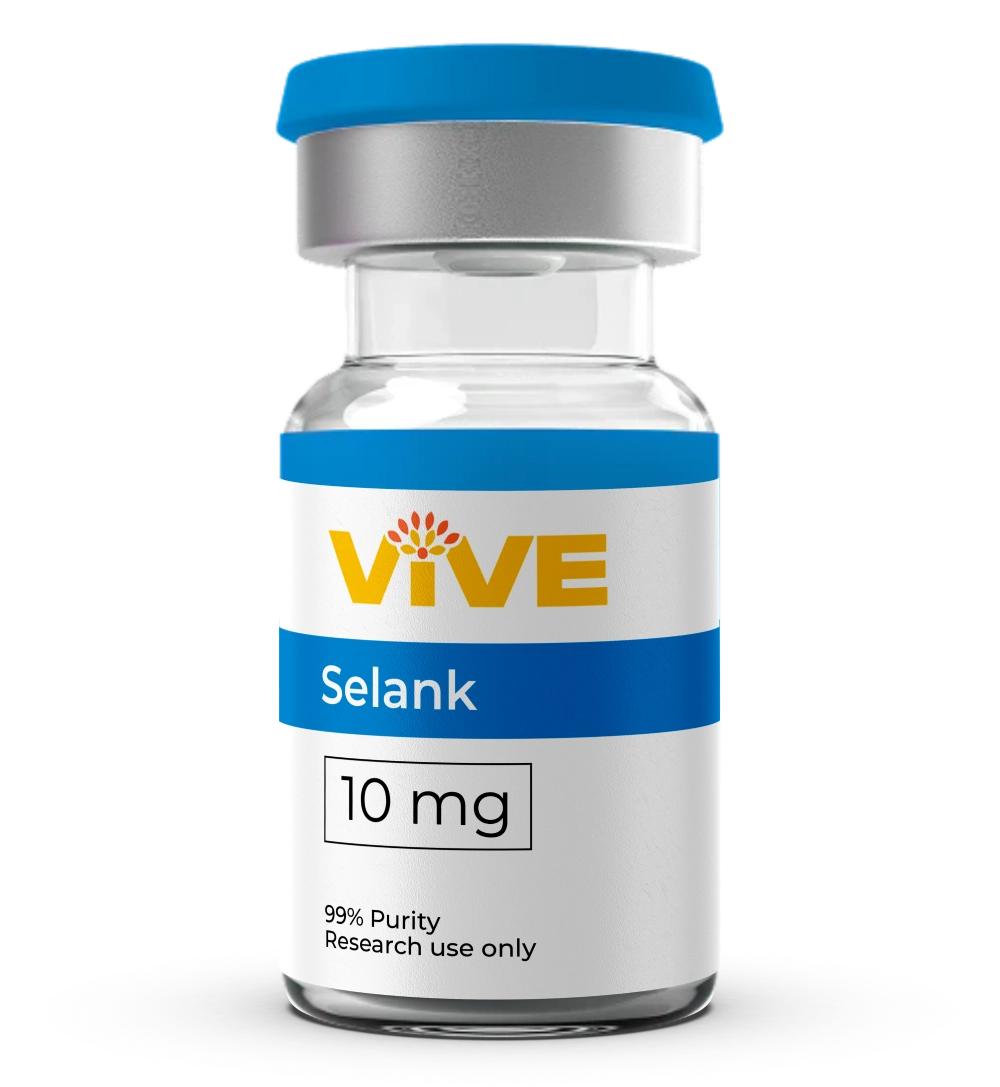
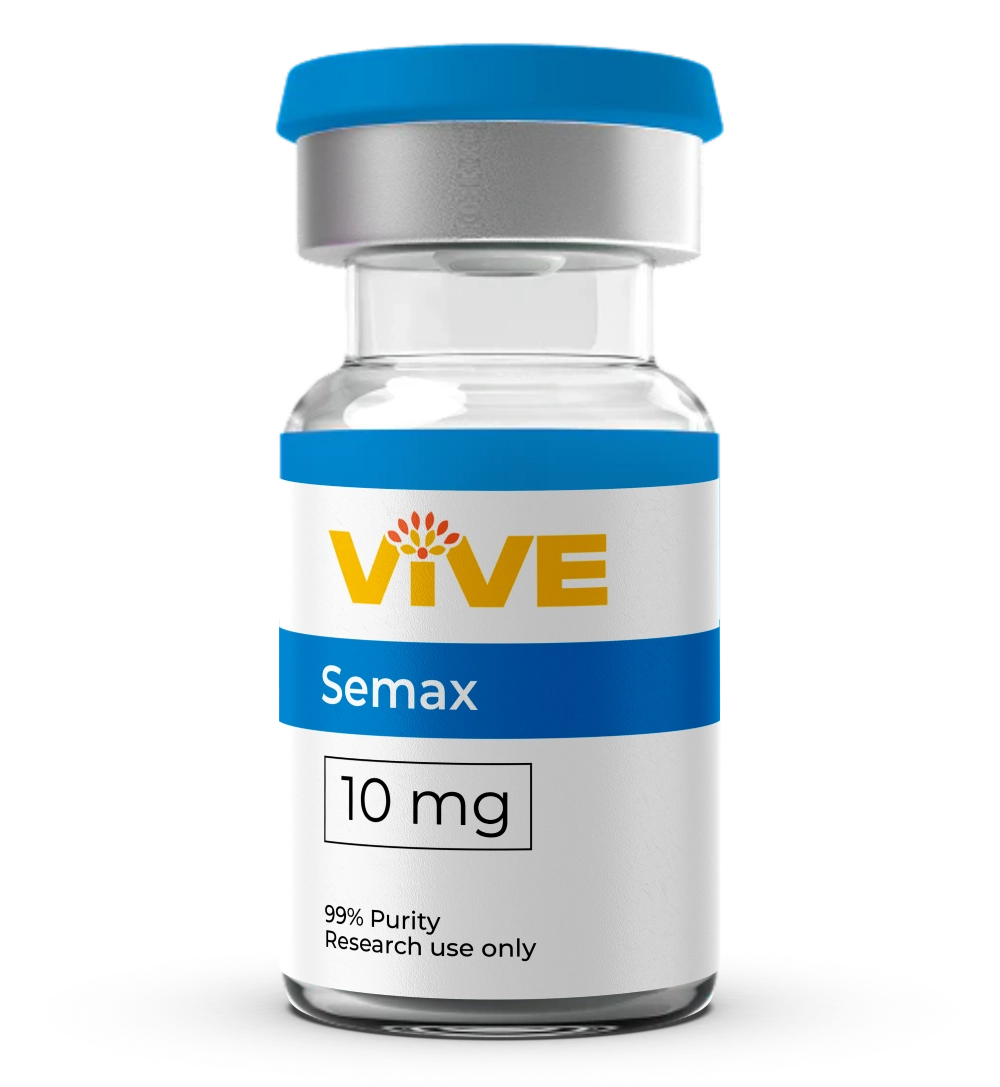
Peptides for Sleep are research compounds studied for their interactions with neurochemical systems involved in sleep architecture, stress-related arousal regulation, and neurotrophic factor signaling. This category at VivePeptides features Selank, a GABAergic-modulatory synthetic peptide, and Semax, a BDNF-pathway neuropeptide analog. Both are investigated exclusively in preclinical and laboratory research contexts, not for human or veterinary use.
Reviewed by the VivePeptides Research DeskLast reviewed
Research Overview
Sleep Peptides as a Research Category: Selank and Semax
The sleep peptides research category encompasses synthetic neuropeptides that interact with neurochemical pathways governing stress response, arousal, and sleep-wake transitions. Researchers have shown sustained interest in this category because disrupted sleep is a prominent feature of numerous neurological and psychiatric conditions studied in animal models.
Two distinct mechanism classes are represented here: GABAergic modulation via Selank and neurotrophic factor signaling via Semax. Selank is a synthetic heptapeptide derived from the immunomodulatory peptide tuftsin, investigated for its effects on GABA-A receptor activity and anxiolytic-like behavior in rodent paradigms.
Semax is an ACTH-derived heptapeptide studied for its capacity to upregulate brain-derived neurotrophic factor (BDNF) and influence dopaminergic tone in stress models. VivePeptides supplies both compounds at research-grade purity with third-party certificate of analysis documentation, supporting rigorous experimental design for investigators working in sleep biology and neuroendocrinology.
Two Distinct Mechanistic Classes
Selank targets GABAergic inhibitory tone and Semax targets neurotrophic signaling, making these compounds appropriate for separate experimental questions rather than interchangeable tools in sleep-related study designs.
Batch-Specific Analytical Documentation
VivePeptides provides lot-specific certificate of analysis data for each compound, including HPLC purity and mass spectrometry confirmation, enabling researchers to verify identity and quality before initiating protocols.
Storage and Reconstitution Considerations
Both Selank and Semax should be stored lyophilized at minus 20 degrees Celsius and reconstituted in sterile aqueous vehicle immediately before use to minimize degradation and reduce variability across study arms.
Mechanism & Research Context
Mechanism Classes and Preclinical Research Context
The mechanism classes in this sleep peptides collection are distinguished by their primary molecular targets: Selank acts principally through enhancement of GABAergic inhibitory tone, while Semax engages neurotrophic signaling cascades, particularly the TrkB pathway activated downstream of BDNF release. Preclinical literature has examined Selank in models of acute and chronic stress, measuring changes in GABA-A receptor subunit expression and sleep architecture parameters in rodents.
Semax research has focused on neuroprotective and neuroplastic endpoints, with some studies investigating its effects on sleep-related biomarkers under stress-induced sleep disruption paradigms. Researchers selecting between these compounds typically consider which pathway is the independent variable of interest in their experimental design.
Both peptides require reconstitution in sterile aqueous vehicle and should be freshly prepared for each study arm. Storage at minus 20 degrees Celsius is recommended for lyophilized stock to preserve structural integrity across extended research programs.
Research FAQ
Frequently asked questions
What are peptides for sleep in a research context?
What mechanism does Selank operate through in sleep-related research?
What mechanism does Semax operate through in sleep-related research?
How do Selank and Semax differ for a researcher designing a sleep study?
What purity and documentation standards should researchers expect for these compounds?
How should Selank and Semax be stored and prepared for laboratory use?
Related Research Collections
Continue exploring
All products are sold strictly for laboratory and scientific research use only. Not for human or animal consumption, diagnostic, or therapeutic use. Nothing on this page constitutes medical advice or a health claim.