
Research Use Only
Nootropic and Cognitive Peptides
Neuropeptides studied in the context of BDNF expression, neuroplasticity, and cognitive signaling.
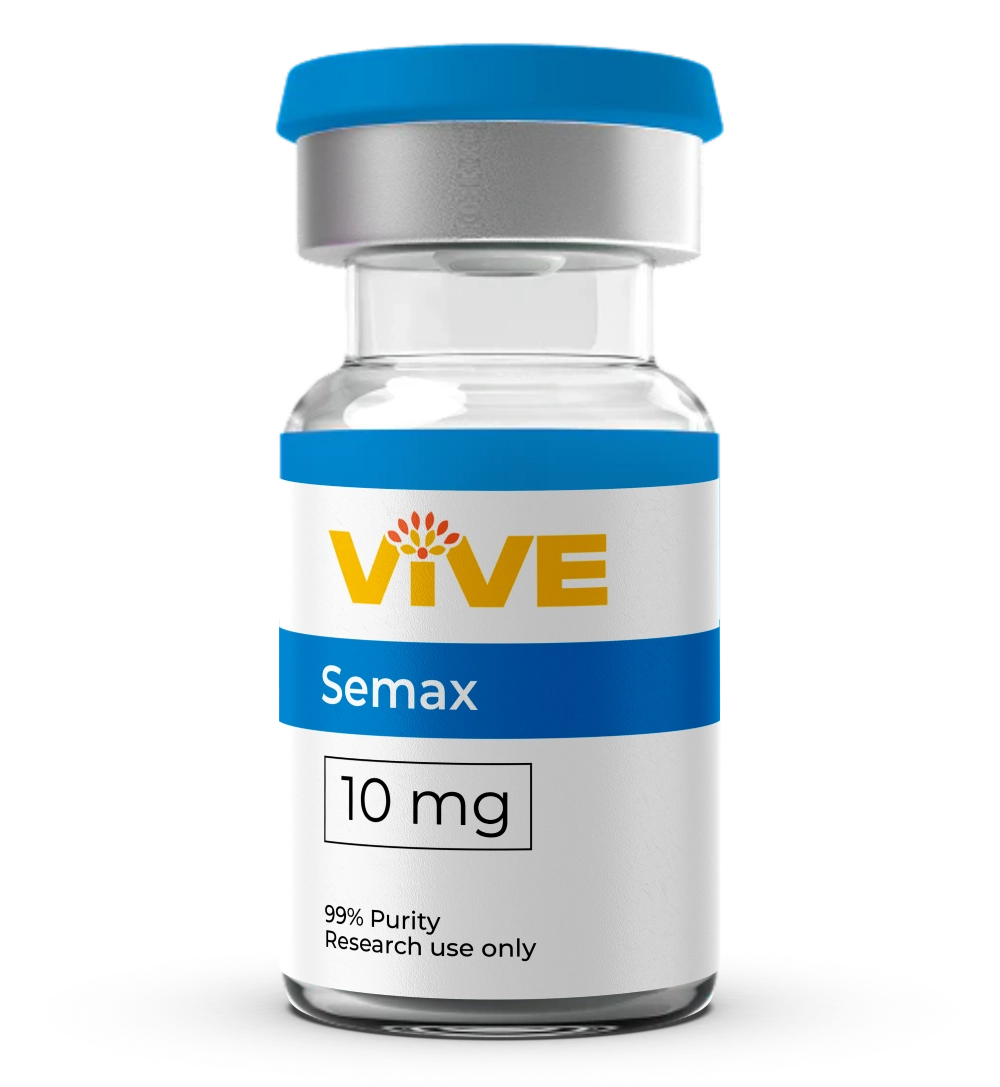
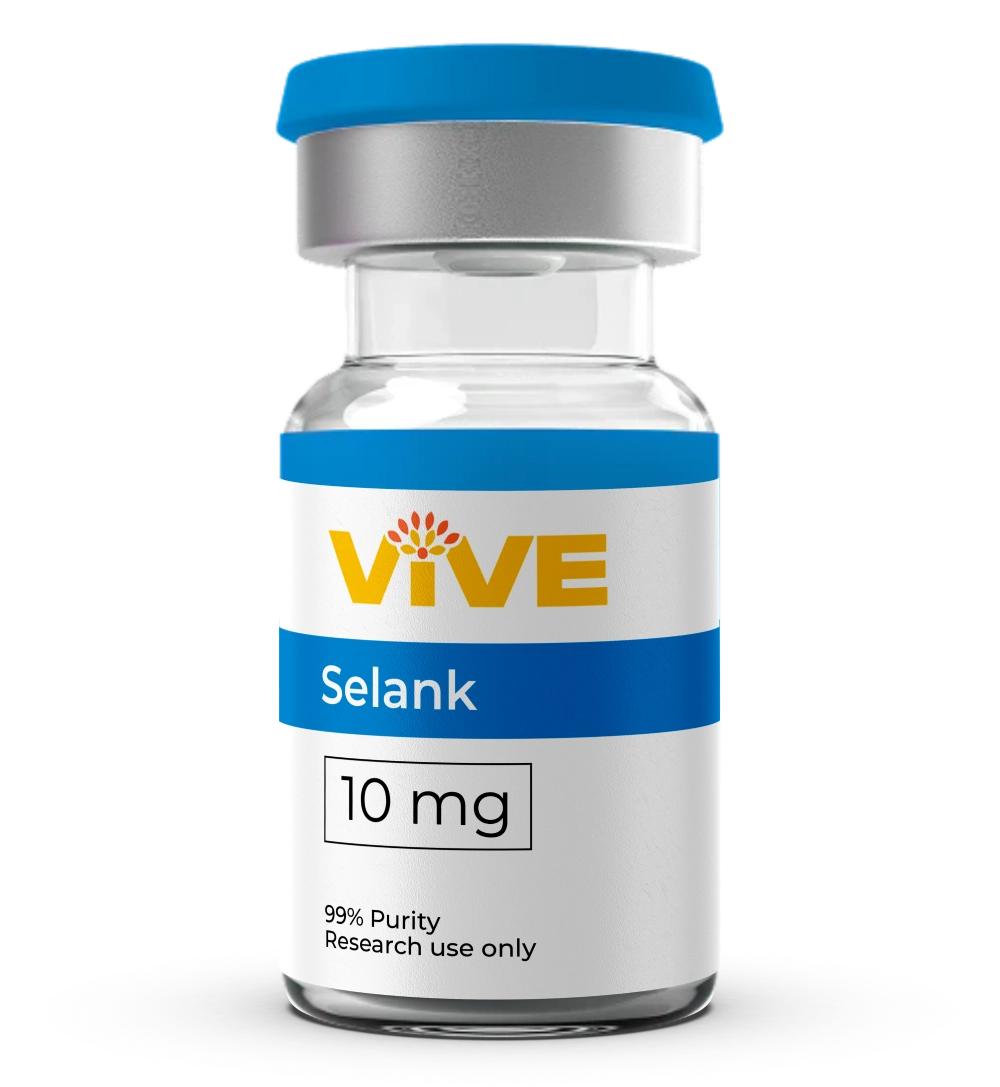
Nootropic and Cognitive Peptides are research compounds studied for their interactions with neurological signaling pathways governing neurotrophic factor expression and stress-response modulation in preclinical models. This category features Semax, a melanocortin-pathway heptapeptide, and Selank, a tuftsin-derived synthetic peptide investigated for GABAergic modulation. All compounds are supplied for laboratory research use only.
Reviewed by the VivePeptides Research DeskLast reviewed
Research Overview
Nootropic and Cognitive Peptides: A Research Category Overview
Nootropic and cognitive peptides are a research category encompassing small neuropeptide sequences investigated for their effects on central nervous system signaling in preclinical laboratory models. This area has become an active field of inquiry as researchers explore how peptide-receptor interactions influence neuroplasticity, neurotrophic factor regulation, and stress-response circuitry at the molecular level.
The collection features two structurally and mechanistically distinct compounds. Semax is a heptapeptide analog of the ACTH(4-10) fragment and belongs to the melanocortin neuropeptide class, studied in preclinical models of neurotrophic signaling and attentional performance.
Selank is a synthetic peptide derived from the immunomodulatory peptide tuftsin, investigated for its modulation of GABAergic tone and anxiety-related behavior in animal models. VivePeptides supplies both compounds at research-grade purity with certificate of analysis and third-party verification data, supporting reproducible laboratory investigation across neuroscience, psychopharmacology, and peptide biochemistry research programs.
Two Distinct Mechanism Classes
Semax and Selank represent separate mechanism classes within cognitive peptide research: Semax targets melanocortin and neurotrophic signaling pathways, while Selank is studied for GABAergic and anxiolytic-adjacent modulation. Selecting the correct compound depends on whether the research question centers on neuroplasticity or stress-response circuitry.
Purity Documentation for Reproducibility
Each cognitive peptide in this collection is supplied with a certificate of analysis and third-party purity verification data for every lot. Consistent documentation standards allow researchers to reference purity metrics in publications and support direct result comparison across experimental runs.
Storage and Handling Considerations
Both Semax and Selank are lyophilized peptides that should be stored at low temperature and reconstituted in sterile aqueous vehicle immediately before experimental use. Researchers should evaluate peptide stability under the specific conditions of their assay protocol as part of study design planning.
Mechanism & Research Context
Mechanism Classes and Preclinical Research Context
Semax and Selank are distinguished by their primary mechanism classes, a distinction that directly shapes compound selection and experimental design. Semax operates through melanocortin receptor pathways and has been investigated in rodent models for its capacity to upregulate brain-derived neurotrophic factor and nerve growth factor expression, effects that are relevant to neuroplasticity and cognitive performance research.
Selank presents a distinct mechanistic profile: preclinical literature has examined its modulation of benzodiazepine-sensitive GABA-A receptor activity alongside reported effects on enkephalin metabolism and cytokine signaling, situating it within stress-response and immune-neural crosstalk research. Researchers typically select Semax for studies centered on neurotrophic signaling cascades and cognitive task endpoints, while Selank is more commonly applied in models of anxiety-related behavior and neuroimmune interaction.
Both peptides require reconstitution in sterile aqueous vehicle and should be stored frozen prior to use. Study design should account for peptide stability under assay conditions and appropriate selection of in vitro or in vivo model systems.
Research FAQ
Frequently asked questions
What are nootropic and cognitive peptides in a research context?
What is Semax and what mechanism class does it belong to?
What is Selank and how does it differ mechanistically from Semax?
How should cognitive peptides like Semax and Selank be stored in a laboratory setting?
What purity and documentation standards apply to cognitive peptides from VivePeptides?
How do researchers choose between the compounds in this cognitive peptide collection?
Related Research Collections
Continue exploring
All products are sold strictly for laboratory and scientific research use only. Not for human or animal consumption, diagnostic, or therapeutic use. Nothing on this page constitutes medical advice or a health claim.