
Research Use Only
Peptides for Anxiety
Neuropeptides studied in the context of anxiolytic signaling, GABA modulation, and the stress response.
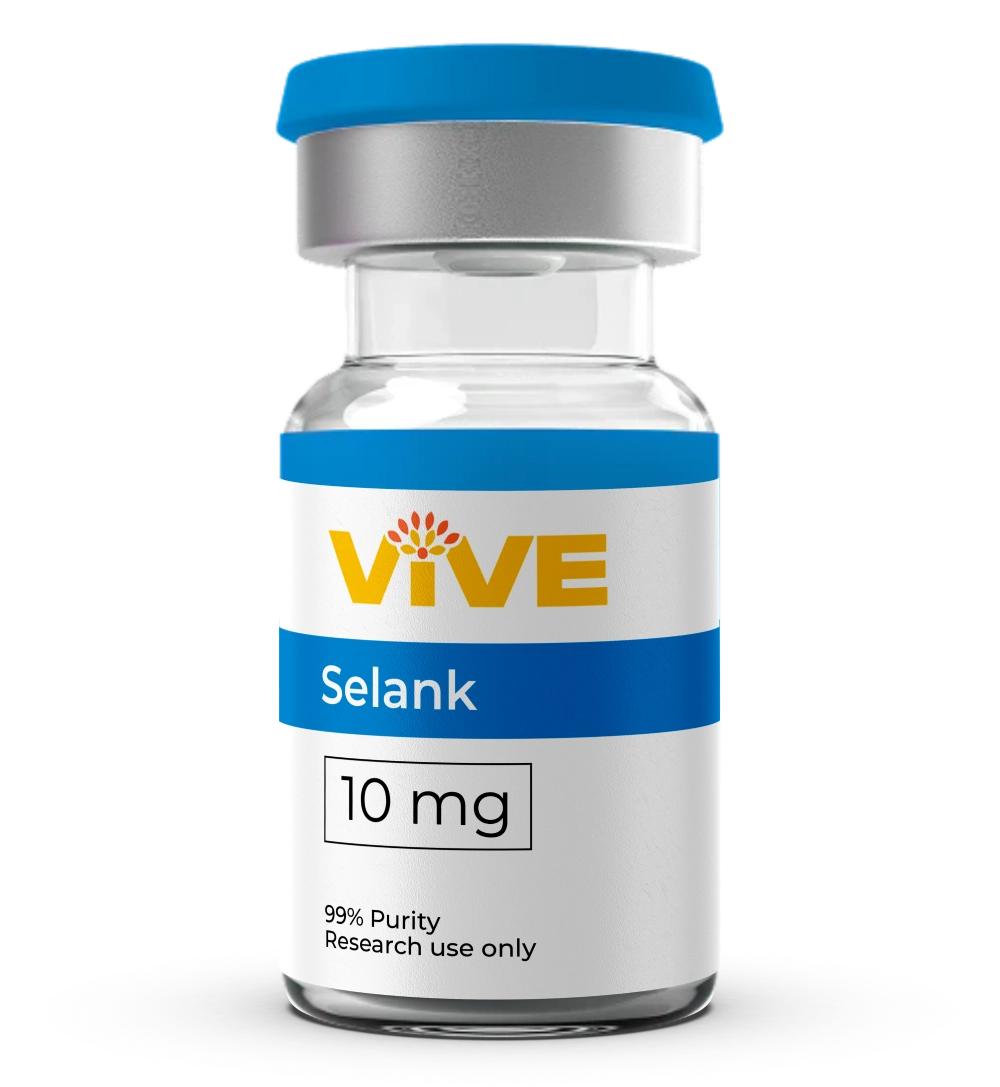
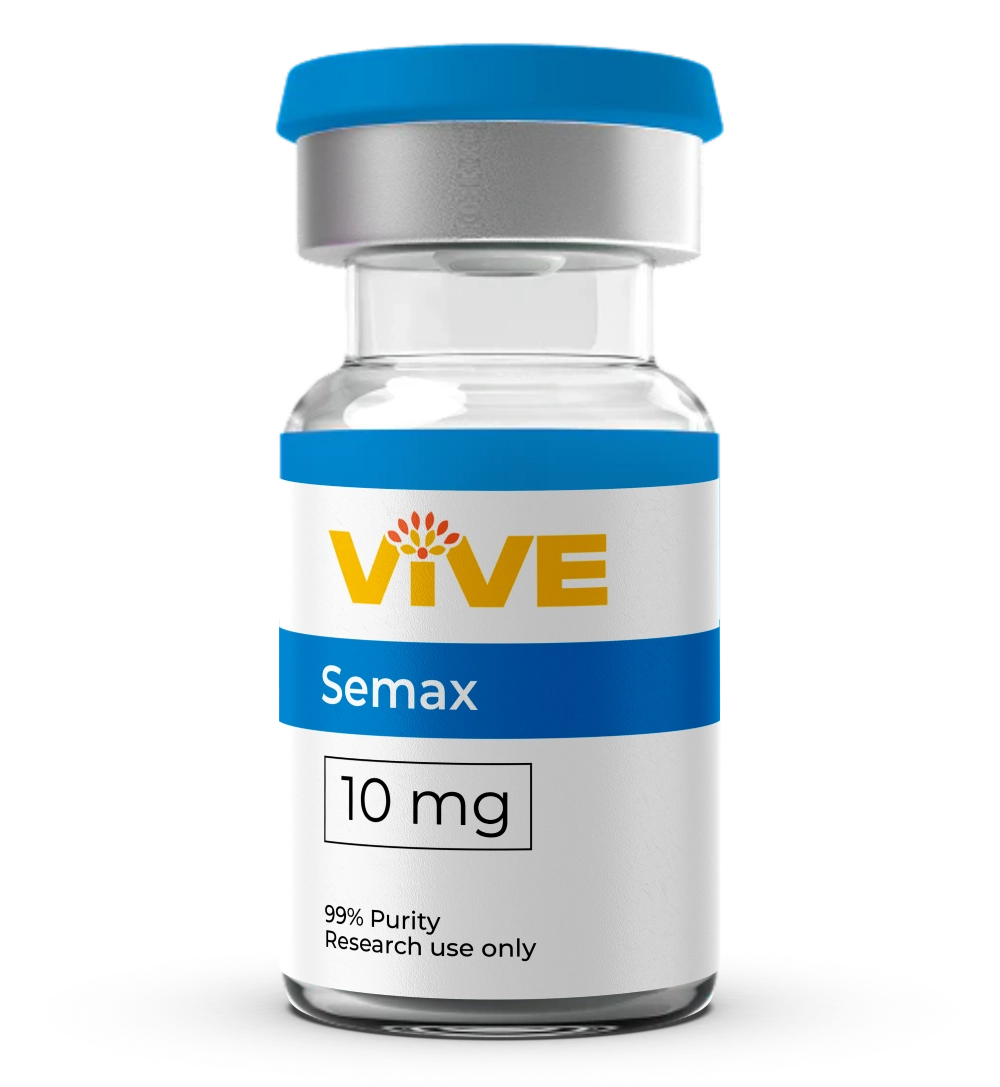
Peptides for Anxiety are research compounds studied for their capacity to modulate neurotransmitter systems and stress-response pathways implicated in anxiety-related signaling. This category features Selank, a tuftsin-derived peptide investigated for GABAergic modulation, and Semax, an ACTH analog studied for neuropeptide-driven HPA axis and neurotrophic factor effects. All compounds are intended for preclinical and in vitro research use only.
Reviewed by the VivePeptides Research DeskLast reviewed
Research Overview
Anxiety Peptides Research: What This Category Encompasses
The anxiety peptides research category encompasses synthetic neuropeptides investigated for their roles in modulating stress-related signaling pathways in preclinical models. This is an active area of inquiry because anxiety-related neurological mechanisms involve multiple interacting systems, including GABAergic inhibition, HPA axis regulation, and neurotrophic factor expression.
Two primary compounds represent this space at VivePeptides: Selank, a heptapeptide analog of the immunomodulatory peptide tuftsin, has been studied for its capacity to influence GABA-A receptor activity and upregulate BDNF expression in rodent models. Semax, a synthetic analog of ACTH(4-7), has been investigated for its effects on HPA axis signaling and neuroprotective gene expression under stress conditions.
VivePeptides supplies both compounds at research-grade purity with accompanying certificates of analysis, supporting investigators who require documented quality standards for study reproducibility and regulatory compliance in preclinical settings.
Two Distinct Mechanism Classes
Selank operates through GABAergic and neurotrophic signaling pathways, while Semax is investigated through neuropeptide receptor-mediated HPA axis modulation. Researchers select between them based on which neurological axis their study is designed to interrogate.
Batch-Specific Purity Documentation
VivePeptides provides certificates of analysis for each lot of Selank and Semax, enabling investigators to verify identity and purity prior to use. Documented quality standards are a practical requirement for study reproducibility and protocol traceability in preclinical research settings.
Cold-Chain Handling Requirements
Both Selank and Semax require cold-chain storage to preserve peptide integrity across the duration of a study. Researchers should follow reconstitution and aliquoting protocols established in the preclinical literature to maintain compound stability between experimental sessions.
Mechanism & Research Context
Mechanism Classes and Preclinical Research Context
What distinguishes the mechanism classes in this collection is the divergence between direct GABAergic modulation, as seen with Selank, and neuropeptide-driven transcriptional effects, as characterized in Semax research. Preclinical literature has examined Selank primarily in rodent open-field and elevated-plus-maze paradigms, where GABAergic potentiation and BDNF upregulation have been reported as central mechanistic candidates.
Semax studies have focused on HPA axis modulation and ACTH-receptor binding, with additional investigation into BDNF and NGF expression under induced stress conditions. Researchers selecting between these compounds typically do so based on the signaling pathway of primary interest: GABAergic inhibition versus neuropeptide receptor-mediated transcriptional responses.
Practical study design considerations include route of administration conventions documented in the literature, the stability profiles of each peptide under laboratory storage conditions, and the assay endpoints most sensitive to each mechanism class. Both compounds require standard cold-chain handling and should be reconstituted per established protocols.
Research FAQ
Frequently asked questions
What are peptides for anxiety investigated for in research?
What is Selank and what mechanism class is it associated with?
What is Semax and how does its mechanism class differ from Selank?
How do researchers typically choose between Selank and Semax for an anxiety-related study?
What purity and documentation standards should researchers expect for anxiety research peptides?
What are the storage and handling requirements for Selank and Semax?
Related Research Collections
Continue exploring
All products are sold strictly for laboratory and scientific research use only. Not for human or animal consumption, diagnostic, or therapeutic use. Nothing on this page constitutes medical advice or a health claim.