
Research Use Only
Peptides for Bodybuilding
Growth-factor, secretagogue, and mitochondrial research peptides studied in the context of body-composition models.
Peptides for Bodybuilding are research compounds studied for their roles in growth hormone axis regulation, IGF-1 receptor signaling, and mitochondrial metabolic modulation. This category includes GHRH receptor agonists, GH secretagogues, IGF-1 receptor analogs, and mitochondria-derived peptides. All compounds are intended exclusively for in vitro and preclinical research use and are not approved for human administration.
Reviewed by the VivePeptides Research DeskLast reviewed
Research Catalog
Compounds in this collection
Research Overview
Bodybuilding Peptides: A Research Category Overview
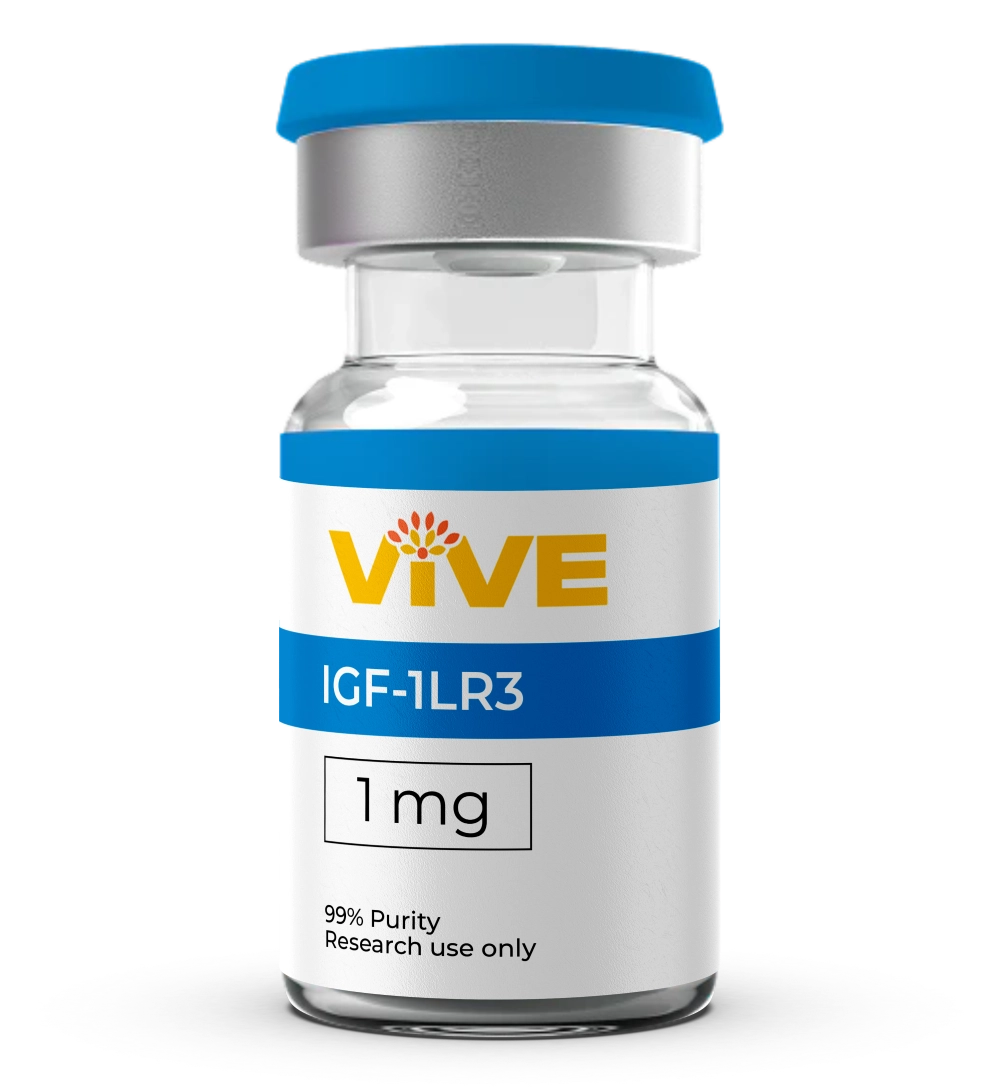
The Peptides for Bodybuilding research category encompasses compounds that modulate the growth hormone axis, IGF-1 receptor signaling pathways, and mitochondrial energy metabolism. These distinct mechanism classes have made this an active area of preclinical investigation, with researchers examining how each compound influences anabolic and metabolic signaling in cell and animal models. IGF-1 LR3 is an extended half-life IGF-1 analog that engages insulin-like growth factor receptors directly.
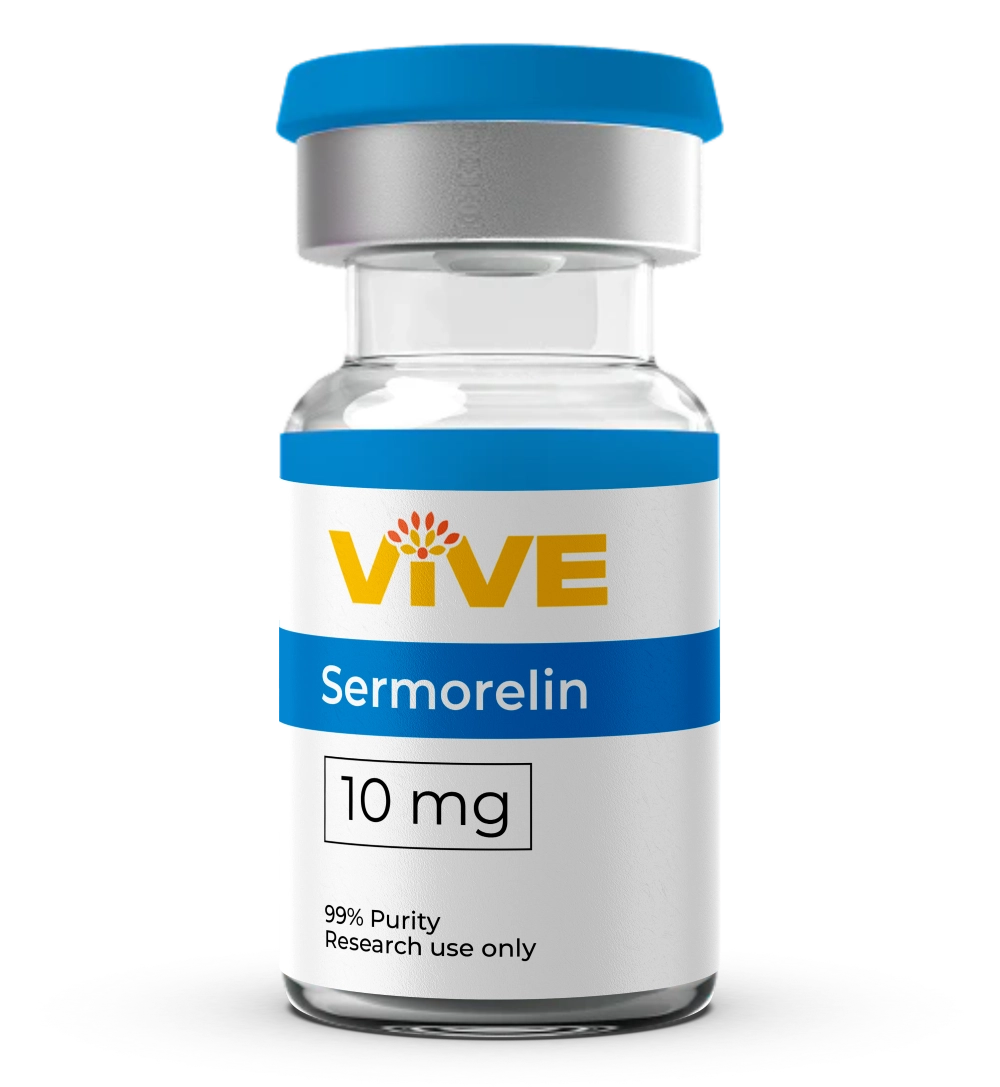
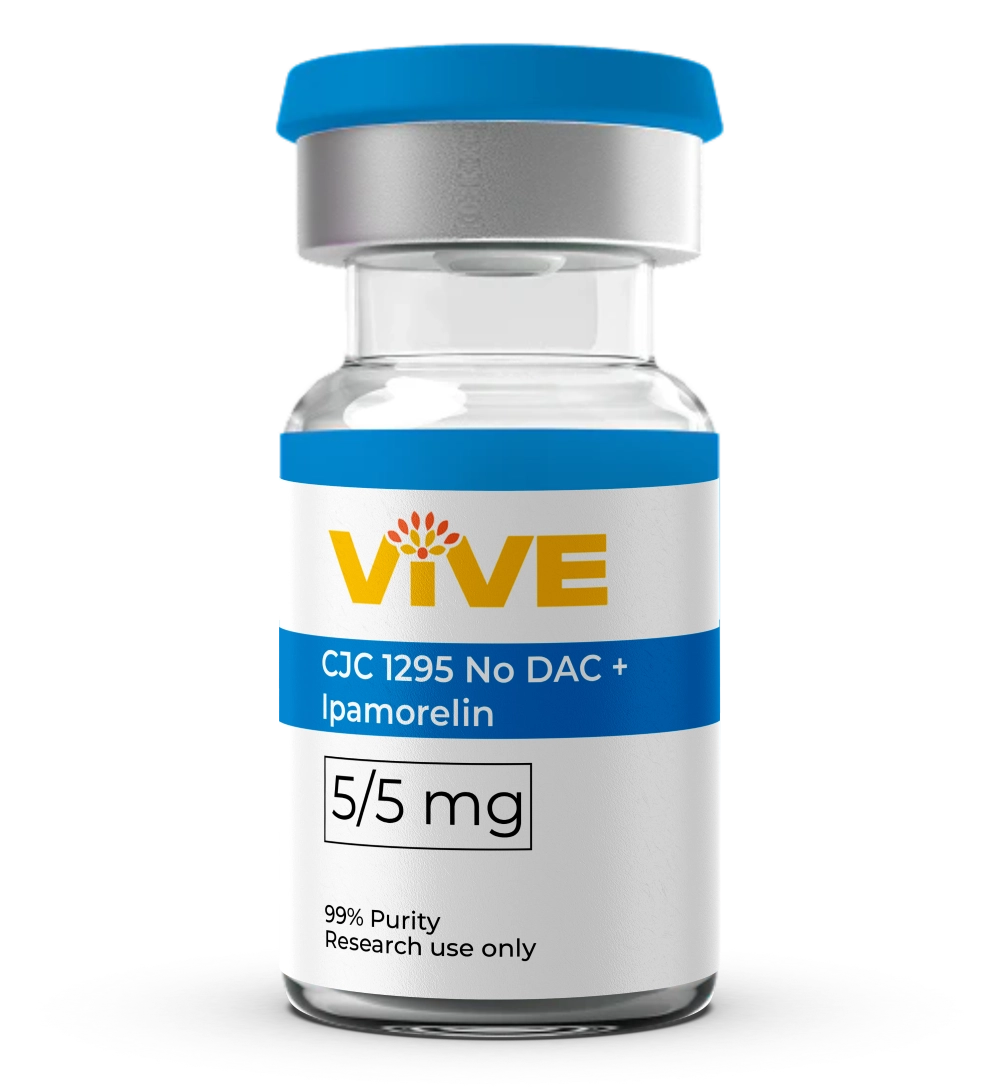
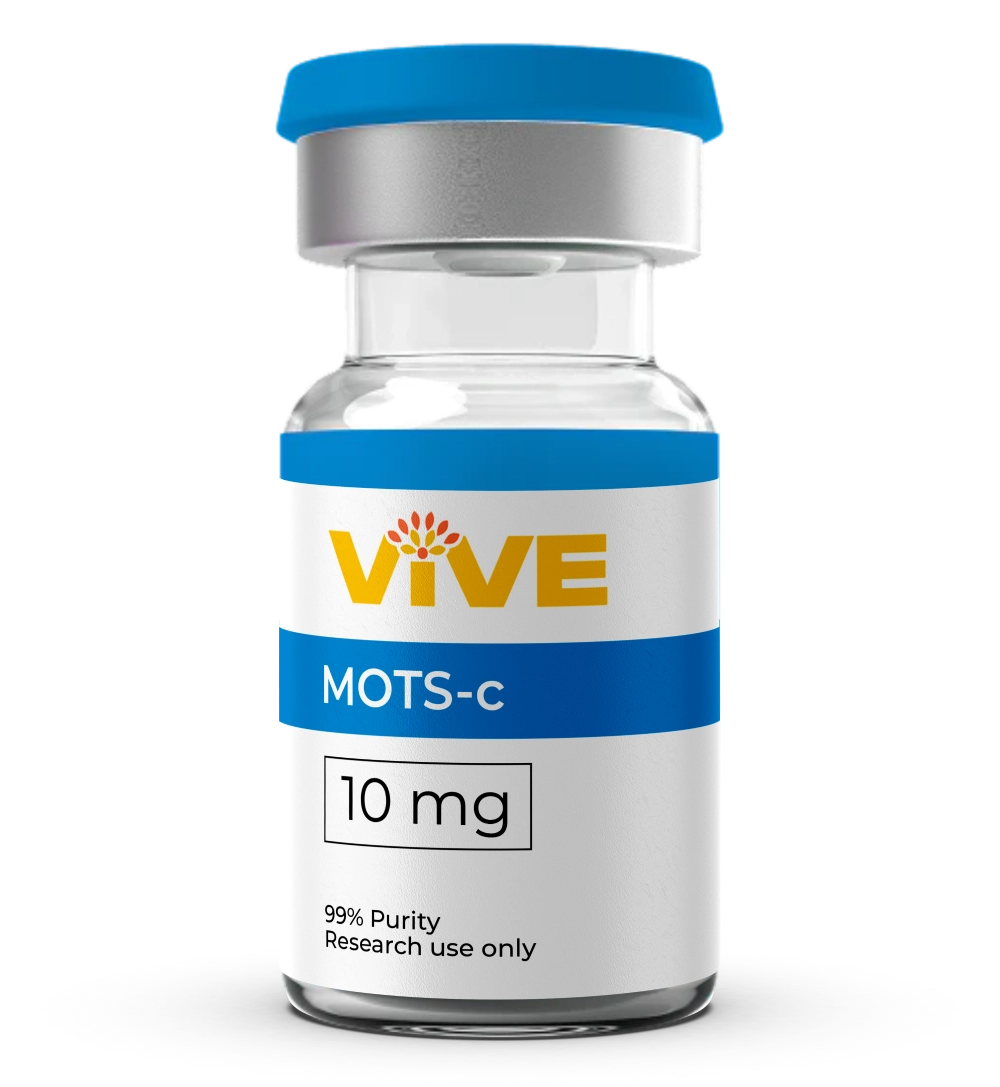
Sermorelin is a GHRH analog studied for stimulating endogenous GH secretion from pituitary somatotroph cells. CJC 1295 No DAC combined with Ipamorelin is a dual-pathway formulation pairing a GHRH analog with a selective GH secretagogue for synergistic GH axis investigation. MOTS-c is a mitochondrial-derived peptide investigated for AMPK pathway activation and cellular metabolic regulation.
VivePeptides supplies all four compounds with documented purity standards to support rigorous, reproducible research.
Four Distinct Mechanism Classes
This collection spans IGF-1 receptor agonism, GHRH receptor stimulation, dual-pathway GH secretagogue blending, and mitochondrial AMPK modulation, giving researchers access to multiple points of intervention within the anabolic and metabolic signaling network.
Purity Documentation for Reproducible Research
Each compound in this collection is supplied with a certificate of analysis, supporting the quality standards required for reproducible preclinical study design and peer-reviewed research.
Matching Compounds to Research Targets
Selecting the right peptide for a bodybuilding-related research model depends on whether the study targets pituitary GH secretion, peripheral IGF-1 receptor activation, dual-axis GH stimulation, or mitochondrial metabolic pathways, as each compound addresses a distinct signaling node.
Compound Comparison
How these compounds compare
| Compound | Mechanism Class | Research Focus | Distinguishing Feature |
|---|---|---|---|
| IGF-1 LR3 | IGF-1 receptor agonist | Anabolic signaling, protein synthesis models | Extended half-life vs. native IGF-1 |
| Sermorelin | GHRH receptor agonist | Pituitary GH secretion, somatotroph function | Shortest active GHRH analog fragment studied |
| CJC 1295 No DAC + Ipamorelin Blend | Dual GHRH analog plus GH secretagogue | Synergistic GH axis stimulation | Complementary dual-receptor pathway formulation |
| MOTS-c | Mitochondrial-derived peptide, AMPK modulator | Metabolic regulation, energy homeostasis | Mitochondrial genome-encoded mitokine |
Mechanism & Research Context
Mechanism Classes and Preclinical Research Context
What distinguishes the mechanism classes in this collection is the diversity of entry points into anabolic and metabolic signaling. IGF-1 LR3 acts downstream of the GH axis by binding insulin-like growth factor receptors directly, bypassing hypothalamic and pituitary regulation entirely.
Sermorelin and the CJC 1295 No DAC component both target GHRH receptors at the pituitary, though they differ in half-life characteristics studied in preclinical GH secretion models. Ipamorelin, the secretagogue component of the blend, acts at ghrelin receptors (GHSR-1a), a complementary pathway that preclinical literature has examined for additive GH release when co-administered with GHRH analogs.
MOTS-c operates through a separate mechanism, with research investigating its AMPK-mediated effects on mitochondrial function and cellular energy homeostasis. Researchers selecting between these compounds typically factor in target pathway specificity, desired GH axis entry point, and model organism when designing protocols.
Research FAQ
Frequently asked questions
What are the best peptides for bodybuilding research?
How does IGF-1 LR3 differ mechanistically from Sermorelin in preclinical research?
What is the research rationale for combining CJC 1295 No DAC with Ipamorelin?
What mechanism class does MOTS-c belong to, and how does it differ from GH axis peptides?
Are peptides for bodybuilding research approved for human administration?
What storage and handling conditions do bodybuilding research peptides require?
Related Research Collections
Continue exploring
All products are sold strictly for laboratory and scientific research use only. Not for human or animal consumption, diagnostic, or therapeutic use. Nothing on this page constitutes medical advice or a health claim.