
Research Use Only
Peptides for Libido and Sexual Health
Melanocortin-receptor research peptides studied in the context of central arousal and sexual-response pathways.
Peptides for Libido and Sexual Health are research compounds studied for their interactions with melanocortin receptor systems, particularly MC3R and MC4R pathways investigated in preclinical models of sexual arousal and desire. This category features PT-141 and Melanotan 2, two melanocortin receptor agonists with overlapping but distinct receptor binding profiles, supplied for laboratory research purposes only.
Reviewed by the VivePeptides Research DeskLast reviewed
Research Overview
PT-141 and Melanotan 2: Melanocortin-Pathway Peptides for Preclinical Research
This research category encompasses melanocortin receptor-targeting peptides investigated for their roles in centrally mediated physiological signaling pathways. Preclinical interest in this area has grown because the melanocortin system, specifically the MC3 and MC4 receptor subtypes, appears to modulate neural circuits associated with arousal-related behavior in animal models.
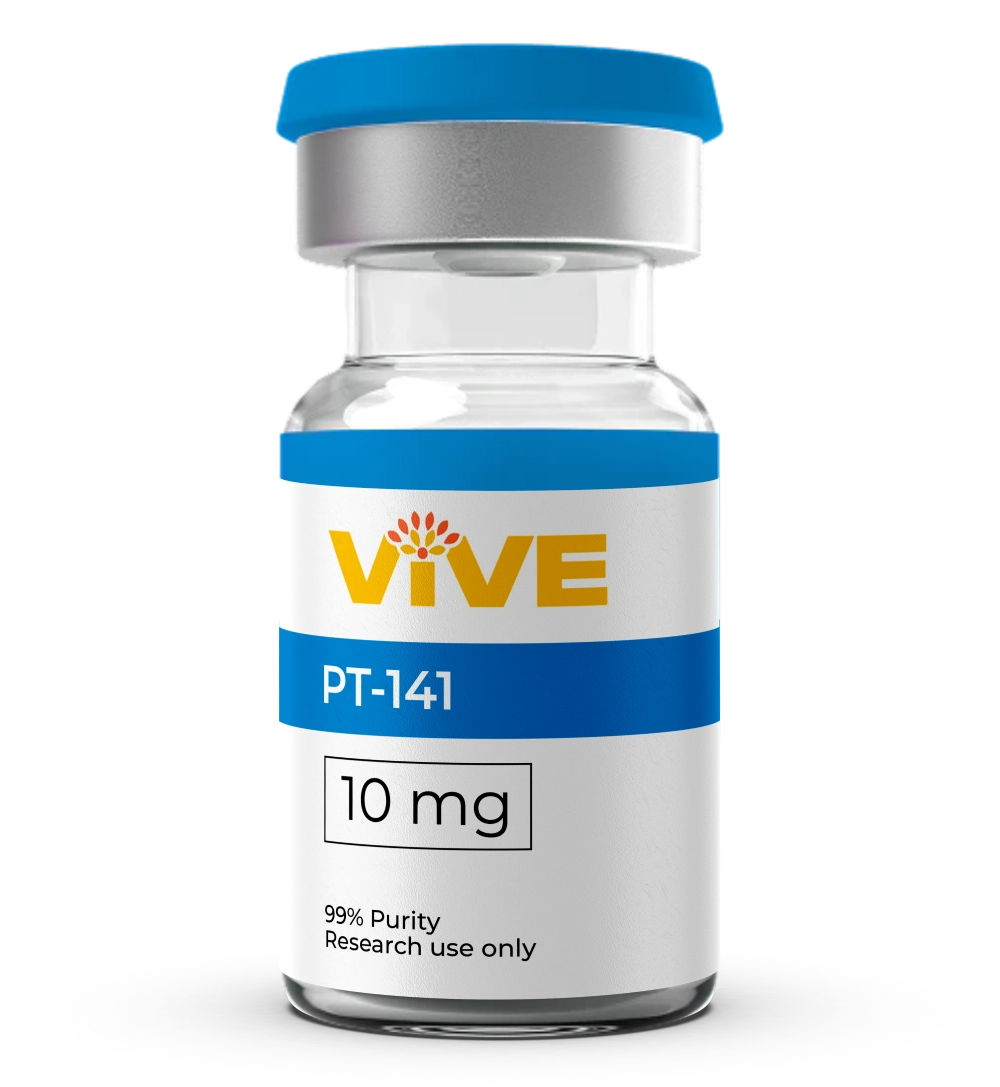
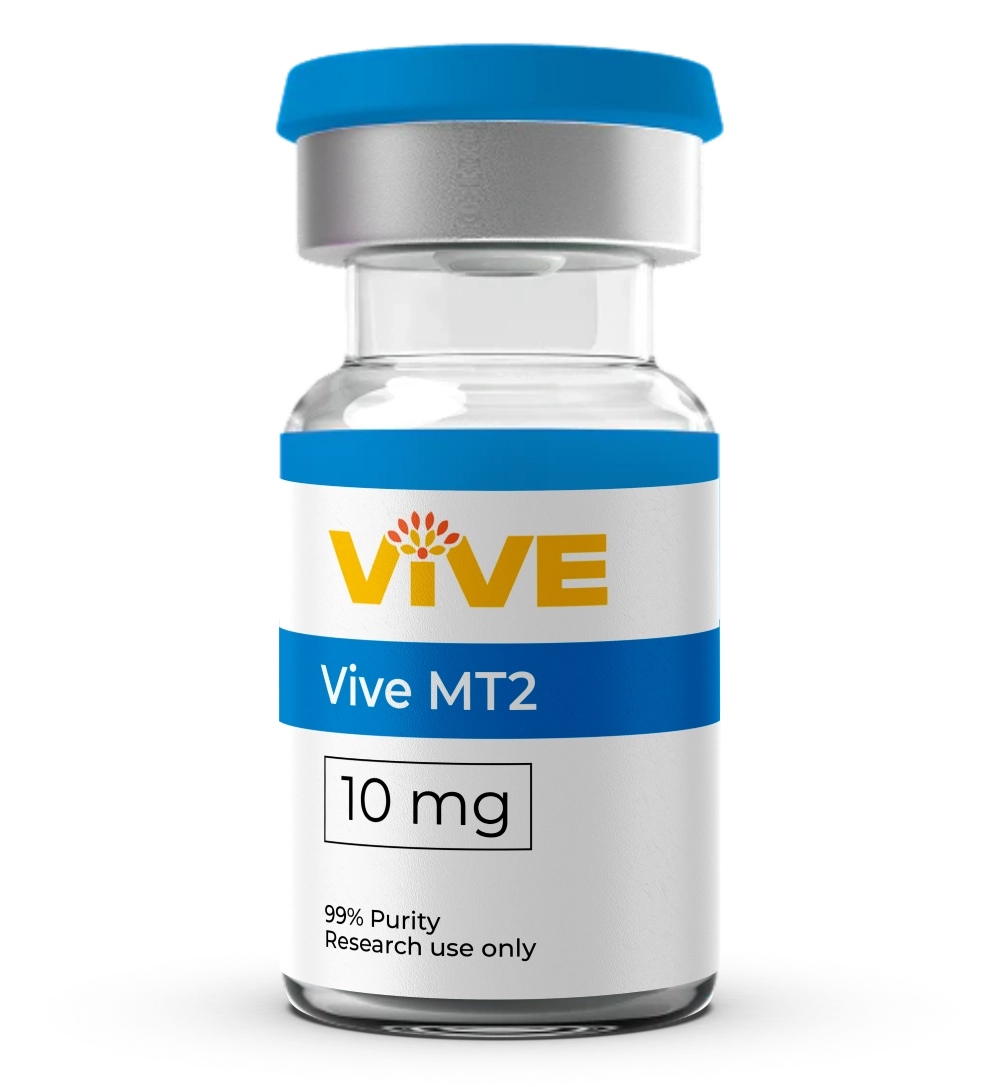
VivePeptides supplies PT-141 (bremelanotide) and Melanotan 2 (MT2), both synthesized to high-purity standards with certificates of analysis available for every lot. PT-141 is a cyclic heptapeptide analog of alpha-MSH that functions as a melanocortin receptor agonist, with binding selectivity relevant to central nervous system signaling studies.
MT2 is a synthetic cyclic analog of alpha-MSH with a broader receptor binding profile that includes MC1R, making it of additional interest in pigmentation and metabolic research contexts. Both compounds are provided for in vitro and preclinical research use only and are not intended for human or veterinary use.
Melanocortin Receptor Selectivity Compared
PT-141 binds preferentially to MC3R and MC4R, while MT2 engages a broader profile that includes MC1R, allowing researchers to select the compound most appropriate for their receptor-specific study design. This distinction is a primary factor in compound selection for studies isolating arousal-related versus pigmentation-related melanocortin signaling.
Purity and Lot Documentation
Every batch of PT-141 and MT2 supplied by VivePeptides includes a certificate of analysis verifying peptide identity and purity, supporting reproducibility and documentation standards in preclinical research. Researchers can request lot-specific documentation to satisfy institutional and regulatory recordkeeping requirements.
Storage and Reconstitution Considerations
Both peptides require lyophilized storage at low temperature and protection from light to preserve stability prior to use. Researchers should follow validated reconstitution procedures, using an appropriate solvent and working concentration consistent with the study protocol, to maintain compound integrity across experimental timepoints.
Mechanism & Research Context
Mechanism Classes and Research Context for Libido-Related Peptide Studies
What distinguishes the compounds in this collection is the specificity of their melanocortin receptor binding profiles and the downstream signaling pathways each activates. PT-141 binds preferentially to MC3R and MC4R and has been investigated in rodent models for its effects on centrally mediated arousal-related behavior, with research noting that its mechanism proceeds independently of peripheral vascular pathways.
MT2 engages MC1R in addition to MC3R and MC4R, producing a broader activity profile relevant to researchers studying pigmentation, energy regulation, and arousal-related endpoints in parallel. Preclinical literature has examined dose-response relationships, receptor occupancy, and behavioral correlates in animal models for both compounds.
Researchers selecting between PT-141 and MT2 often consider the desired receptor selectivity, the study endpoint, and the need to isolate central versus peripheral signaling effects. Proper reconstitution, cold-chain storage, and validated handling protocols are essential to preserve peptide integrity across experimental timepoints.
Research FAQ
Frequently asked questions
What are libido peptides in the context of laboratory research?
What is PT-141 and how does it function in preclinical models?
How does Melanotan 2 differ from PT-141 in preclinical studies?
Are peptides studied for libido research the same as peptides investigated in ED models?
What storage and handling conditions apply to PT-141 and Melanotan 2?
Where can researchers source research-grade PT-141 and Melanotan 2 with verified purity?
Related Research Collections
Continue exploring
All products are sold strictly for laboratory and scientific research use only. Not for human or animal consumption, diagnostic, or therapeutic use. Nothing on this page constitutes medical advice or a health claim.