
Research Use Only
Peptides for Energy
Peptides investigated in the context of mitochondrial biogenesis, NAD+ metabolism, and cellular bioenergetics.
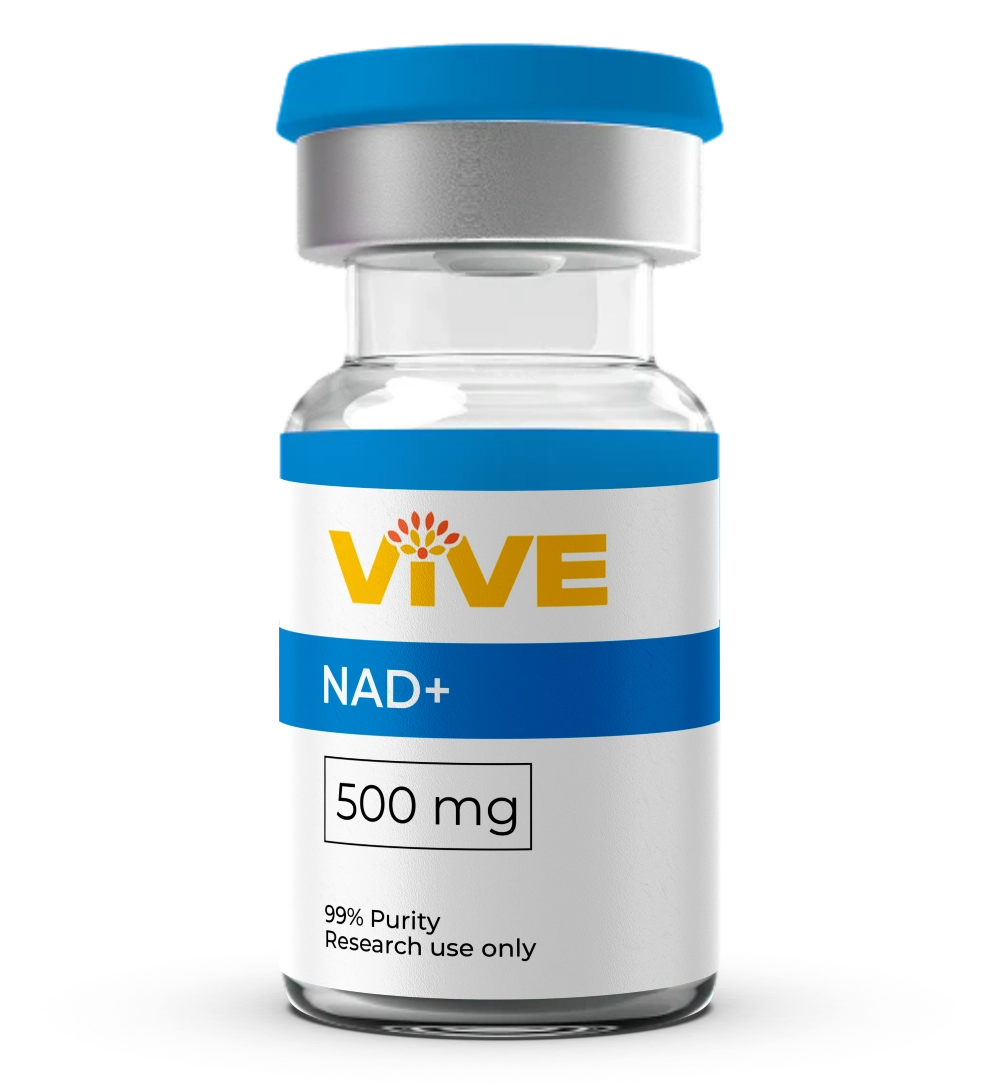
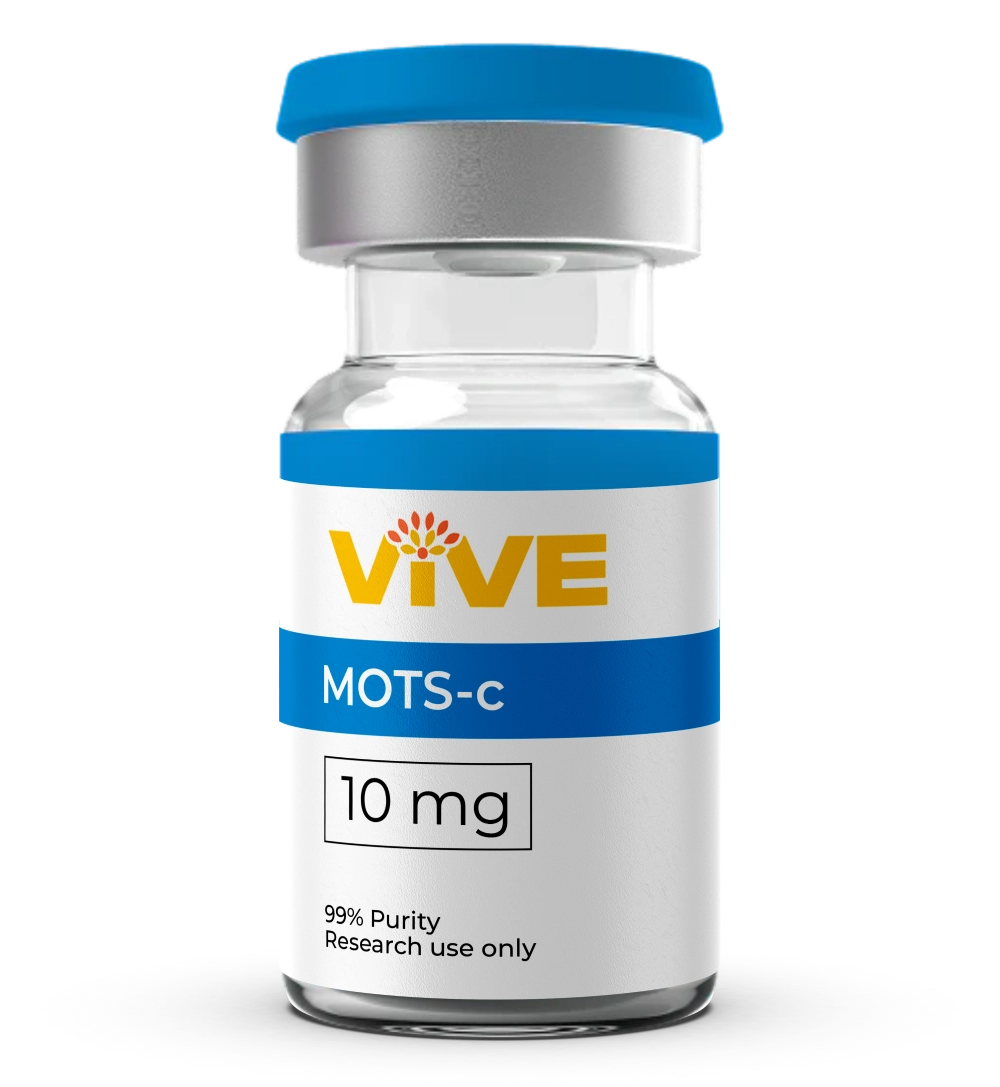
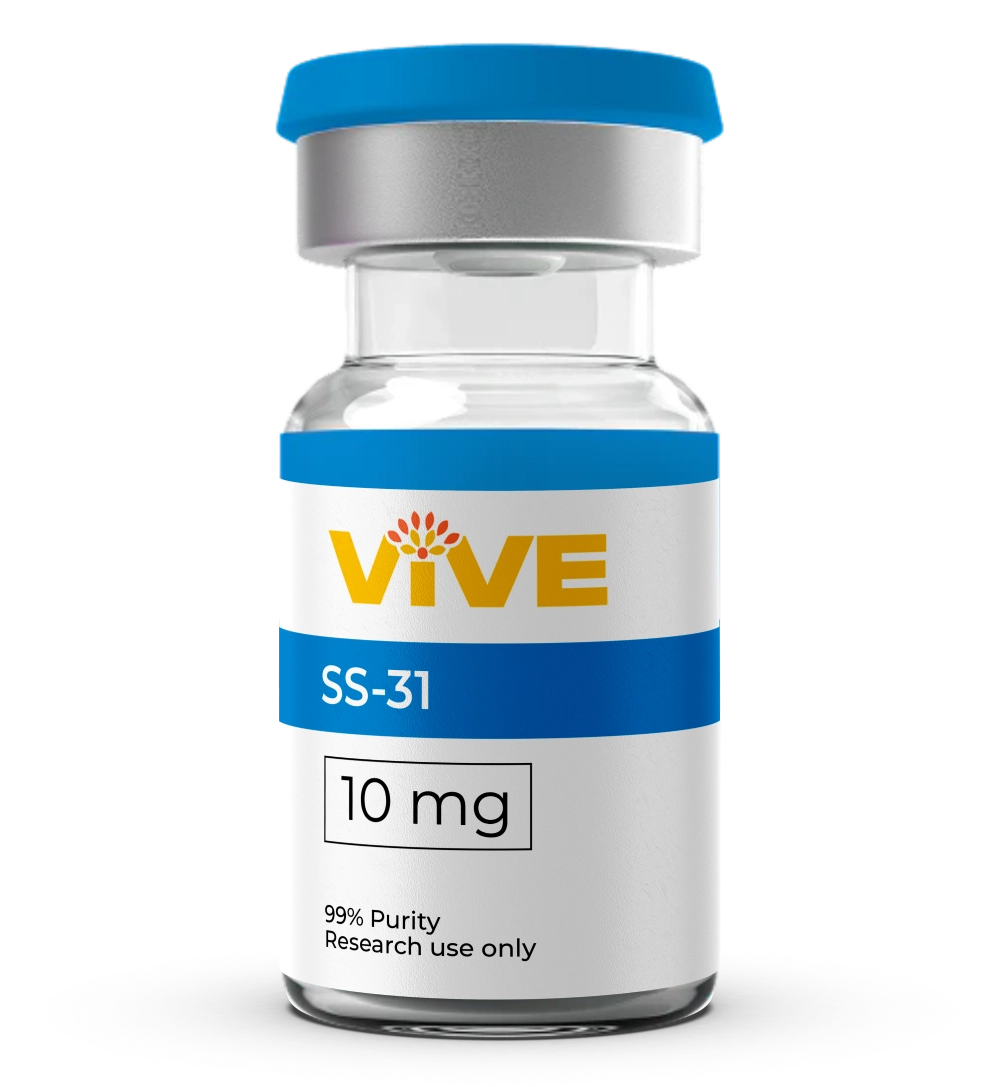
Peptides for Energy are research compounds studied for their roles in cellular bioenergetics, mitochondrial function, and metabolic signaling pathways. This category includes NAD+ (a coenzyme examined in sirtuin and redox signaling research), MOTS-c (a mitochondria-derived peptide investigated for AMPK pathway activation), and SS-31 (a mitochondria-targeting tetrapeptide studied for cardiolipin interaction). All compounds are for preclinical research use only.
Reviewed by the VivePeptides Research DeskLast reviewed
Research Overview
Energy Peptides: A Research Category Built Around Mitochondrial and Metabolic Mechanisms
The peptides for energy research category encompasses compounds investigated for their interactions with cellular energy-generation systems, particularly mitochondrial function, metabolic enzyme pathways, and NAD-dependent signaling cascades. Identifying the best peptides for energy pathway research depends on matching mechanism class to the specific target under investigation, as distinct molecular targets require distinct tool compounds. Three mechanism classes are represented in this collection.
NAD+ is a coenzyme and central node in cellular redox chemistry, examined in models of sirtuin pathway activation and PARP-mediated signaling. MOTS-c is a mitochondria-derived peptide encoded in mitochondrial DNA, investigated for its role in AMPK activation and glucose metabolism regulation. SS-31 is a mitochondria-targeting tetrapeptide studied for its interaction with cardiolipin within the inner mitochondrial membrane.
VivePeptides supplies each compound with documented purity specifications and certificates of analysis, supporting reproducible laboratory research.
Three Distinct Mitochondrial Mechanisms
NAD+, MOTS-c, and SS-31 each engage a different point in the bioenergetic cascade, from upstream redox enzyme activity to mitochondria-encoded peptide signaling to direct inner membrane cardiolipin interaction. Researchers can target upstream, midstream, or membrane-level nodes depending on their model.
Analytical Documentation for Every Compound
Each energy peptide in this collection is supplied with a certificate of analysis confirming purity by HPLC and mass spectrometry identity, meeting the documentation standards expected in preclinical publication. Verified purity reduces the risk of confounding variables in mechanistic assays.
Matching Compound to Research Target
Selecting among energy peptides requires clarity about the pathway compartment under study: sirtuin and PARP signaling models call for NAD+, AMPK-mediated metabolic studies call for MOTS-c, and cardiolipin-dependent bioenergetic research calls for SS-31. No single compound covers all three axes.
Compound Comparison
How these compounds compare
| Compound | Mechanism Class | Research Focus | Distinguishing Feature |
|---|---|---|---|
| NAD+ | Coenzyme, sirtuin and PARP substrate | Redox signaling, NAD+/NADH modulation | Upstream regulator of multiple enzyme classes |
| MOTS-c | Mitochondria-derived peptide | AMPK activation, glucose metabolism | Encoded within mitochondrial DNA |
| SS-31 | Mitochondria-targeting tetrapeptide | Cardiolipin interaction, electron transport chain | Inner mitochondrial membrane specificity |
Mechanism & Research Context
Mechanism Classes and Preclinical Research Context for Energy-Related Peptide Studies
What distinguishes the energy peptides in this collection is the specificity of their mechanistic targets within the mitochondrial and metabolic signaling architecture. NAD+ operates upstream of multiple regulatory enzymes as a substrate for sirtuins and PARPs. Preclinical literature has examined how cellular NAD+/NADH ratios influence sirtuin activity and downstream transcriptional programs related to metabolic regulation.
MOTS-c acts through a distinct intracellular signaling axis, with research models investigating its capacity to activate AMPK and modulate insulin-independent glucose utilization. SS-31 targets the inner mitochondrial membrane directly, with studies examining cardiolipin stabilization and electron transport chain efficiency under conditions of oxidative stress. Researchers selecting among these compounds typically do so based on target pathway: upstream redox enzyme signaling, mitochondria-derived peptide signaling, or membrane-level bioenergetic modulation.
Each compound presents different solubility profiles and reconstitution requirements that should be factored into study design.
Research FAQ
Frequently asked questions
What are peptides for energy in a research context?
What is the difference between NAD+, MOTS-c, and SS-31?
How do researchers select the best peptides for energy pathway studies?
What is MOTS-c and why is it studied in energy research?
What does preclinical research examine about SS-31?
What purity and quality standards should researchers require when sourcing energy peptides?
Related Research Collections
Continue exploring
All products are sold strictly for laboratory and scientific research use only. Not for human or animal consumption, diagnostic, or therapeutic use. Nothing on this page constitutes medical advice or a health claim.