
Research Use Only
Longevity Peptides
Peptides studied in the context of mitochondrial health, NAD+ pathways, and cellular-aging models.
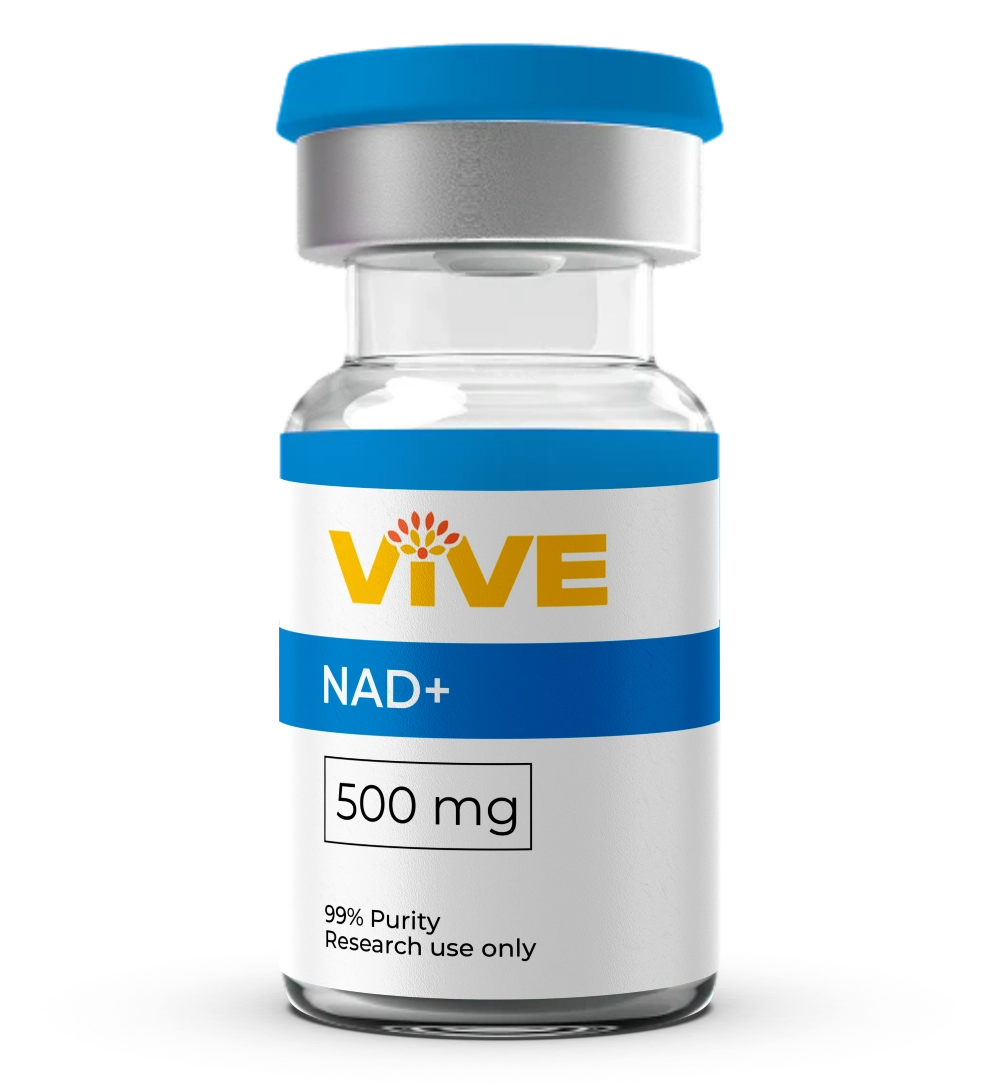
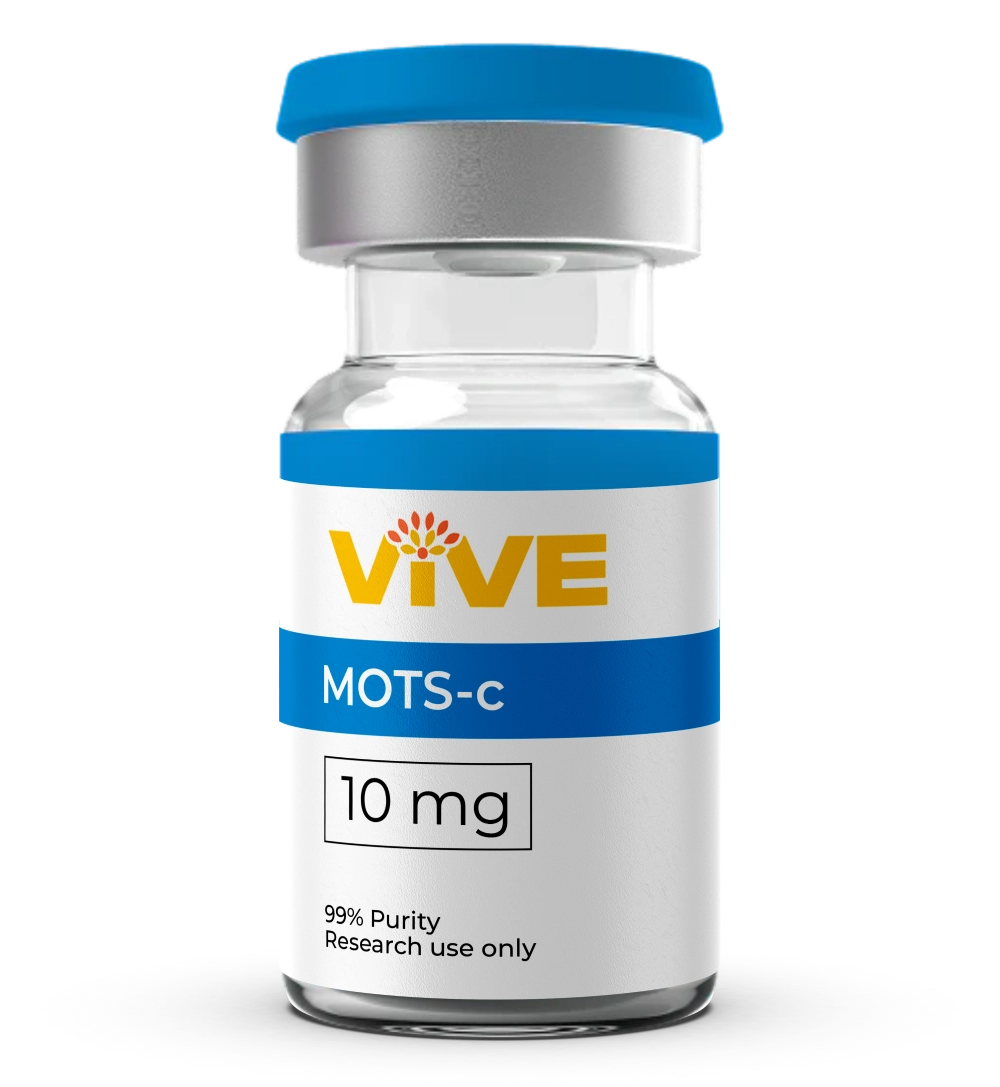
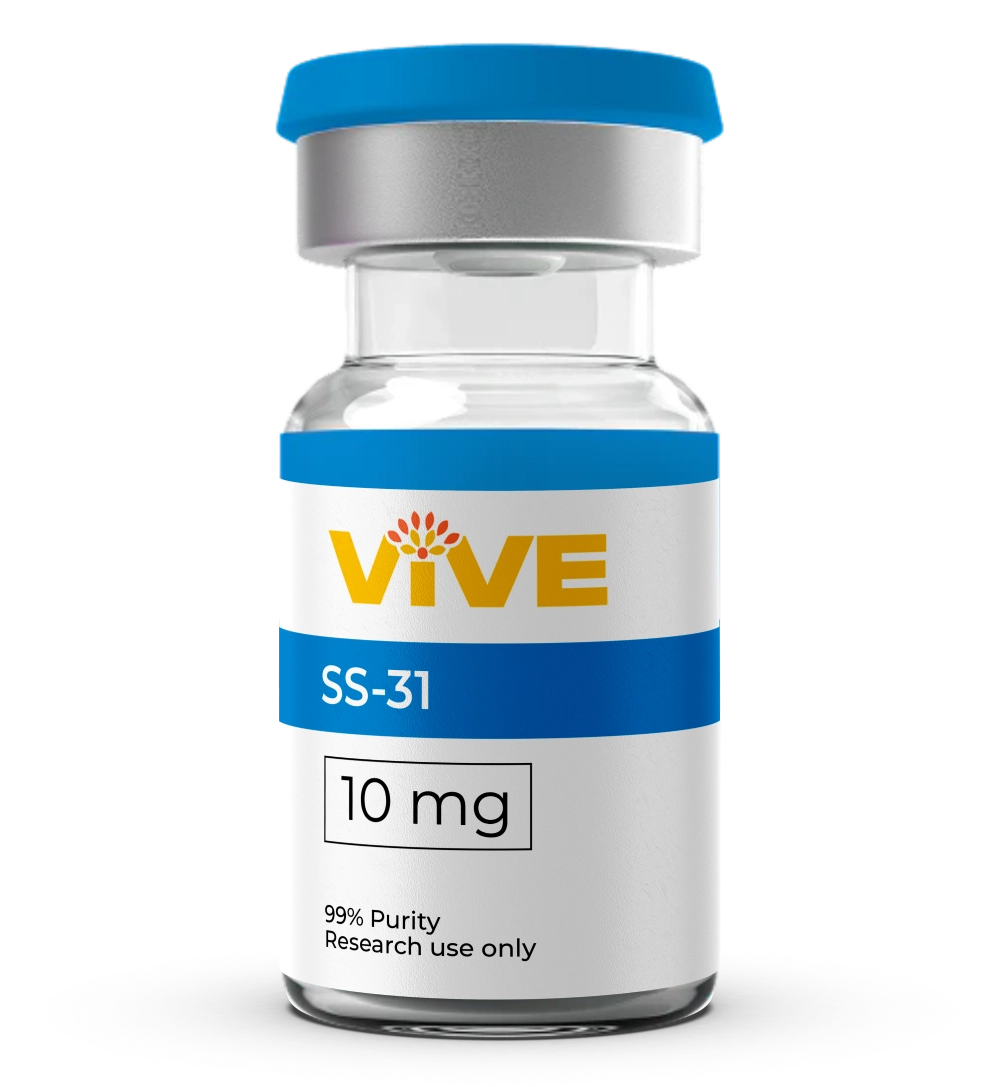
Longevity Peptides are research compounds studied for their roles in cellular energy metabolism, mitochondrial membrane dynamics, and stress-response signaling pathways investigated in preclinical aging models. The category represented on this page includes NAD+ (a metabolic coenzyme), MOTS-c (a mitochondria-derived signaling peptide), and SS-31 (a mitochondria-targeting tetrapeptide), each supplied by VivePeptides for laboratory research use only.
Reviewed by the VivePeptides Research DeskLast reviewed
Research Overview
Longevity Peptides in Preclinical Research: Category Overview
The longevity peptides research category encompasses compounds that modulate mitochondrial function, cellular energy status, and stress-resilience pathways studied in aging and metabolic models. This area has drawn sustained scientific attention because mitochondrial dysfunction and declining NAD+ bioavailability are recurring themes in preclinical aging literature, making compounds that intersect these pathways valuable investigative tools. Three distinct mechanism classes are represented in this collection.
NAD+ is a pyridine nucleotide coenzyme central to oxidative phosphorylation and sirtuin-dependent signaling, widely investigated in models of metabolic and cellular aging. MOTS-c is a mitochondria-derived peptide encoded within the 12S rRNA of mitochondrial DNA, studied for its role in metabolic regulation and mitochondrial stress responses. SS-31 (elamipretide) is a synthetic tetrapeptide that selectively targets the inner mitochondrial membrane, examined in preclinical models of mitochondrial membrane integrity and bioenergetic function.
VivePeptides supplies each compound with rigorous purity documentation to support reproducible research.
Three Non-Overlapping Mechanism Classes
NAD+, MOTS-c, and SS-31 each engage mitochondrial biology from a distinct mechanistic entry point, allowing researchers to isolate and interrogate specific nodes of cellular energy metabolism and stress-response signaling independently.
Purity Documentation for Reproducible Studies
Each compound in this collection is supplied with certificate of analysis data confirming identity, purity, and batch-specific characteristics, supporting the documentation standards that preclinical longevity research requires.
Matching Compound to Research Objective
Investigators typically select between these peptides for longevity research based on whether the study targets coenzyme bioavailability, mitochondria-derived peptide signaling, or direct inner membrane stabilization, as each mechanism addresses a distinct and non-redundant biological question.
Compound Comparison
How these compounds compare
| Compound | Mechanism Class | Research Focus | Distinguishing Feature |
|---|---|---|---|
| NAD+ | Pyridine nucleotide coenzyme | Sirtuin activation, metabolic flux | Dual nuclear and mitochondrial signaling via coenzyme replenishment |
| MOTS-c | Mitochondria-derived signaling peptide | AMPK pathway, metabolic stress response | Encoded within mitochondrial 12S rRNA, not nuclear genome |
| SS-31 | Mitochondria-targeting synthetic tetrapeptide | Membrane integrity, bioenergetic stabilization | Selective cardiolipin binding on inner mitochondrial membrane |
Mechanism & Research Context
Mechanism Classes and Research Design Considerations for Anti Aging Peptides
What distinguishes this collection is the diversity of mechanistic entry points into longevity-relevant biology: coenzyme replenishment, mitochondria-derived peptide signaling, and direct mitochondrial membrane targeting represent three non-overlapping research angles. Preclinical literature has examined NAD+ in the context of sirtuin activation, PARP competition, and metabolic flux assays, with studies frequently using aged cell lines or tissues with documented NAD+ depletion to model physiologically relevant conditions.
MOTS-c research has focused on AMPK pathway engagement and nuclear translocation under stress, with investigators noting that its effects in metabolic models differ substantially from those of nuclear-encoded mitochondrial peptides. SS-31 studies have concentrated on cardiolipin interaction and electron transport chain stabilization, with experimental designs often assessing mitochondrial membrane potential and ROS production as primary endpoints.
Researchers selecting between these compounds typically base the choice on which node of mitochondrial biology is under investigation. Each compound presents distinct handling and reconstitution considerations that should be reviewed before study design is finalized.
Research FAQ
Frequently asked questions
What are longevity peptides in the context of laboratory research?
What is the difference between NAD+, MOTS-c, and SS-31 in longevity research?
Are the peptides for longevity on this page approved for human use?
How do researchers typically design studies using SS-31 in preclinical aging models?
What makes MOTS-c a mechanistically distinct compound in the longevity peptides category?
What purity and documentation standards should researchers expect when sourcing anti aging peptides?
Related Research Collections
Continue exploring
All products are sold strictly for laboratory and scientific research use only. Not for human or animal consumption, diagnostic, or therapeutic use. Nothing on this page constitutes medical advice or a health claim.