Research Article
BPC-157 Dosage in Research: What Published Studies Use
Across published animal studies, BPC-157 research concentrations have ranged from approximately 1 mcg/kg to 10 mcg/kg per administration, with most experimental protocols clustering in the 2-10 mcg/kg range. Researchers sourcing research-grade BPC-157 for these protocols benefit from understanding what concentrations the published literature actually uses, and how those protocols were structured, before any laboratory setting begins working with this peptide.
Overview of BPC-157 Research Context
BPC-157 (Body Protection Compound-157) is a synthetic pentadecapeptide derived from a protein found in human gastric juice. It consists of 15 amino acids and has been studied extensively in preclinical models for its effects on tissue repair, inflammation modulation, and musculoskeletal recovery.
The body of research on BPC-157 spans over two decades and includes hundreds of peer-reviewed publications, primarily from Croatian research institutions and subsequently expanded by independent laboratories worldwide. The compound is catalogued under CAS number 137525-51-0 and is commercially available as a research-grade lyophilized powder.
This post does not rehash the fundamentals of what BPC-157 is. For that, see the existing overview on this site. The focus here is strictly on concentrations, protocols, and methodology as documented in published literature, with direct relevance to laboratory research design.
Concentrations Used in Animal Studies
Published animal studies represent the primary source of structured BPC-157 research data. Rodent models (rat and mouse) are most common, with some studies using larger species for specific injury models.
The table below summarizes representative concentrations from peer-reviewed publications. All data is drawn from published research; no concentration data has been fabricated or estimated.
Table: Published Study Concentrations
Source | Year | Model | Dose / Duration
---|---|---|---
Sikiric et al., J Physiology-Paris | 2003 | Rat (tendon transection) | 10 mcg/kg i.p. × 14 days
Sikiric et al., Regulatory Peptides | 2009 | Rat (muscle crush injury) | 10 mcg/kg i.p. × 7 days
Chang et al., Bone and Joint Research | 2014 | Rat (Achilles tendon) | 10 mcg/kg i.p. × 2 weeks
Huang et al., Life Sciences | 2015 | Rat (colitis model) | 10 mcg/kg i.g. × 7 days
Staresinic et al., J Orthopaedic Research | 2003 | Rat (quadriceps injury) | 10 mcg/kg i.p. × 14 days
Sikiric et al., Current Pharmaceutical Design | 2018 | Rat (CNS/spinal cord) | 10 mcg/kg i.p. × 21 days
Tudor et al., PLOS ONE | 2014 | Rat (liver fibrosis) | 10 mcg/kg i.p. × 30 days
Sikiric et al., Frontiers in Pharmacology | 2020 | Rat (various injury models) | 10 mcg/kg i.p. × varies
Notes on the table:
- "i.p." = intraperitoneal injection. "i.g." = intragastric administration.
- The 10 mcg/kg dose is by far the most frequently appearing concentration across the literature.
- Some studies used lower concentrations (1 mcg/kg or 2 mcg/kg) as comparison groups to establish dose-response relationships.
- The above represents a cross-section, not a complete index of published work.
Route of Administration in Research
Published protocols have employed several routes of administration, each with distinct implications for experimental design.
Intraperitoneal (i.p.) Injection
The majority of published BPC-157 animal studies use intraperitoneal injection. This route allows for consistent systemic delivery and predictable pharmacokinetics in rodent models. Most protocols in the literature administer the compound once daily, though some injury-focused protocols use twice daily dosing in the acute phase of an experiment.
Oral and Intragastric Administration
A noteworthy area of BPC-157 research involves oral and intragastric delivery. BPC-157 demonstrates unusual stability in the presence of human gastric juice, which is significant because most peptides degrade rapidly under gastric acid conditions. This property has made it a subject of interest in gastrointestinal research, where intragastric delivery is directly relevant to the model being studied.
Studies from Sikiric's group have demonstrated that the peptide retains bioactivity through oral routes in rodent models, making this an important variable in experimental design depending on the target tissue and research question.
Subcutaneous (s.c.) Injection
Subcutaneous injection is also documented in the literature, particularly in models examining systemic effects on tissue repair and inflammation. Some researchers prefer this route when consistent, slow systemic absorption is relevant to the protocol.
Research Protocols and Duration
Protocol duration in published BPC-157 research varies considerably depending on the injury model and outcome measure being assessed.
Short-term protocols (7-14 days): Common in acute injury models, including muscle crush, tendon transection, and wound healing studies. These protocols typically assess early markers of tissue repair, cell migration, and inflammatory response.
Medium-term protocols (14-30 days): Used in studies examining structural recovery, such as bone healing, ligament reattachment, and organ repair models. Histological endpoints often require this timeframe to produce measurable tissue remodeling.
Long-term protocols (30+ days): Found in studies examining fibrosis, neurological recovery, and chronic inflammation models. These protocols often include staged tissue sampling at multiple time points to track progression.
Administration in most protocols follows a once-daily schedule. Twice daily administration appears in a subset of studies, typically in acute inflammatory models where the researchers are examining rapid early effects on injury response.
All experimental protocols in the published literature use precisely defined body-weight-adjusted concentrations. Free-form or unscaled dosing is not a feature of peer-reviewed research design.
Key Mechanisms Documented in Published Research
Understanding why researchers choose BPC-157 for specific models requires familiarity with the mechanisms investigated in the literature.
Nitric Oxide Pathway Involvement
Multiple published studies have examined BPC-157's interaction with nitric oxide signaling. Research suggests the compound modulates nitric oxide synthase activity, which connects to its observed effects on vascular tone and tissue perfusion. The nitric oxide pathway is a recurring mechanistic focus in studies examining cardiovascular and peripheral vascular injury models.
A 2013 publication in Current Pharmaceutical Design (Sikiric et al.) described nitric oxide pathway involvement as central to BPC-157's effects across multiple organ systems. Subsequent work has continued to investigate this relationship, particularly in models involving endothelial function and blood flow regulation.
Angiogenesis
Angiogenesis, the formation of new blood vessels from existing vasculature, is one of the most consistently documented mechanistic areas in BPC-157 research. Published studies report upregulation of VEGF (vascular endothelial growth factor) expression in BPC-157-treated tissue samples compared to controls. This angiogenesis activity is believed to underlie many of the tissue repair effects observed in experimental models, as new vascular supply is a prerequisite for structural recovery in most tissue types.
Studies examining tendon, muscle, and bone injury models specifically call out angiogenesis as a primary endpoint, with histological evidence of increased vascular density in treated groups across multiple independent research teams.
Cell Migration
Cell migration is another mechanistic focus in the literature. In vitro work has examined how BPC-157 affects the motility of fibroblasts, endothelial cells, and smooth muscle cells. Enhanced cell migration toward injury sites is proposed as a mechanism through which the peptide accelerates wound closure and tissue remodeling in experimental models.
The combination of angiogenesis promotion and accelerated cell migration forms the mechanistic foundation that researchers use to explain observed macroscopic effects in in vivo injury protocols.
Inflammation Modulation
The inflammation-related findings in BPC-157 research are among its most studied properties. Published work documents effects on pro-inflammatory cytokine expression, including TNF-alpha and IL-6, in multiple injury and colitis models. Rather than acting as a broad anti-inflammatory agent, the compound appears to modulate inflammation, with the literature suggesting a role in normalizing dysregulated inflammatory signaling rather than simply suppressing it.
This distinction matters for experimental design: researchers selecting BPC-157 for inflammation studies are typically investigating modulation, not blanket suppression, which shapes endpoint selection and protocol structure.
Reconstitution with Bacteriostatic Water
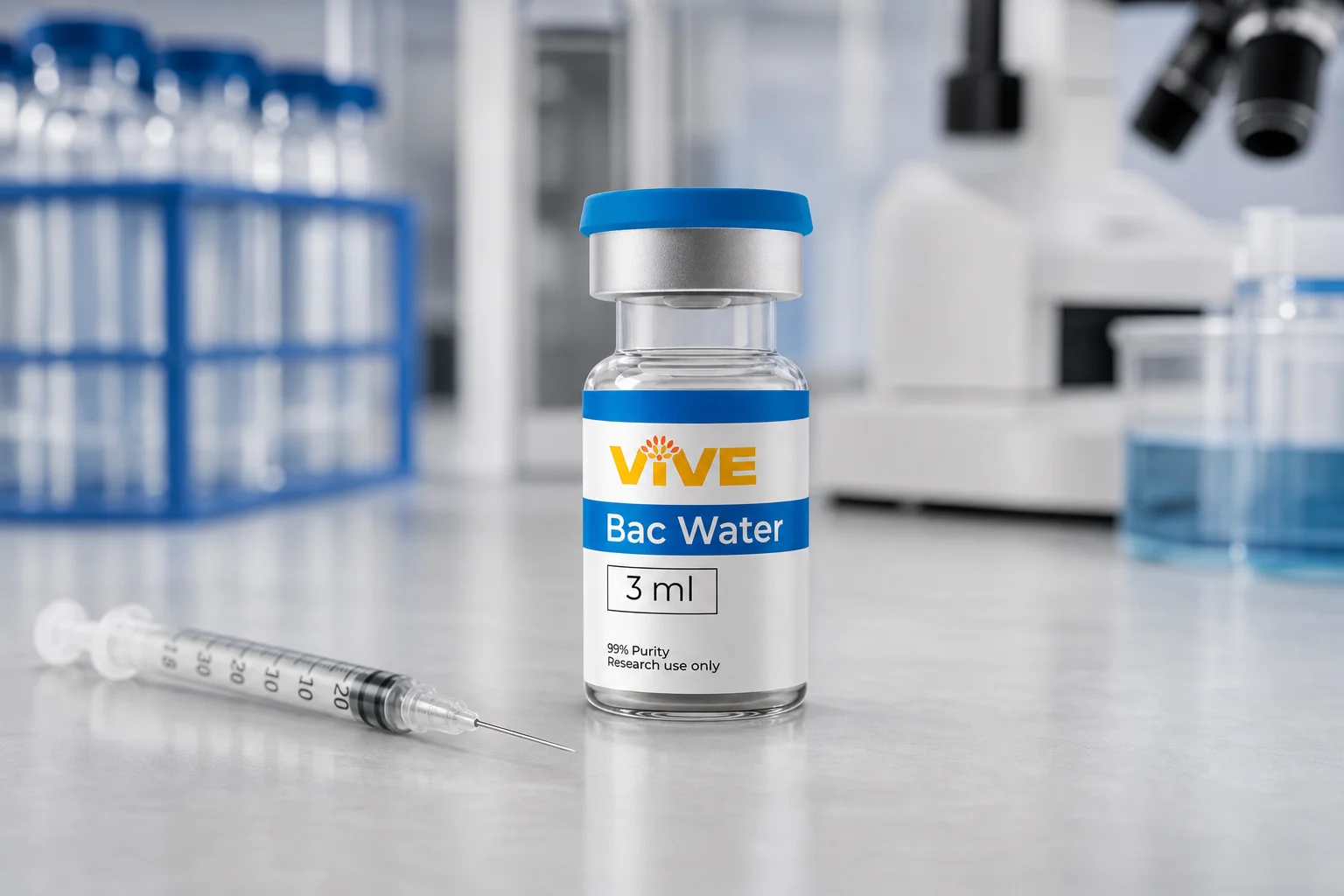
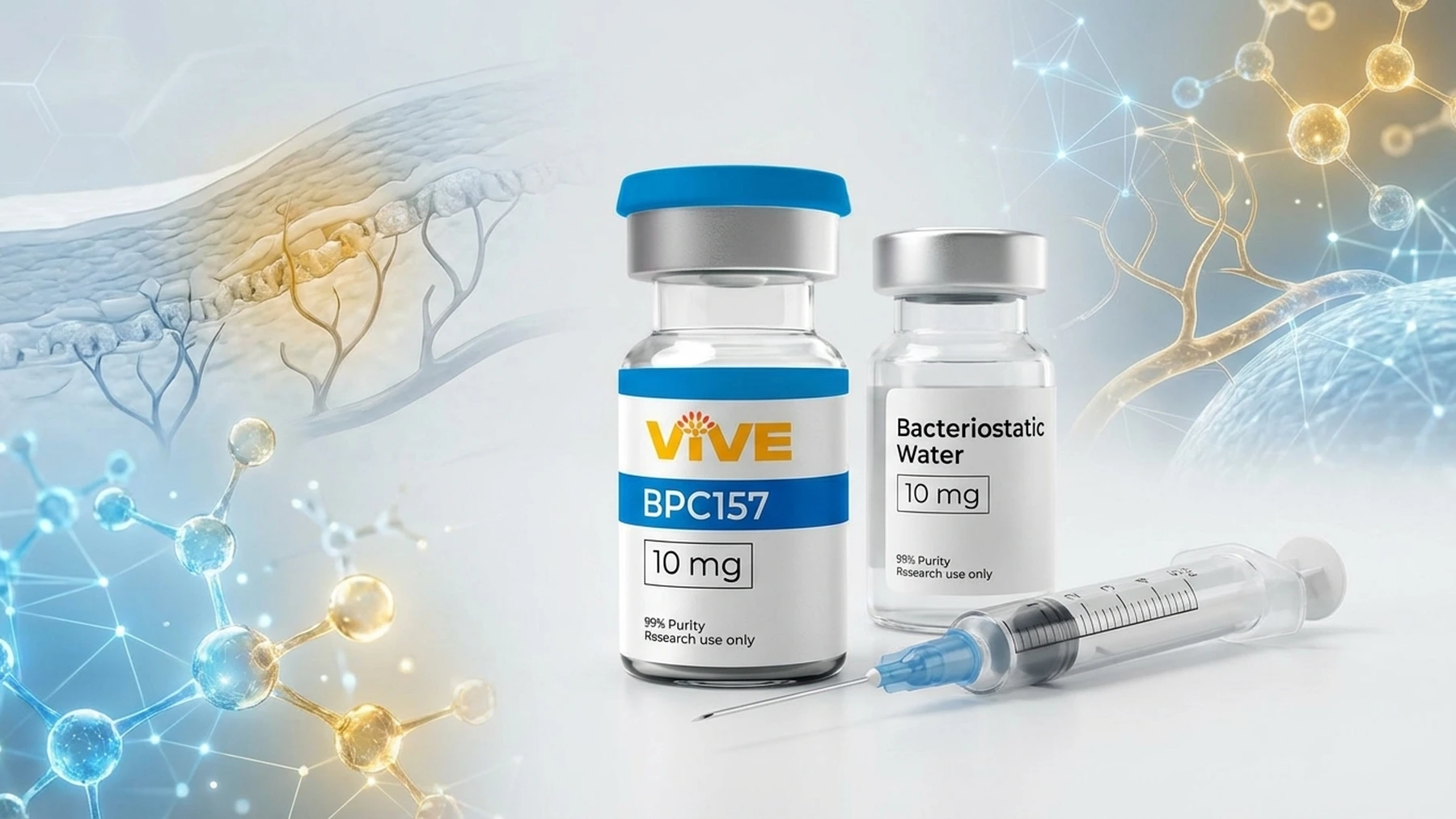
Research-grade BPC-157 is supplied as a lyophilized powder and requires reconstitution before use in experimental protocols. The standard solvent used in laboratory settings is bacteriostatic water (sterile water with 0.9% benzyl alcohol as a preservative).
Why bacteriostatic water: Bacteriostatic water inhibits microbial growth in the reconstituted solution, which is critical when the vial will be accessed multiple times across a protocol duration. Plain sterile water is single-use; bacteriostatic water extends the usable window of a reconstituted vial to approximately 28-30 days when stored refrigerated at 2-8C.
Reconstitution procedure used in research settings:
- Allow the lyophilized BPC-157 vial to reach room temperature before opening.
- Add bacteriostatic water slowly to the vial by injecting it against the glass wall, not directly onto the powder cake.
- Gently swirl, do not shake. Shaking can degrade peptide structure.
- Allow the solution to clarify fully before drawing from the vial.
- Store reconstituted solution refrigerated. Do not freeze after reconstitution.
- Label the vial with the reconstitution date and concentration.
Concentration math for research use: If a 5 mg vial of BPC-157 is reconstituted with 2.5 mL of bacteriostatic water, the resulting solution is 2 mg/mL (2,000 mcg/mL). If reconstituted with 5 mL of bacteriostatic water, the concentration is 1 mg/mL (1,000 mcg/mL). Researchers choose their bacteriostatic water volume based on the specific concentration needed for their weight-adjusted protocol.
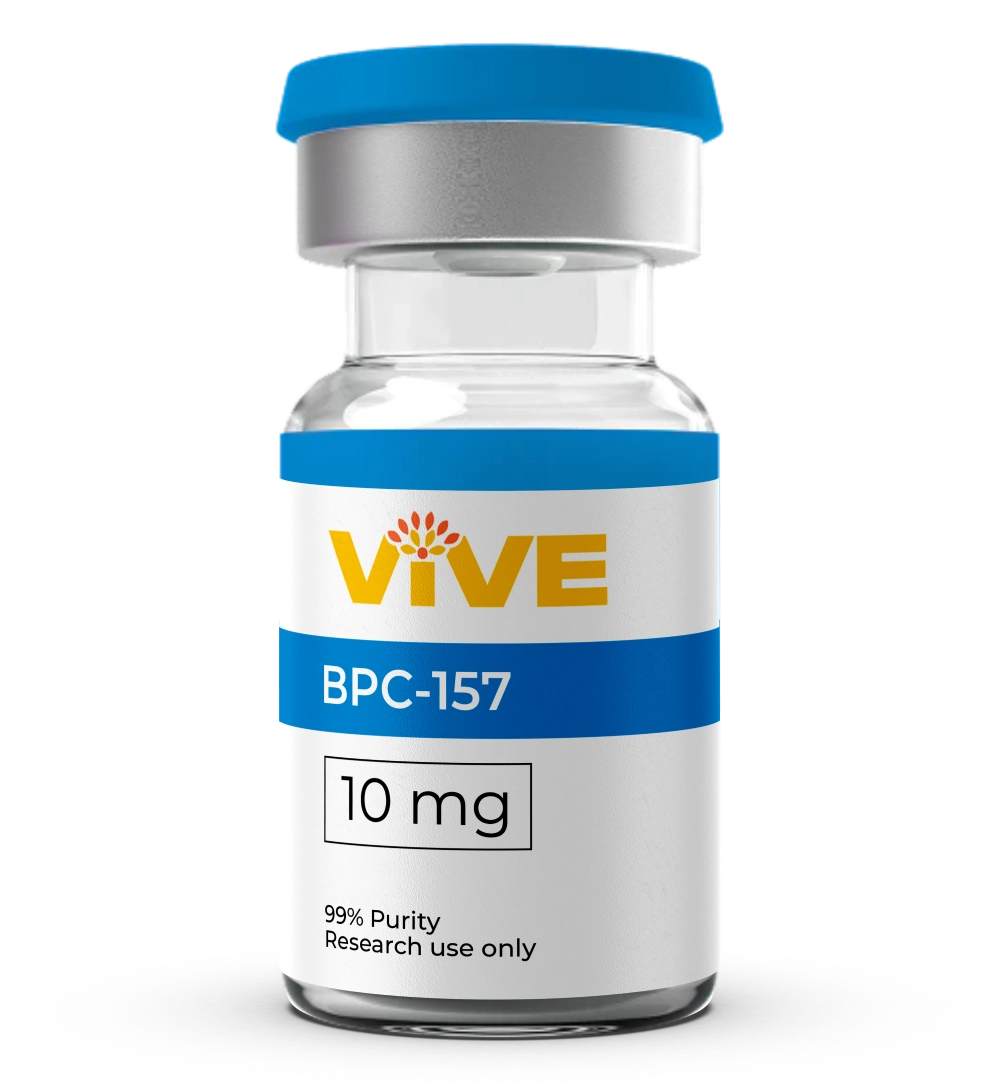
VivePeptides BPC-157 is supplied as a research-grade lyophilized peptide with 99%+ purity, HPLC and mass spectrometry verified, and third-party tested for identity and purity. Each vial includes a certificate of analysis. See the BPC-157 product page for current specifications.
Safety Profile in Published Literature
BPC-157 has an extensive preclinical safety record across the animal study literature. Published work spanning multiple decades and dozens of independent research groups has not documented significant toxicity at the concentrations commonly used in experimental protocols.
Sikiric and colleagues have noted in multiple publications that BPC-157 does not produce measurable toxicity in rodent models even at concentrations significantly above those used in standard experimental protocols. No LD50 has been established in the published literature, reflecting the difficulty researchers have encountered in producing adverse effects at elevated concentrations in animal models.
It is important to note that all existing safety data comes from animal studies. BPC-157 has not completed human clinical trials. It is not approved by the FDA for any therapeutic application. All research use is strictly for in-vitro laboratory and preclinical in-vivo research purposes only. Nothing in the published literature, or on this page, constitutes a recommendation for human use.
FAQ
Q: What concentration appears most often in published BPC-157 animal studies?
The 10 mcg/kg concentration, administered intraperitoneally, is by far the most common research concentration in the peer-reviewed literature. It appears across studies examining tendon, muscle, gastrointestinal, cardiovascular, and neurological models.
Q: Is oral BPC-157 studied in the literature, and does the peptide survive digestion?
Yes. Published research has specifically examined the oral and intragastric route. BPC-157 shows notable stability in human gastric juice conditions, which distinguishes it from most peptides and has made it relevant for GI research models. Studies using intragastric administration have documented effects comparable to injected protocols in certain models.
Q: What is bacteriostatic water and why is it used for BPC-157 reconstitution?
Bacteriostatic water is sterile water containing 0.9% benzyl alcohol, which inhibits bacterial growth. It is the preferred reconstitution solvent for research peptides because it allows multi-use access to a single vial over several weeks without sterility compromise. Sterile water for injection is single-use and would require discarding any unused reconstituted volume after one draw.
Q: What is the typical duration of BPC-157 protocols in published research?
Protocol duration varies by model. Acute injury studies commonly run 7-14 days. Structural recovery and tissue remodeling studies typically run 14-30 days. Chronic models, including fibrosis and neurological recovery, may run 30 days or longer with staged sampling points.
Q: Is BPC-157 ever combined with other peptides in published research?
Some research has examined BPC-157 alongside other compounds in combinatorial protocols. TB-500 (Thymosin Beta-4) is frequently referenced in discussions of peptide research combinations due to overlapping mechanistic interests in tissue repair and angiogenesis, though most published BPC-157 studies examine it as an isolated compound. Researchers interested in combinatorial protocols can find both compounds available at VivePeptides TB-500.
Research Supply Notes
VivePeptides supplies BPC-157 as a research-grade lyophilized peptide for in-vitro laboratory research purposes only. All products are third-party tested, HPLC and MS verified, and supplied with certificates of analysis.
For researchers working with recovery and healing peptide panels, the Glow Blend is a formulated research compound that includes BPC-157 alongside complementary peptides for broader panel research applications.
All VivePeptides products are intended exclusively for laboratory research. They are not intended for human or veterinary use, and are not for consumption. Nothing on this page should be construed as medical advice, a treatment recommendation, or guidance for any application outside of controlled laboratory research settings.
For current product availability, purity specifications, and certificate of analysis documentation, visit the BPC-157 product page.
VivePeptides Research Team: April 2026
Research Use Only
All information in this article is intended for educational and research purposes only. VivePeptides products are not intended for human or veterinary use.