
Research Use Only
Peptides for Wrinkles and Anti-Aging
Peptides investigated in the context of collagen and elastin synthesis and dermal aging pathways.
Peptides for Wrinkles and Anti-Aging are research compounds studied for their roles in extracellular matrix signaling, neuromodulatory pathway modulation, and multi-pathway cellular repair processes as characterized in preclinical models. This category features copper-binding peptides, acetylated signaling peptides, and multi-compound research blends. All compounds are provided for laboratory research use only and are not intended for human or animal administration.
Reviewed by the VivePeptides Research DeskLast reviewed
Research Catalog
Compounds in this collection
Research Overview
What the Wrinkle and Anti-Aging Peptide Research Category Covers
The wrinkle and anti-aging peptide research category encompasses compounds investigated for their effects on extracellular matrix dynamics, neuromodulatory signaling at the dermal-muscular interface, and multi-pathway regenerative processes in preclinical skin and tissue models. Researchers have directed sustained attention to this area because the molecular pathways governing collagen remodeling, glycosaminoglycan synthesis, and neuromuscular signal attenuation represent well-defined targets for in vitro and in vivo investigation. VivePeptides supplies three compounds within this collection, each representing a distinct mechanism class.
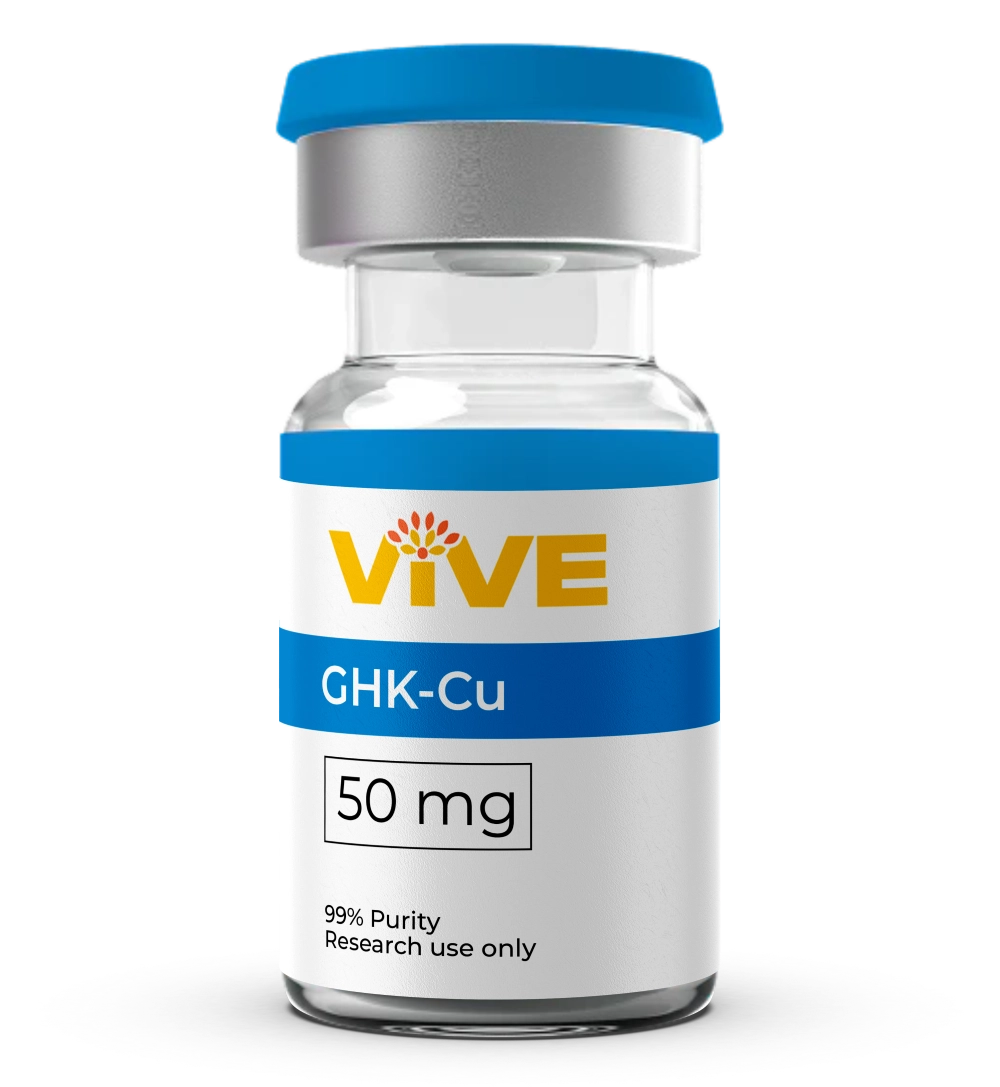
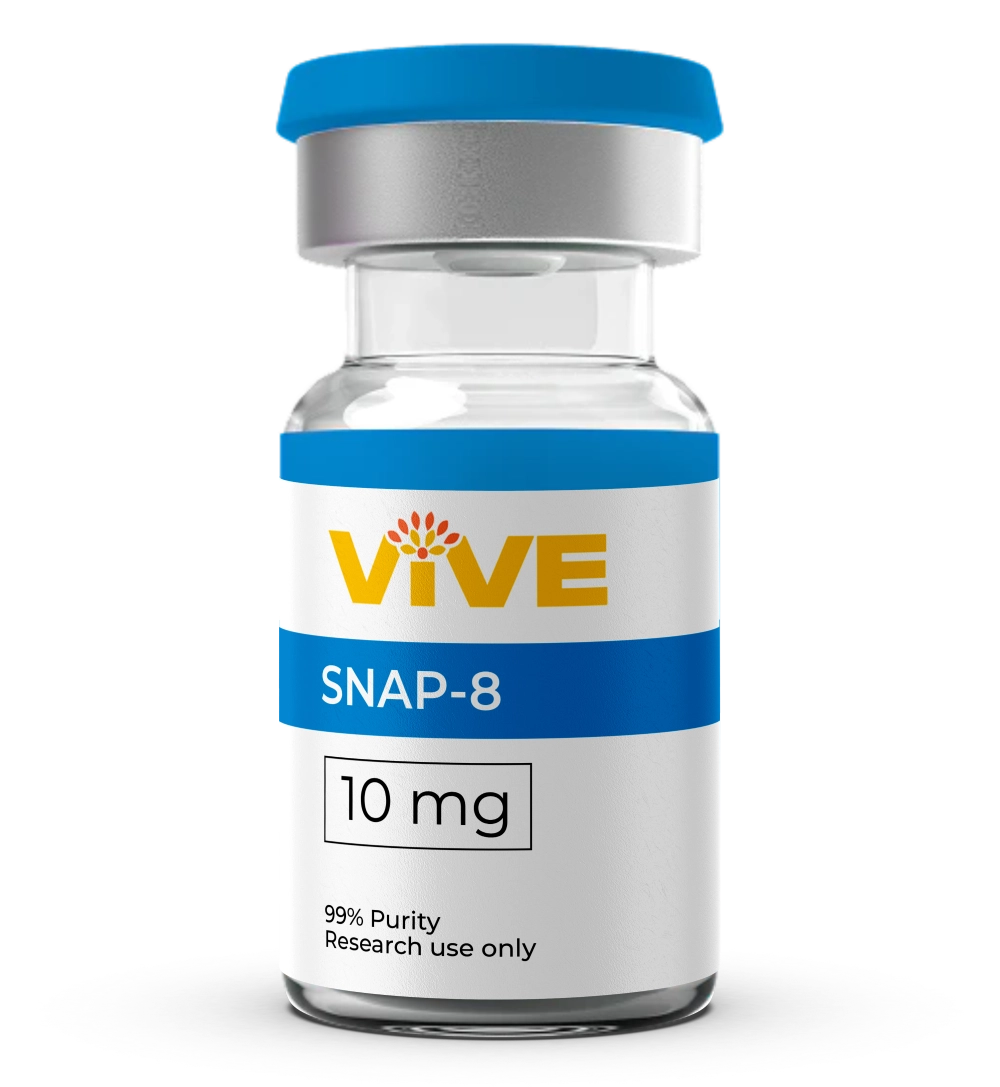
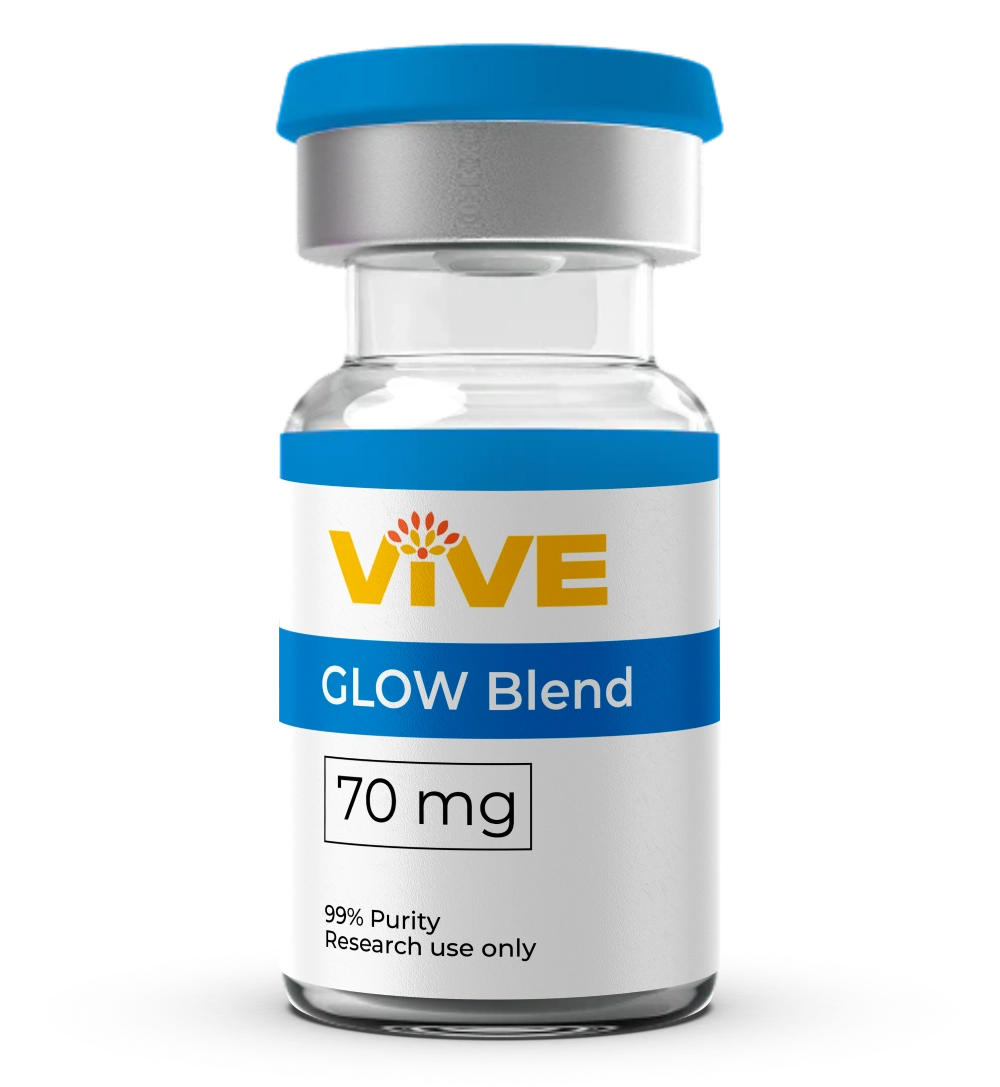
GHK-Cu is a copper-binding tripeptide studied for interactions with ECM remodeling enzymes and growth factor receptor pathways. SNAP-8 is an acetylated octapeptide examined in neuromodulatory pathway models for effects on signal transduction at neuromuscular junctions. Glow Blend combines BPC-157, TB-500, and GHK-Cu in a single formulation studied for multi-pathway interactions in tissue and matrix repair models.
All compounds are supplied at research-grade purity with full certificate of analysis documentation.
Three Distinct Mechanism Classes
GHK-Cu, SNAP-8, and Glow Blend each represent a mechanistically separate research class: copper-binding ECM peptide, acetyl neuromodulatory peptide, and multi-compound regenerative blend. Selecting the appropriate class depends on the specific signaling pathway targeted in the study design.
Research-Grade Purity and COA Documentation
Each compound in this collection is supplied with certificate of analysis documentation supporting lot-specific identity and purity verification. This standard is consistent with reproducibility requirements for preclinical in vitro and in vivo study protocols.
Matching Compounds to Study Design
Single-pathway studies benefit from isolated GHK-Cu or SNAP-8, while multi-pathway experimental designs may be better served by the Glow Blend formulation combining three mechanistically complementary research compounds. The research question should drive compound selection, not compound availability.
Compound Comparison
How these compounds compare
| Compound | Mechanism Class | Research Focus | Distinguishing Feature |
|---|---|---|---|
| GHK-Cu | Copper-binding tripeptide | ECM remodeling and growth factor signaling | Copper chelation and matrix enzyme interactions |
| SNAP-8 | Acetylated octapeptide | Neuromuscular junction signal attenuation | Neuromodulatory acetyl peptide class |
| Glow Blend (BPC/TB/GHK) | Multi-peptide research blend | Combined regenerative pathway models | Three-compound multi-pathway formulation |
Mechanism & Research Context
Mechanism Classes and Preclinical Research Context
The three mechanism classes in this collection are distinguished by their points of entry into dermal biology and matrix research. GHK-Cu operates as a copper chelator and signaling initiator. Preclinical literature has examined its interactions with matrix metalloproteinases, tissue inhibitors of metalloproteinases, and growth factor receptor pathways in cell culture and tissue models.
SNAP-8 belongs to the acetyl peptide class and has been investigated for its capacity to attenuate acetylcholine-mediated signal transduction in neuromuscular junction models, a mechanism distinct from ECM-targeted compounds. Glow Blend represents a combination strategy, pairing BPC-157 (a pentadecapeptide examined in angiogenic and repair signaling models), TB-500 (an actin-sequestering fragment studied in cellular migration contexts), and GHK-Cu. Researchers selecting among these compounds typically consider whether the study design requires single-target precision or multi-pathway breadth.
Solubility profiles, reconstitution requirements, and appropriate vehicle selection differ across these classes and should be assessed during experimental planning.
Research FAQ
Frequently asked questions
What are peptides for wrinkles and anti-aging used for in a research context?
How does GHK-Cu differ mechanistically from SNAP-8 as a research compound?
What is the Glow Blend, and why does it combine BPC-157, TB-500, and GHK-Cu?
How should researchers select between single-compound and multi-compound formulations for skin aging studies?
What purity and documentation standards apply to these anti-aging research peptides?
Are these wrinkle peptides intended for human use or cosmetic application?
Related Research Collections
Continue exploring
All products are sold strictly for laboratory and scientific research use only. Not for human or animal consumption, diagnostic, or therapeutic use. Nothing on this page constitutes medical advice or a health claim.