Research Article
Where to Buy Research Peptides in 2026: A Comprehensive Vendor Guide
Sourcing research peptides in 2026 requires more than a quick search. With vendor quality varying widely and regulatory updates reshaping the landscape, researchers need a structured approach to identify suppliers that meet rigorous documentation, purity, and manufacturing standards. This guide outlines exactly what to evaluate and why it matters.
Why Vendor Selection Has Never Mattered More
The research peptide market expanded significantly entering 2026. More suppliers entered the space, manufacturing origins diversified globally, and the gap between high-quality and low-quality product widened. At the same time, regulatory clarity around research-use-only peptides created a more defined framework for procurement.
For researchers, this environment presents a clear challenge: the abundance of options does not correlate with an abundance of reliable options. Independent analytical testing performed on products from various suppliers has revealed purity levels well below what vendors advertised. In some cases, published Certificates of Analysis did not reflect the actual compound composition.
The practical consequence for research integrity is significant. A peptide compound with 90% purity versus 98%+ purity introduces unknown impurities that can skew experimental results, compromise assay sensitivity, and produce unreliable data. Vendor selection is, fundamentally, a research methodology decision.
98%+
Minimum purity standard for credible research-grade peptides, verified by independent HPLC analysis
The 6-Step Vendor Evaluation Framework
Use this structured process to assess any research peptide supplier before placing an order. Each step builds on the previous one.
1
Verify Third-Party Certificate of Analysis Availability
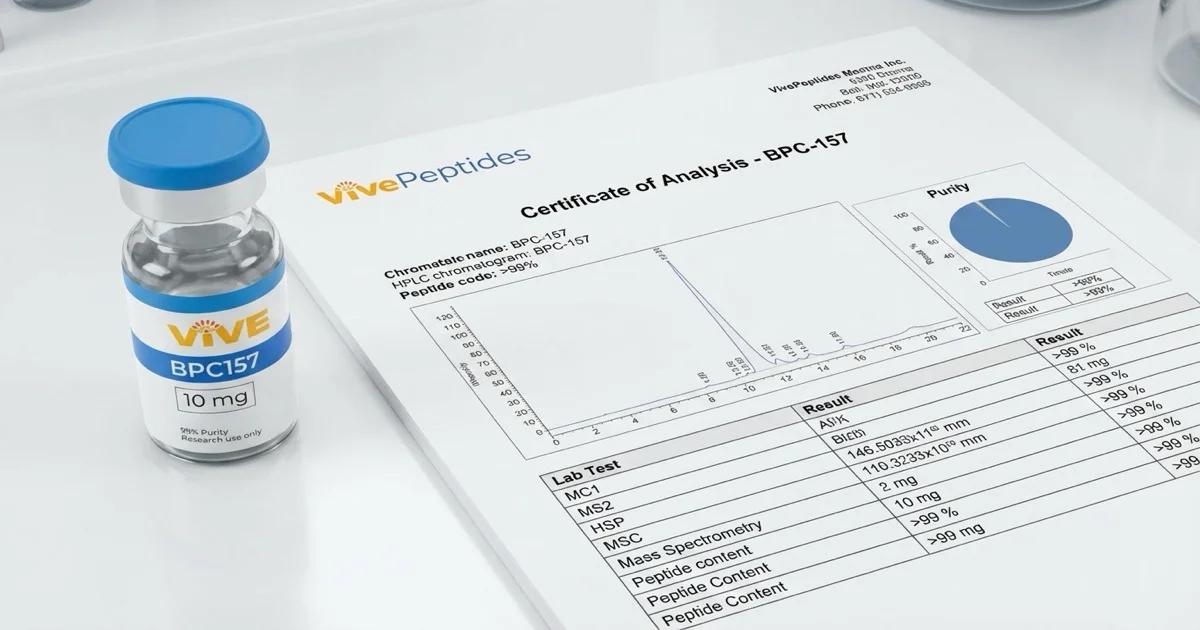
A legitimate supplier publishes batch-specific Certificates of Analysis from independent, accredited laboratories. The COA should be accessible directly on the product page for each batch, not shared only on request. Confirm the testing lab is named explicitly and carries relevant accreditation such as ISO 17025.
2
Confirm HPLC and Mass Spectrometry Testing
High-Performance Liquid Chromatography (HPLC) is the analytical gold standard for determining peptide purity. Mass spectrometry (MS) confirms molecular identity and sequence. Both methods together provide a complete analytical profile. A COA that lists only a percentage without the underlying chromatogram data provides limited assurance.
3
Assess Manufacturing Standards and Domestic Origin
Domestic synthesis within the United States generally corresponds to higher manufacturing controls, consistent quality oversight, and more traceable supply chains. Good Manufacturing Practice (GMP)-aligned facilities implement calibration schedules, environmental controls, and documentation protocols that directly influence compound integrity.
4
Check for Extended Safety Testing
Beyond purity, rigorous vendors conduct endotoxin testing and sterility testing on each batch. Endotoxins are bacterial byproducts that can interfere with biological assays. Sterility confirmation matters for any research application involving biological systems. Vendors who include these panels in their COA documentation demonstrate a higher commitment to product integrity.
5
Evaluate Product Handling and Packaging
Research peptides supplied in lyophilized (freeze-dried) form retain stability during shipping and storage. Confirm that vials are sealed under inert conditions and that cold-chain handling is applied where required. Proper reconstitution documentation and compatible bacteriostatic water availability are markers of a vendor that understands research laboratory needs.
6
Review Catalog Depth and Research Framing
A supplier committed to the research community maintains a catalog that reflects serious scientific application, not lifestyle marketing. Product pages should include molecular weight data, sequence information, storage requirements, and reconstitution guidance. All products should be clearly designated for research use only, with no health claims or clinical outcome statements.
Key Quality Indicators: What to Look For
COA Documentation
Batch-Specific Certificates of Analysis
Every product lot should have its own COA from a named third-party laboratory. Batch-specific documents confirm that the exact vial you receive was tested, not a representative sample from months prior.
Purity Standards
98% or Higher HPLC Purity
Research-grade compounds should meet or exceed 98% purity by HPLC analysis. Some research applications require 99%+. Net peptide content should also be disclosed separately from gross purity percentage.
Analytical Methods
HPLC and Mass Spectrometry Both Present
HPLC determines purity percentage. Mass spectrometry confirms molecular identity and sequence accuracy. Vendors providing both analytical methods give researchers a complete verification profile.
Safety Testing
Endotoxin and Sterility Testing
Extended safety panels protect research integrity. Endotoxin contamination can invalidate biological assay results. Sterility testing matters for any application involving cell-based or in vivo models.
Formulation
Lyophilized Format with Proper Storage Guidance
Lyophilized peptides maintain stability during transit and storage. Vendors should specify storage temperatures and provide reconstitution protocols. Bacteriostatic water compatibility should be confirmed for injectable-grade research compounds.
Transparency
Named Manufacturing Origin
A supplier confident in their manufacturing process names the facility, country of synthesis, and applicable quality standards. Opaque supply chains are a significant quality risk in the research peptide category.
Red Flags: When to Walk Away
Avoid any vendor that exhibits these warning signs:
No third-party COA on the product page. If a Certificate of Analysis requires a special request, is undated, or does not name the testing laboratory, the documentation is not meaningful.
Purity claims without chromatogram data. "Greater than 98% purity" printed on a vendor's own label, without supporting HPLC chromatogram output from an external lab, is unverifiable.
Health outcome language on product pages. Research peptides sold for legitimate research purposes should never include clinical outcome claims, testimonials, or before-and-after framing. This language signals that the vendor is not operating within appropriate research-use-only designations.
Offshore-only synthesis with no quality documentation. Synthesis outside of GMP-aligned facilities with no published standards creates significant uncertainty about compound purity, contamination levels, and identity accuracy.
No reconstitution or storage guidance. Vendors who do not provide technical handling documentation are not serving the research community.
Why Researchers Choose VivePeptides
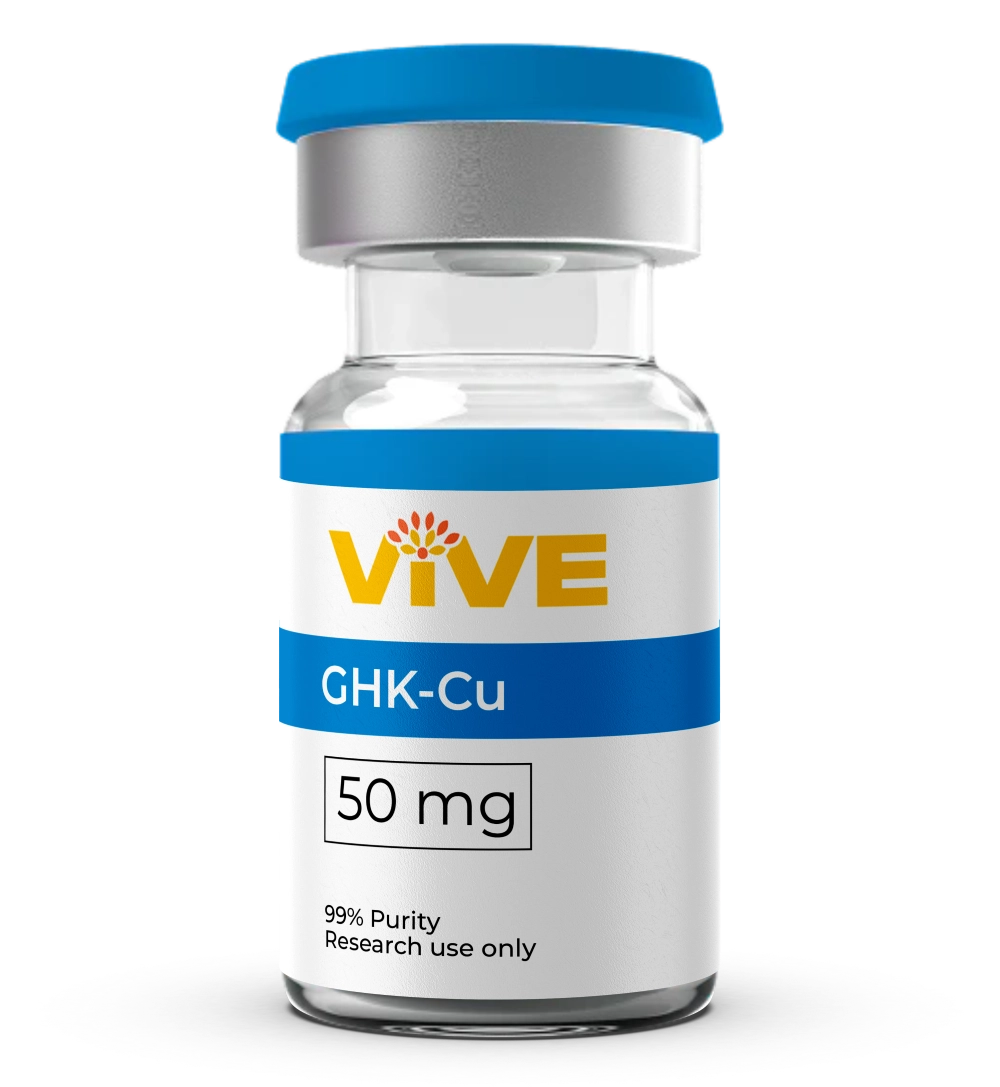
VivePeptides was built specifically for the research community. Every compound in the VivePeptides catalog is sourced to meet the documentation, purity, and handling standards outlined in this guide. Here is how VivePeptides measures against each evaluation criterion:
Evaluation Criterion | VivePeptides Standard
---|---
Third-Party COA | Batch-specific COA from independent accredited laboratory, published on every product page
Purity Level | 98%+ purity by HPLC on all catalog compounds
Analytical Methods | HPLC purity analysis and mass spectrometry identity confirmation on each batch
Safety Testing | Endotoxin and sterility testing included in quality panels
Formulation | Lyophilized vials with documented storage and reconstitution protocols
Research Framing | All products designated research use only, no health claims, no clinical outcome language
Catalog Depth | 25+ compounds including widely-studied peptides with full technical documentation per product
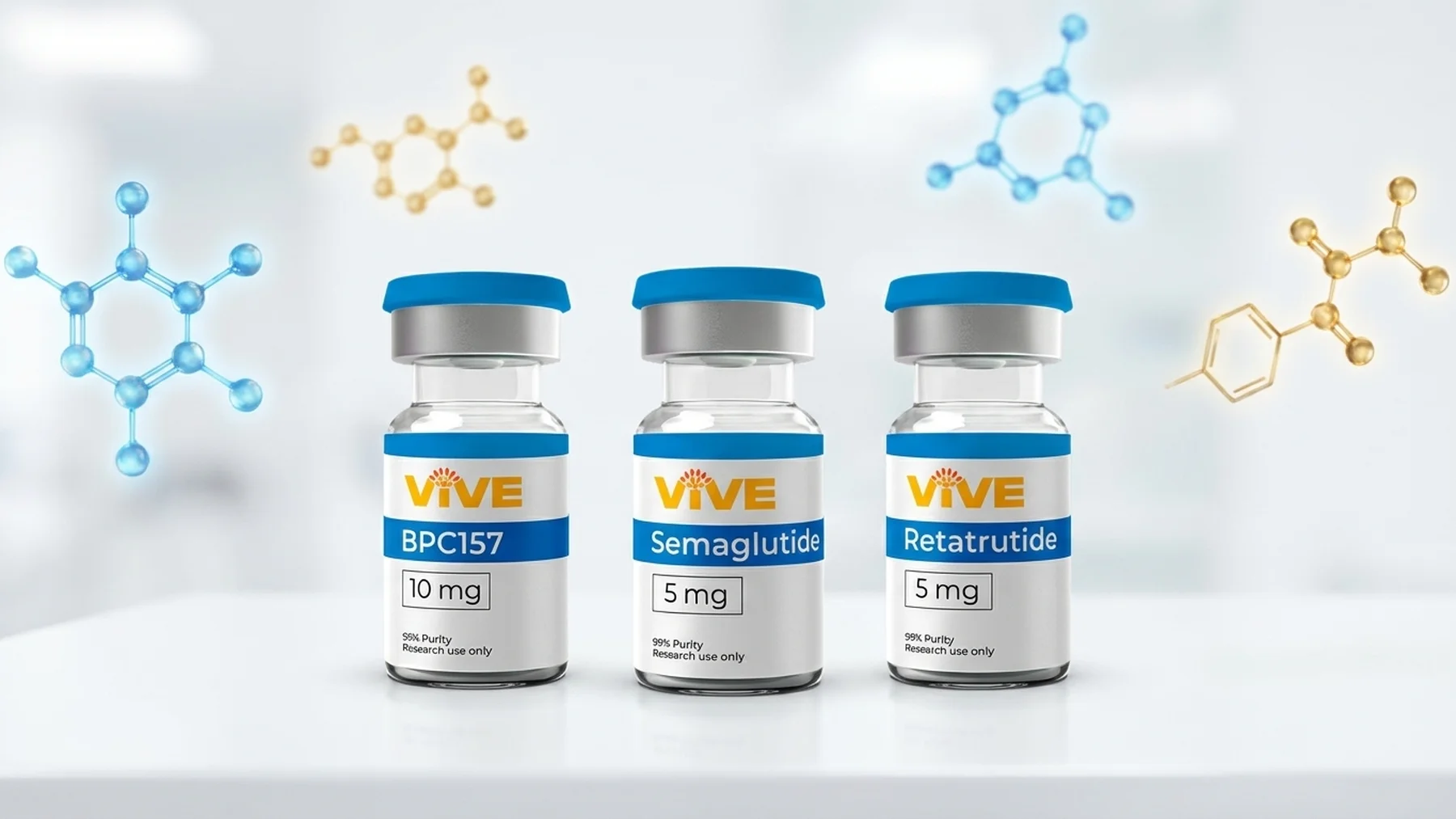
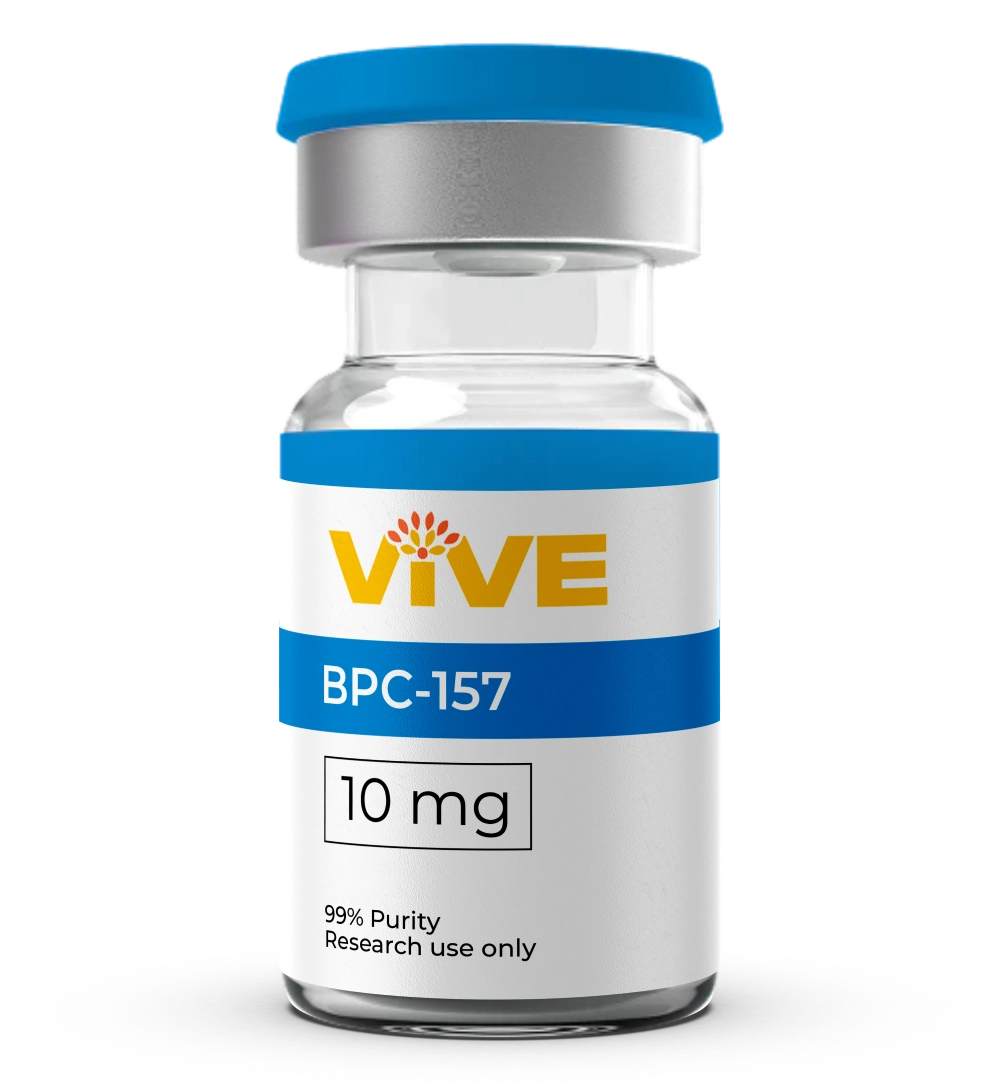
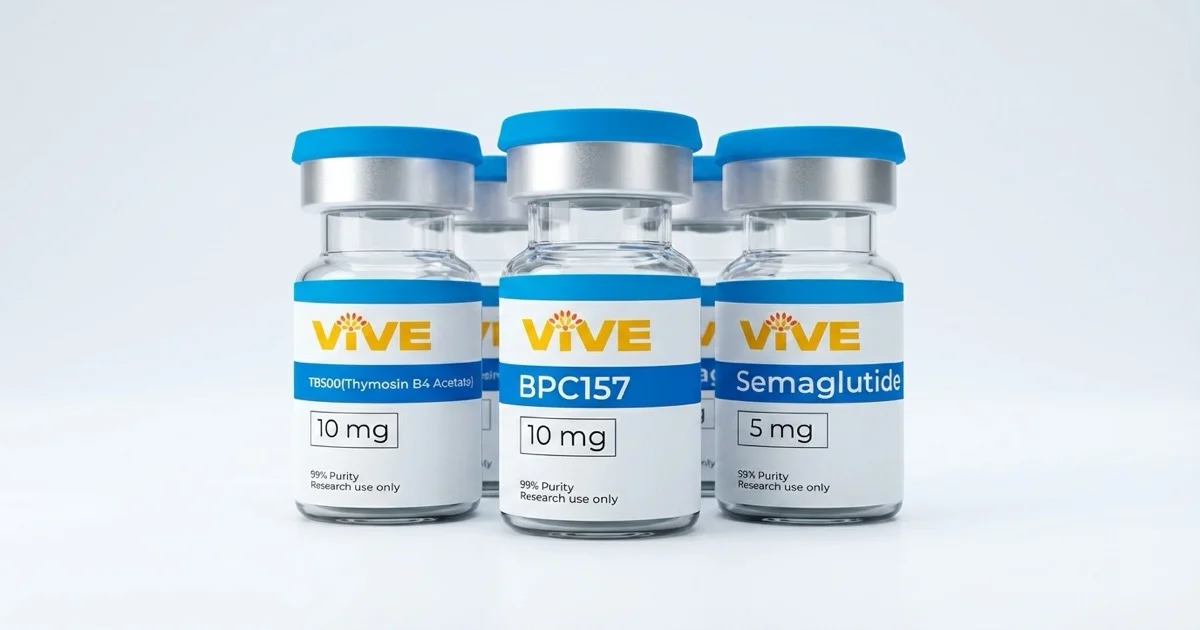
The VivePeptides catalog includes compounds that represent the current priorities in peptide research. Researchers studying gastric and connective tissue models can source BPC-157 in lyophilized vials with complete COA documentation. GLP-1 receptor research teams have access to semaglutide and tirzepatide under the same quality framework. All compounds requiring reconstitution are compatible with bacteriostatic water, which is also available through VivePeptides to ensure handling integrity from the point of receipt.
Every order ships from domestic fulfillment. There are no unnamed overseas intermediaries in the supply chain. The same batch that was tested is the same batch that arrives at the laboratory.
Research use only. All peptides sold by VivePeptides are intended strictly for in vitro and laboratory research purposes. They are not approved for human consumption, clinical administration, or veterinary use. Purchasers are responsible for compliance with all applicable laws and regulations in their jurisdiction.
Sourcing the Right Compounds for Your Research
Vendor selection and compound selection are equally important decisions. A high-quality supplier still needs the specific compounds your research protocol requires, with the molecular weight, sequence, and formulation that match your experimental design.
The VivePeptides shop is organized to support efficient procurement. Each product page includes the molecular formula, molecular weight, sequence where applicable, storage temperature, reconstitution guidance, and a direct link to the batch-specific COA. Researchers can verify compound identity and purity before the order ships.
For research teams building out a full procurement approach, having a consistent, documented supplier matters beyond any single order. Supply chain traceability, batch-to-batch consistency, and reliable COA availability allow for meaningful comparisons across experimental runs.
Frequently Asked Questions
What is the minimum acceptable purity level for research peptides?
For most laboratory research applications, 98% purity by HPLC is the accepted minimum standard. Certain assay types, particularly those involving mass spectrometry analysis or high-sensitivity in vitro systems, may require 99%+ purity. Always verify the specific purity requirement for your experimental protocol before sourcing. Net peptide content should also be evaluated separately from gross purity percentage, as these figures can differ meaningfully.
What should a legitimate Certificate of Analysis include?
A credible COA from an independent third-party laboratory should include: the compound name and sequence, the batch or lot number, the testing date, the analytical method used (HPLC, MS, or both), the purity percentage with the underlying chromatogram or data output, molecular weight confirmation, and the name and accreditation of the testing laboratory. A COA that lists only a purity number without supporting analytical data provides no verifiable assurance.
Does the country of synthesis affect peptide quality?
Manufacturing origin has a measurable effect on compound quality in practice. Domestic synthesis within the United States is generally subject to more consistent quality control infrastructure and more traceable supply chain documentation than offshore alternatives. GMP-aligned facilities implement calibrated equipment, environmental controls, and batch documentation standards that directly influence the integrity of the final compound. When evaluating vendors, disclosed manufacturing origin with documented quality standards is a meaningful positive indicator.
What is lyophilization and why does it matter for research peptides?
Lyophilization is a freeze-drying process that removes water content under vacuum, producing a stable powder that retains compound integrity during transit and storage. Research peptides supplied in lyophilized form are significantly more stable than liquid-reconstituted solutions. Properly lyophilized vials tolerate normal shipping conditions without degradation. Once reconstituted with bacteriostatic water, peptide solutions should be stored at 2-8 degrees Celsius and used within the timeframe specified in the vendor's reconstitution documentation.
Are research peptides legal to purchase in the United States?
Research peptides designated for research use only are legal to purchase and possess in the United States for legitimate laboratory research purposes. Researchers are responsible for compliance with all applicable federal, state, and local regulations. Regulatory frameworks governing specific compounds are subject to change. VivePeptides sells all compounds exclusively for in vitro and laboratory research purposes, not for human or veterinary administration.
Research Use Only
All information in this article is intended for educational and research purposes only. VivePeptides products are not intended for human or veterinary use.