Research Article
Peptide Industry in 2026: Shutdowns and Regulations

The peptide industry in 2026 is at a turning point. Global peptide therapeutics revenue, projected by MarketsandMarkets (2023) to reach $45.5 billion, now faces compounding restrictions that are reshaping how researchers source study compounds. Those who browse the VivePeptides catalog are operating in a more complex regulatory landscape than at any point in the past decade.
By Vive Team
A Market Expanding Against Regulatory Pressure
The global peptide therapeutics market has grown at a compound annual growth rate of roughly 9.4% over the past five years, driven by advances in peptide synthesis and rising clinical applications. North America accounts for the largest volume, with the United States representing a significant share of research activity and commercial drug development. Global demand continues growing despite an increasingly restrictive regulatory environment.
Amino acids form the structural backbone of every therapeutic peptide. As synthesis technologies improve, manufacturing timelines shorten and research access expands across academic institutions and private labs alike.
Regulatory Headwinds Facing the Peptide Industry in 2026
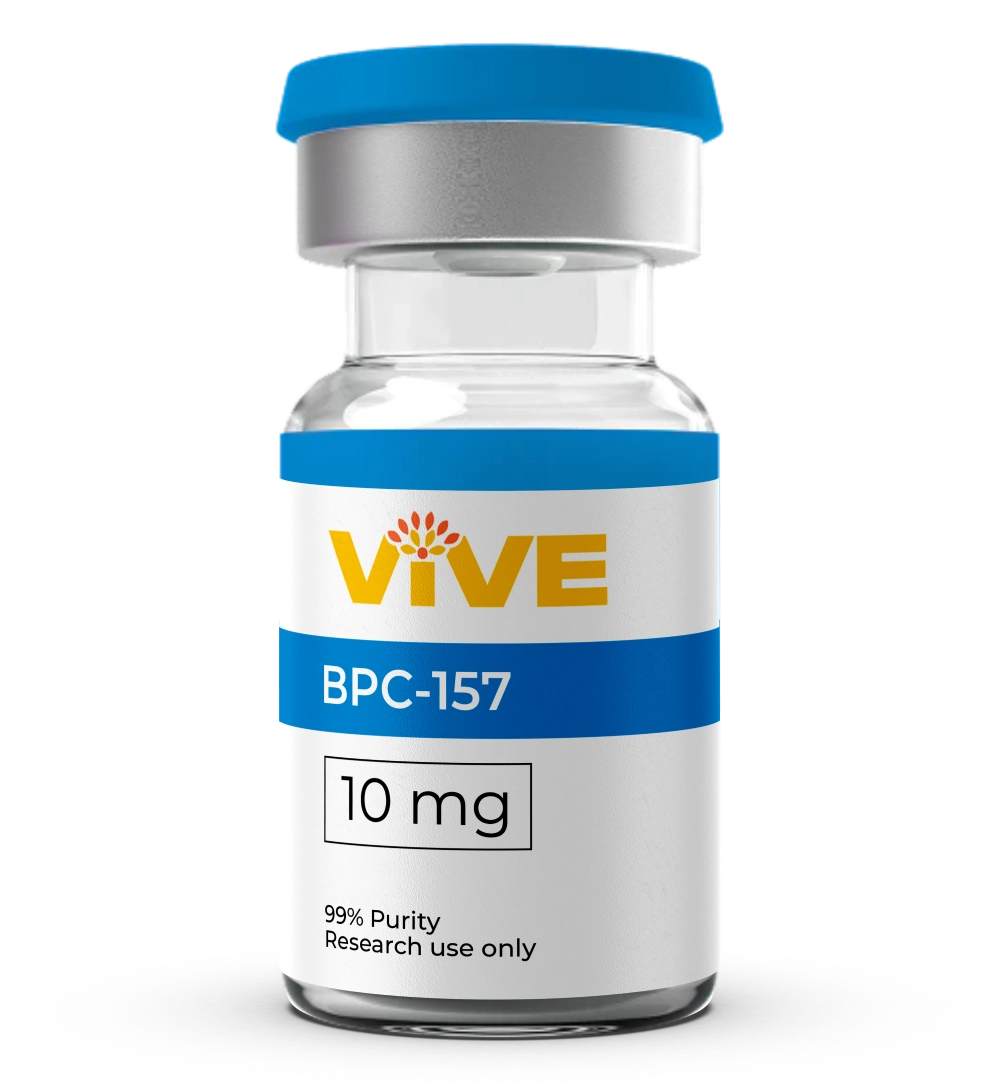
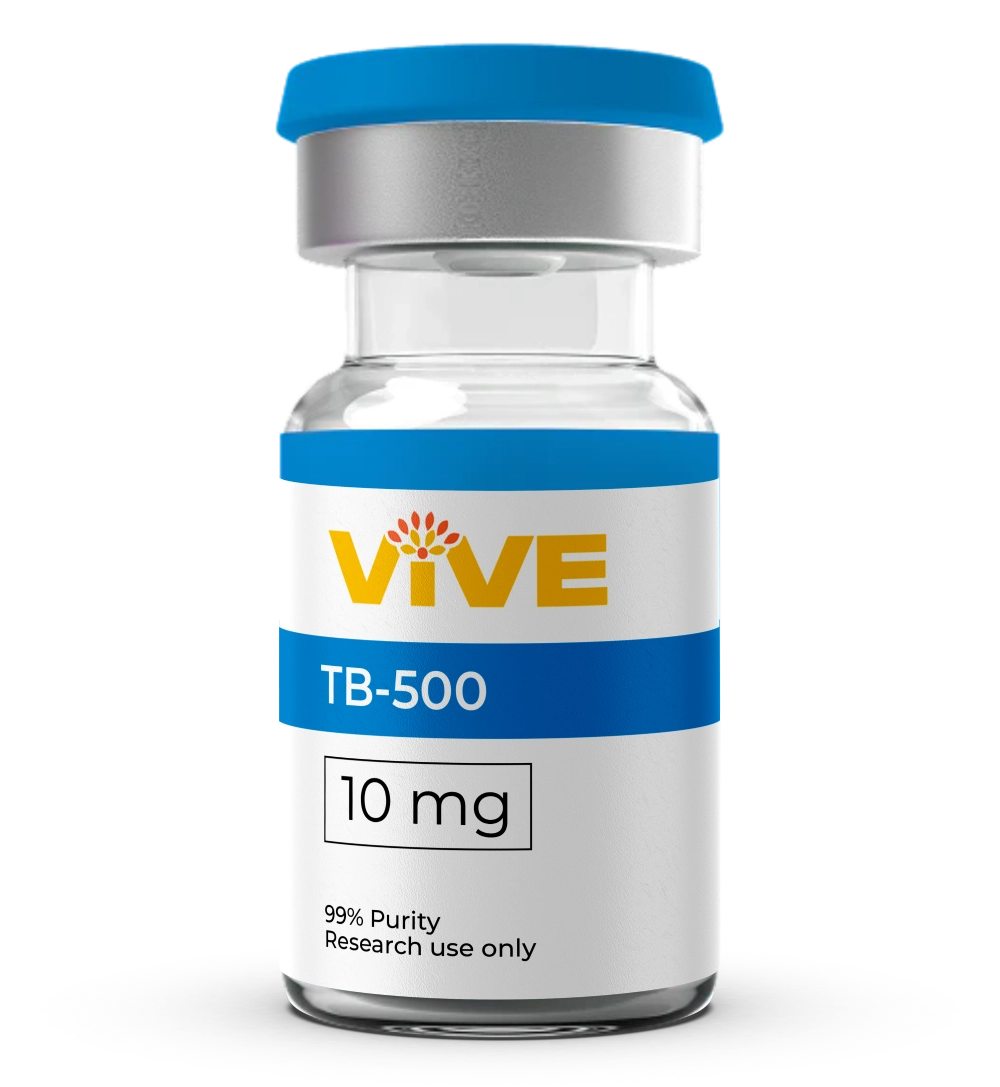
Starting in 2023 and accelerating through 2026, the FDA moved several peptides off the 503A and 503B compounding pathways. BPC-157, TB-500, and related compounds were placed on agency designation lists as substances that are difficult to compound, effectively limiting their availability through licensed U.S. compounding pharmacies.
This shift has forced research labs toward research-chemical suppliers operating outside the clinical prescription channel. Proper documentation of research intent, storage conditions, and compound sourcing has become a key compliance consideration for any active peptide study. Researchers can review BPC-157 in published studies for detailed technical data to support protocol design.

What Is Driving Global Growth Despite Restrictions
Several factors sustain the market even as U.S. compounding options narrow:
- Pharmaceutical pipeline: Dozens of peptide-based drugs are in Phase II and Phase III trials globally, sustaining company-level investment across the therapeutics sector.
- Biohacker and wellness demand: A growing segment of the market is actively sourcing research peptide compounds through non-prescription channels.
- Synthesis capacity: Contract manufacturers in Europe and Asia are increasing production volume, keeping global supply relatively stable.
A 2015 analysis in Drug Discovery Today (Fosgerau and Hoffmann) identified peptide-based drugs as one of the fastest-growing therapeutic drug categories by new approvals. The report data and subsequent FDA approval records confirm that trajectory has continued through 2026.
How the Research Landscape Is Shifting
Understanding the peptide industry in 2026 requires tracking both growth metrics and enforcement trends simultaneously. Labs are investing in stronger internal documentation frameworks. Published study protocols now routinely include explicit research-only statements. The body of peer-reviewed data on recovery, metabolic, and neuroprotective peptide applications continues expanding in both volume and scope.
Researchers focused on GLP-1 mechanisms can reference Semaglutide research data for compound-level analysis. For a side-by-side compound comparison, the BPC-157 vs TB-500 research breakdown covers the two most-studied recovery peptides in depth. The Tirzepatide vs Retatrutide research breakdown addresses next-generation metabolic research compounds, and 7 Best Peptides for Muscle Recovery Research in 2026 structures current preclinical data by application area.
Frequently Asked Questions
Why are peptides like BPC-157 harder to source in 2026?
The FDA placed BPC-157 and related compounds on its difficult-to-compound designation list under 503A and 503B pharmacy regulations. This restricts licensed compounding pharmacies from producing these compounds, directing researchers toward research-chemical suppliers. Documentation of research intent and compound sourcing chain of custody has become a key compliance step for any active study protocol.
What is the size of the global peptide therapeutics market?
MarketsandMarkets (2023 report) projected the global peptide therapeutics market at $45.5 billion by 2026, growing at approximately 9.4% annually. North America leads by volume, with Asia-Pacific the fastest-growing region by new research activity and synthesis capacity expansion.
How does peptide synthesis affect compound availability?
Improvements in solid-phase peptide synthesis have reduced per-unit production costs significantly over the past decade. This makes research peptide compounds more accessible to academic labs and independent researchers globally, partially offsetting the reduction in U.S. compounding pharmacy supply and maintaining overall market volume.
What documentation do researchers need when sourcing peptides?
Best practice includes a written research protocol, compound-specific certificates of analysis from the supplier, and storage condition records. Some institutions require internal review board documentation even for non-clinical bench research. Thorough chain-of-custody records protect both the researcher and the institution and satisfy most institutional compliance audits.
Are GLP-1 peptides covered by the same compounding restrictions?
GLP-1 receptor agonists have a distinct regulatory path from non-hormone peptides. FDA guidance on GLP-1 compounding has shifted multiple times since 2023. Researchers should review current agency guidance documents and supplier certificates of analysis before sourcing any GLP-1 compound for study purposes.
Build Your Research Protocol on Verified Sources
For researchers who need accurate compound data and sourcing documentation in the current regulatory environment, The Complete Guide to Reconstituting Peptides with Bacteriostatic Water covers preparation standards that support compliant, well-documented research protocols.
Research Use Only
All information in this article is intended for educational and research purposes only. VivePeptides products are not intended for human or veterinary use.