Research Article
6 Best Peptides for Anti-Aging Research: From GHK-Cu to NAD+
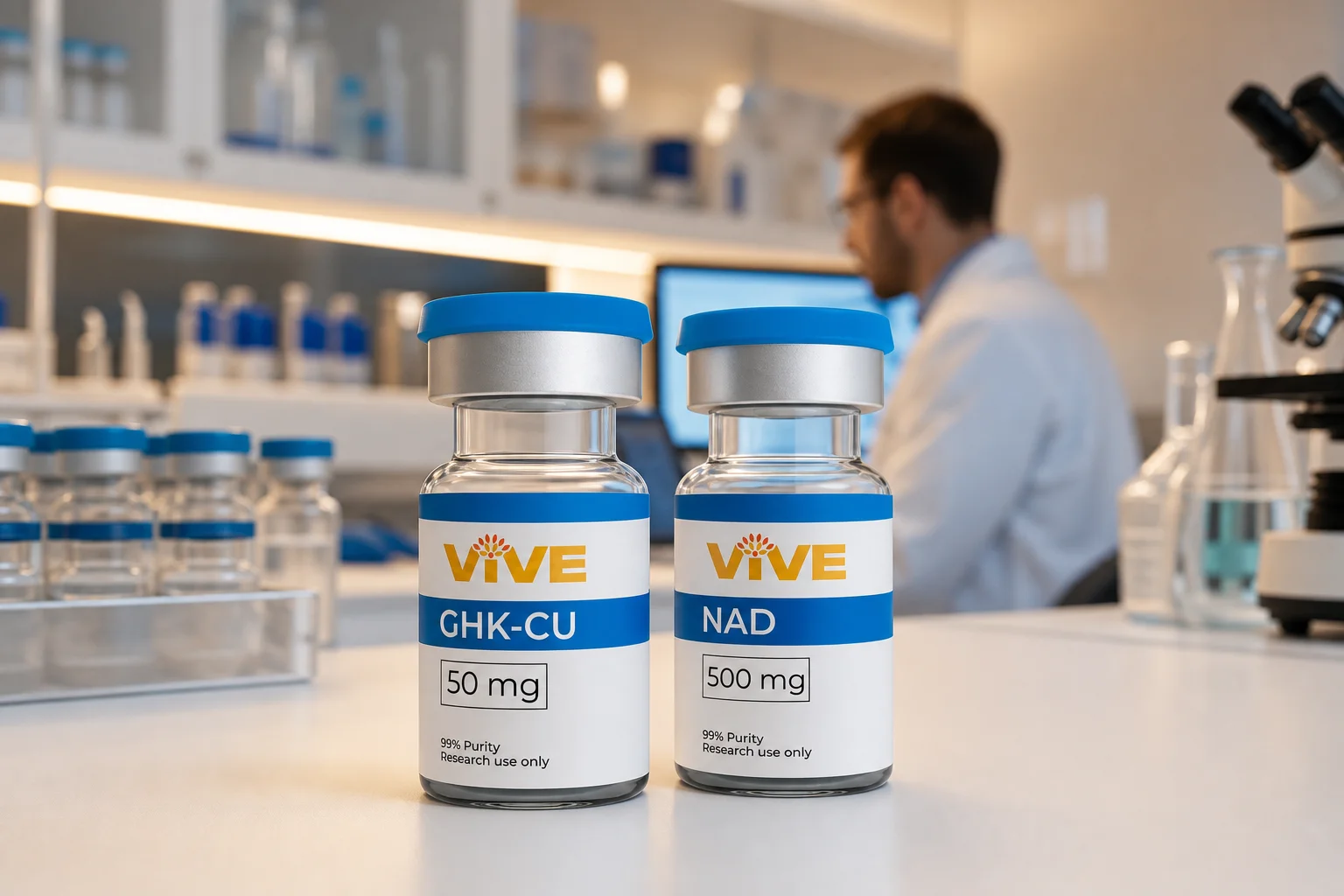
The 6 best peptides for anti-aging research include GHK-Cu, Epithalon, BPC-157, TB-500, SNAP-8, and NAD+. Each targets a distinct mechanism of skin aging, collagen synthesis, wound healing, or telomere maintenance, giving geroscience researchers a well-characterized toolkit for studying biological aging processes at the molecular level.
How Peptides Work at the Cellular Level
Peptides are short chains of amino acids linked by peptide bonds. These short chains amino acids function as signaling molecules, receptor ligands, and enzymatic modulators depending on their sequence and three-dimensional structure. Anti-aging peptides specifically refer to compounds that interact with mechanisms governing cellular senescence, extracellular matrix production, oxidative stress response, and telomere maintenance.
Understanding how peptides work at the cellular level requires distinguishing them from full-length proteins. Short chains of fewer than 50 amino acids penetrate cell membranes and tissue barriers more readily than larger protein complexes, enabling target specific receptor engagement with greater efficiency. This structural advantage has made peptides central to modern longevity and geroscience research programs focused on biological health outcomes.
The current body of evidence supports multiple distinct mechanisms by which anti-aging peptides influence biological age markers. These range from upregulating collagen synthesis in dermal fibroblasts to activating telomerase in aging somatic cells. Peptide therapy as a research discipline has expanded substantially over the past two decades as analytical tools for studying these cellular mechanisms have become more refined.
GHK-Cu: Copper Peptide and Collagen Synthesis
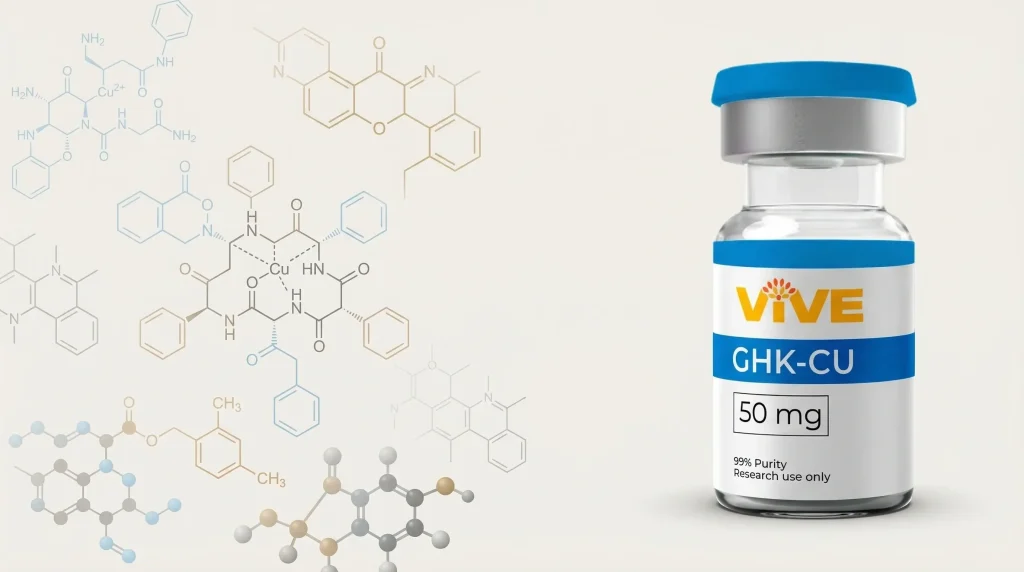
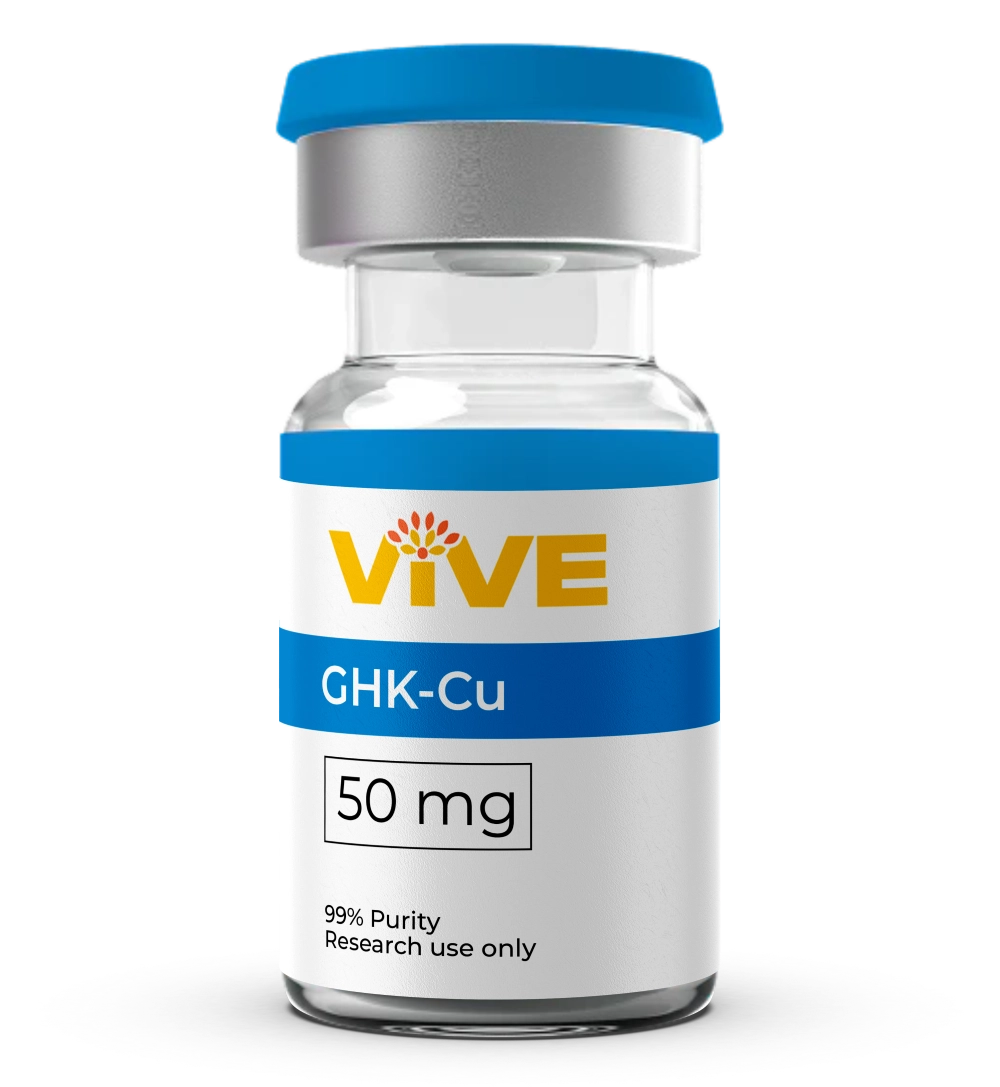
GHK-Cu (glycyl-L-histidyl-L-lysine copper complex) is among the best peptides anti-aging researchers have examined for dermal remodeling. Loren Pickart, who first isolated GHK from human plasma albumin in 1973, documented its activity across fibroblast culture and wound healing studies over several decades. A 2009 review in the Journal of Biomaterials Science summarized GHK-Cu's capacity to upregulate collagen synthesis, stimulate elastin production, and increase glycosaminoglycan deposition in dermal tissue models.
In skin aging research, GHK-Cu's clinical relevance centers on restoring extracellular matrix architecture that degrades with biological age. Aged skin shows reduced fibroblast activity and declining structural protein concentrations. GHK-Cu counteracts this through transcription factor signaling that reactivates collagen-producing pathways. Multiple controlled studies have reported reductions in fine lines and improvements in dermal density following topical GHK-Cu application, with delivery formulation identified as a key variable in bioavailability outcomes.
Beyond skin applications, GHK-Cu demonstrates anti-inflammatory and antioxidant properties in preclinical models. Its copper-dependent superoxide dismutase activity contributes to cellular protection against oxidative damage, a primary driver of biological aging across tissue types. For researchers examining dermal anti-aging peptides, GHK-Cu is among the most cited compounds in the peer-reviewed literature.
Epithalon: Synthetic Tetrapeptide and Telomere Research
Epithalon (Ala-Glu-Asp-Gly) is a synthetic tetrapeptide derived from Epithalamin, a polypeptide extract from bovine pineal gland tissue. Vladimir Khavinson at the St. Petersburg Institute of Bioregulation and Gerontology studied Epithalon across several decades, publishing findings in journals including Annals of the New York Academy of Sciences and Neuro Endocrinology Letters. Epithalon is considered one most promising synthetic tetrapeptide compounds in current longevity research, largely due to its proposed mechanism of telomerase activation in aging cell populations.
Telomere shortening is a hallmark of cellular aging, with each cell division consuming a portion of terminal chromosome sequences. In a 2003 study by Khavinson et al. published in Neuro Endocrinology Letters, Epithalon treatment was associated with increased telomere length in human somatic cell cultures. This finding has made Epithalon a frequently cited anti-aging peptide in geroscience literature focused on the cellular aging clock and biological longevity markers.
Additional research has explored Epithalon's effects on melatonin production, antioxidant enzyme levels, and circadian regulation in aging animal models. Preclinical evidence from the Russian research programs in which Epithalon was developed suggests the compound may reduce oxidative damage markers and support cellular longevity pathways beyond telomere maintenance alone.
BPC-157 and TB-500: Tissue Repair and Wound Healing
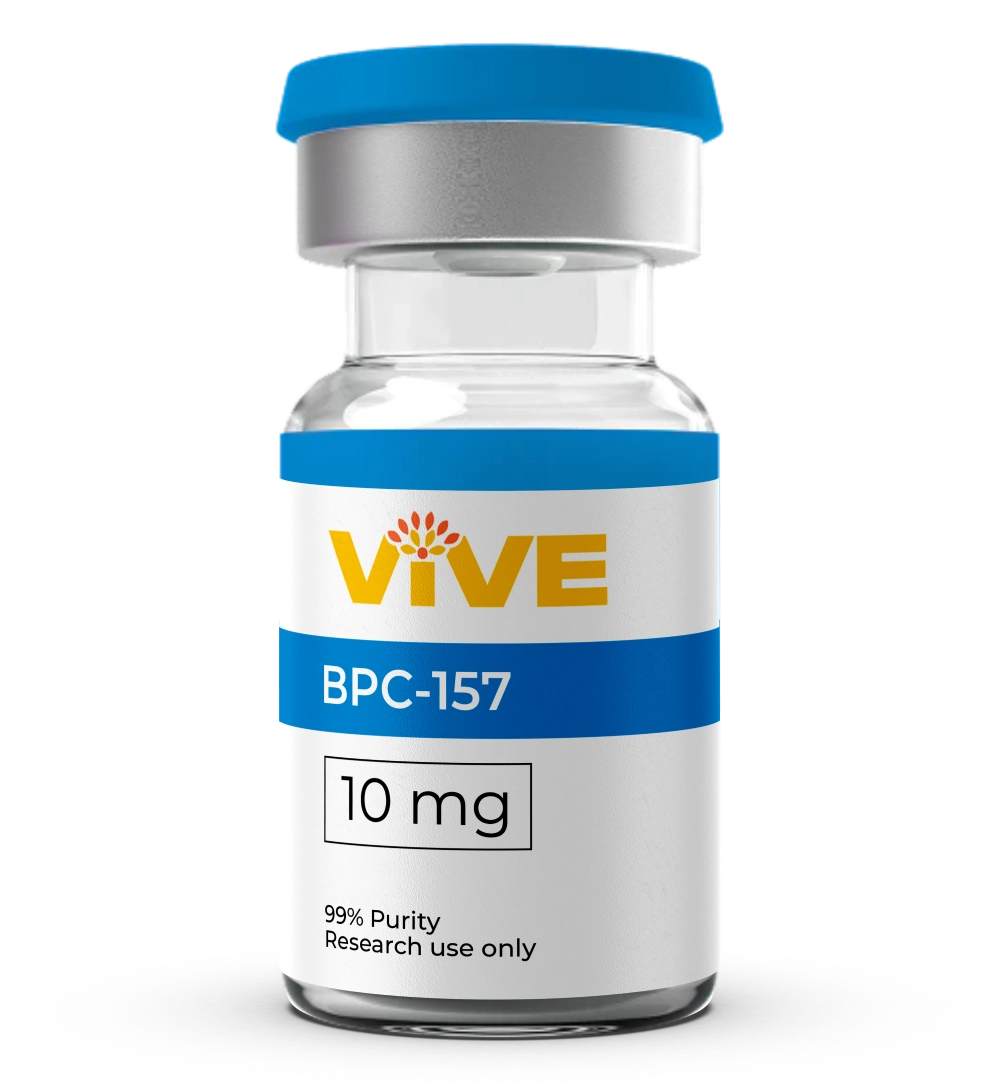
BPC-157 (Body Protection Compound-157) is a pentadecapeptide derived from a sequence found in human gastric juice protein. Its research profile spans tissue repair, angiogenesis, and systemic cytoprotection across multiple organ systems. Sikiric et al., in a 2018 review published in Current Pharmaceutical Design, outlined BPC-157's capacity to upregulate growth factor receptors including VEGFR2 and EGFR, facilitating wound healing, tendon repair, and gastrointestinal mucosal recovery in rodent models.
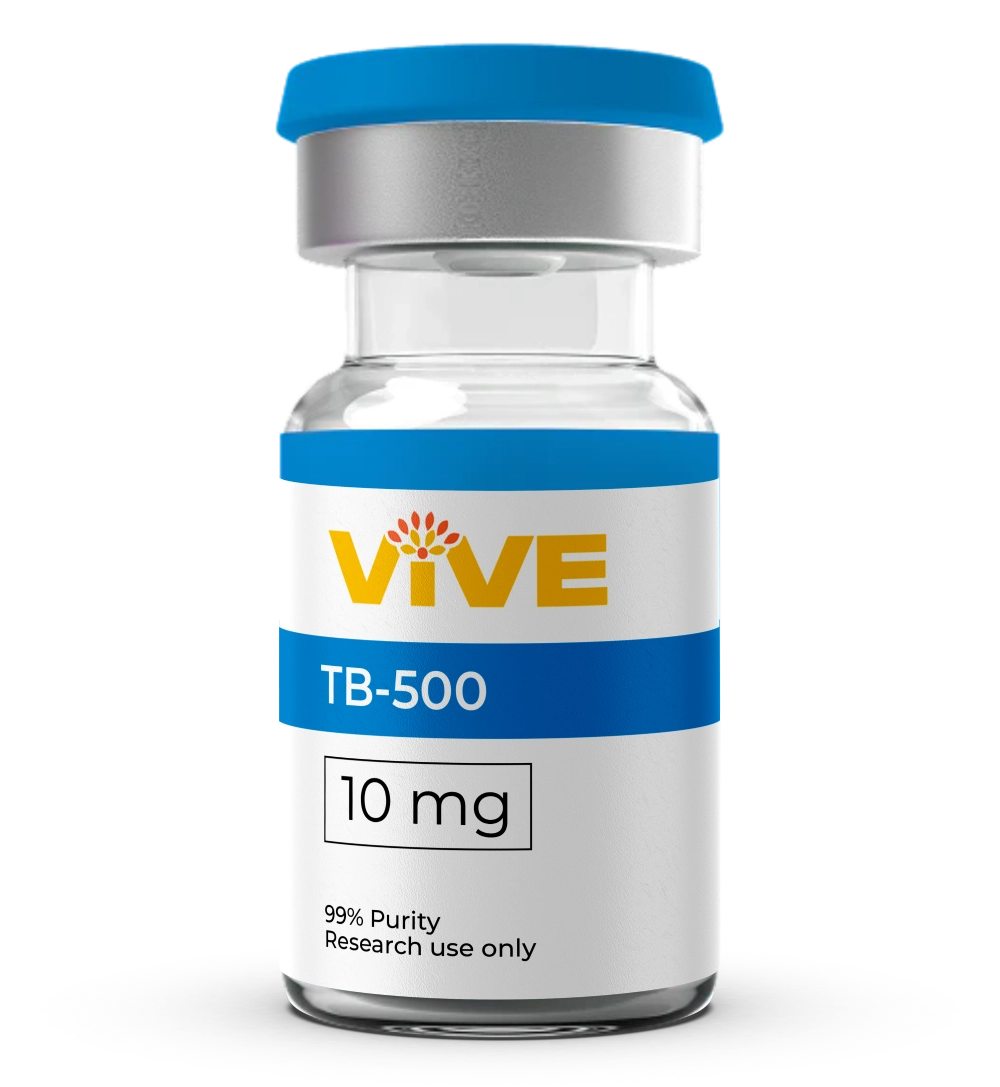
TB-500 is a fragment of Thymosin Beta-4, a naturally occurring peptide present in high concentrations at wound sites throughout the human body. Research by Goldstein and colleagues, published in Annals of the New York Academy of Sciences, characterized Thymosin Beta-4's role in promoting cell migration, reducing inflammation, and accelerating tissue remodeling after injury. The TB-500 fragment retains the actin-binding domain considered responsible for these wound healing properties.
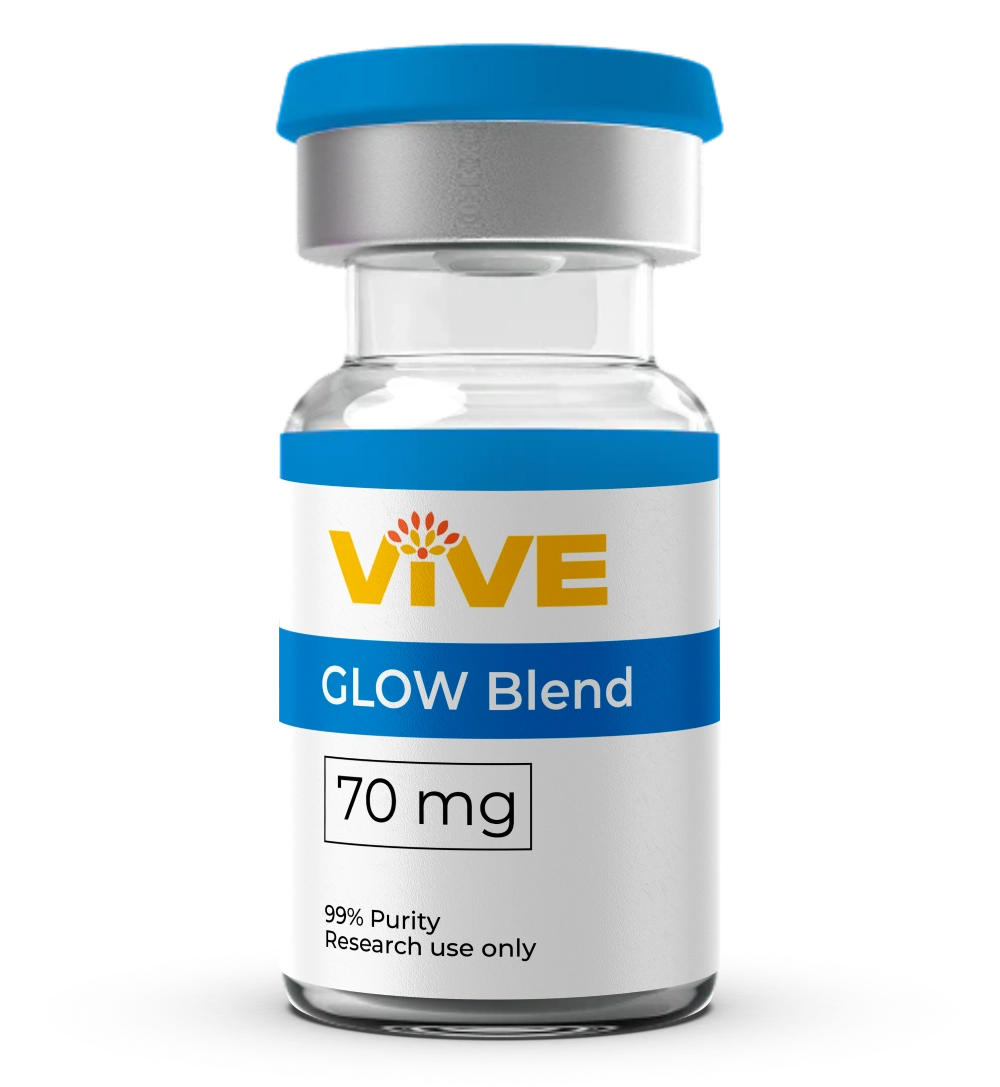
Together, BPC-157 and TB-500 represent chains amino acids with complementary tissue repair mechanisms. Researchers studying healing and regeneration often examine these compounds in parallel because their signaling pathways target distinct steps in the repair cascade. The Glow Blend combining BPC-157, TB-500, and GHK-Cu is available for researchers investigating the combined effects of these three compounds.
SNAP-8: Targeting Fine Lines Through Neuropeptide Research
SNAP-8 is an octapeptide fragment of SNAP-25, a synaptosomal-associated protein involved in neurotransmitter vesicle fusion at the neuromuscular junction. Its research application in skin aging derives from its ability to modulate the SNARE complex, which facilitates acetylcholine release at the dermal-muscular interface. By competitively inhibiting this signaling pathway, SNAP-8 has been studied as a topical anti-aging peptide with potential to reduce expression-related fine lines caused by repetitive facial muscle contraction.
A controlled study published in the International Journal of Cosmetic Science evaluated SNAP-8 effects in a test panel, documenting measurable reductions in wrinkle depth after topical application. While this research occupies primarily cosmeceutical territory, SNAP-8 illustrates how peptides work through neurological modulation pathways that are entirely distinct from collagen synthesis approaches used by compounds like GHK-Cu.
SNAP-8 belongs to a class of anti-aging peptides researchers classify as neuropeptides because of their influence over muscle and skin dynamics. This positions it as a useful parallel research subject alongside dermal matrix peptides when constructing multi-target anti-aging peptide therapy frameworks. Its mechanism makes it one of the more conceptually distinct compounds in the best peptides anti-aging research literature.
NAD+ and Mitochondrial Function in Longevity Research
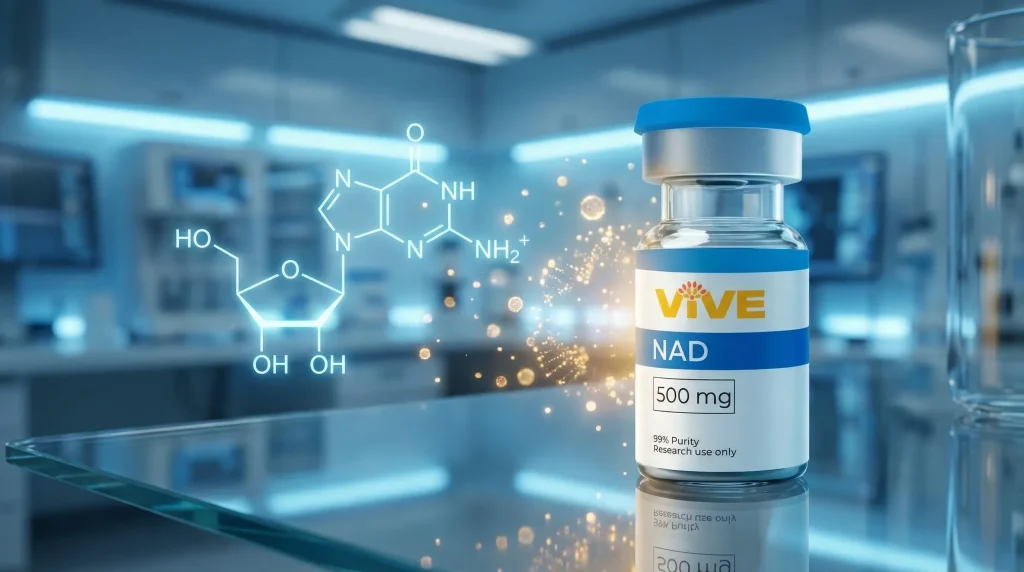
NAD+ (nicotinamide adenine dinucleotide) is a coenzyme with a central role in mitochondrial energy metabolism and DNA repair signaling. Though not a peptide in the classical sense, NAD+ has become a core subject in peptide therapy research because its functional decline with biological age intersects directly with peptide-regulated longevity pathways and cellular health outcomes.
Levels of NAD+ decline significantly across biological aging. Eric Verdin, in a review published in Science (2015), documented NAD+ depletion across aging tissues and its downstream effects on sirtuin enzyme activity, PARP-mediated DNA repair, and mitochondrial function. Reduced NAD+ availability is associated with impaired cellular energy production, elevated oxidative stress, and accelerated markers of biological aging in animal models.
Restoring NAD+ levels through precursor supplementation or direct delivery has been studied for improving mitochondrial respiration, activating longevity-associated sirtuins, and reducing inflammation in aged tissue. Within peptide therapy research programs, NAD+ is often evaluated alongside growth hormone secretagogues and cytoprotective peptides to assess whether restoring cellular energy availability amplifies the activity of anti-aging peptide compounds in combinatorial protocols.
Frequently Asked Questions
What makes GHK-Cu one of the best peptides for anti-aging research?
GHK-Cu directly stimulates collagen synthesis and extracellular matrix remodeling in fibroblast cultures. Research by Pickart (Journal of Biomaterials Science, 2009) documented its capacity to increase collagen, elastin, and glycosaminoglycan levels in human dermal tissue models. Its evidence base spans both skin aging and wound healing applications, making it one of the most cited copper-based anti-aging peptide compounds in the published clinical and preclinical literature.
How does Epithalon affect telomere length in research models?
Khavinson et al. (Neuro Endocrinology Letters, 2003) reported that Epithalon stimulated telomerase activity in human somatic cells, resulting in measurable telomere elongation in vitro. This mechanism links Epithalon to cellular longevity pathways, as telomere attrition is a documented biological aging marker. Its classification as a synthetic tetrapeptide distinguishes it from larger peptide chains in terms of tissue accessibility and receptor specificity.
Can anti-aging peptides be combined in research protocols?
Yes. BPC-157, TB-500, and GHK-Cu are frequently studied together because their wound healing and tissue repair mechanisms are complementary rather than redundant. NAD+ is often evaluated alongside growth hormone secretagogues in longevity protocols. Researchers should establish baseline data for each compound individually before assessing combinatorial effects, and all protocols should follow applicable institutional research guidelines.
What role does NAD+ play in mitochondrial anti-aging research?
NAD+ serves as a substrate for sirtuins and PARP enzymes, which regulate DNA repair and mitochondrial function. As Verdin documented in Science (2015), NAD+ levels decline with biological aging, impairing cellular energy metabolism and reducing longevity-associated enzyme activity. Restoring NAD+ availability has been associated with improved mitochondrial respiration and reduced oxidative stress markers in multiple preclinical aging models.
How do neuropeptides like SNAP-8 target fine lines differently from collagen peptides?
SNAP-8 modulates the SNARE protein complex at the neuromuscular junction, reducing the intensity of muscle contractions that produce expression-related fine lines over time. This mechanism differs fundamentally from collagen synthesis pathways targeted by compounds like GHK-Cu. Researchers studying multi-modal skin aging interventions often treat neuropeptides and dermal matrix peptides as parallel rather than competing strategies within the same research framework.
Researchers building anti-aging study protocols will find a comprehensive selection of research-grade compounds, including every peptide reviewed above, available at the VivePeptides shop.
Research Use Only
All information in this article is intended for educational and research purposes only. VivePeptides products are not intended for human or veterinary use.