Research Article
Retatrutide vs Semaglutide: Triple Agonist Research
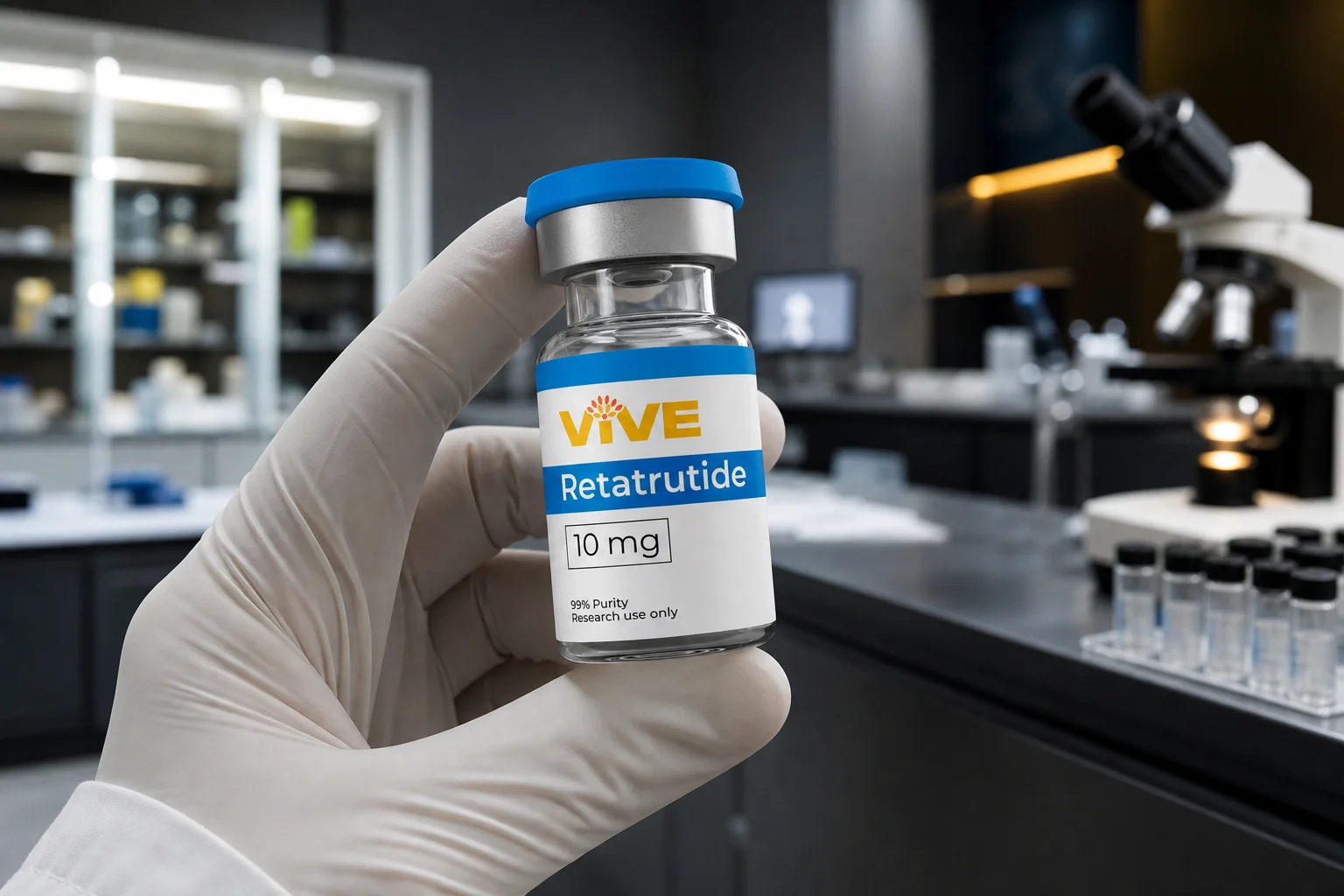
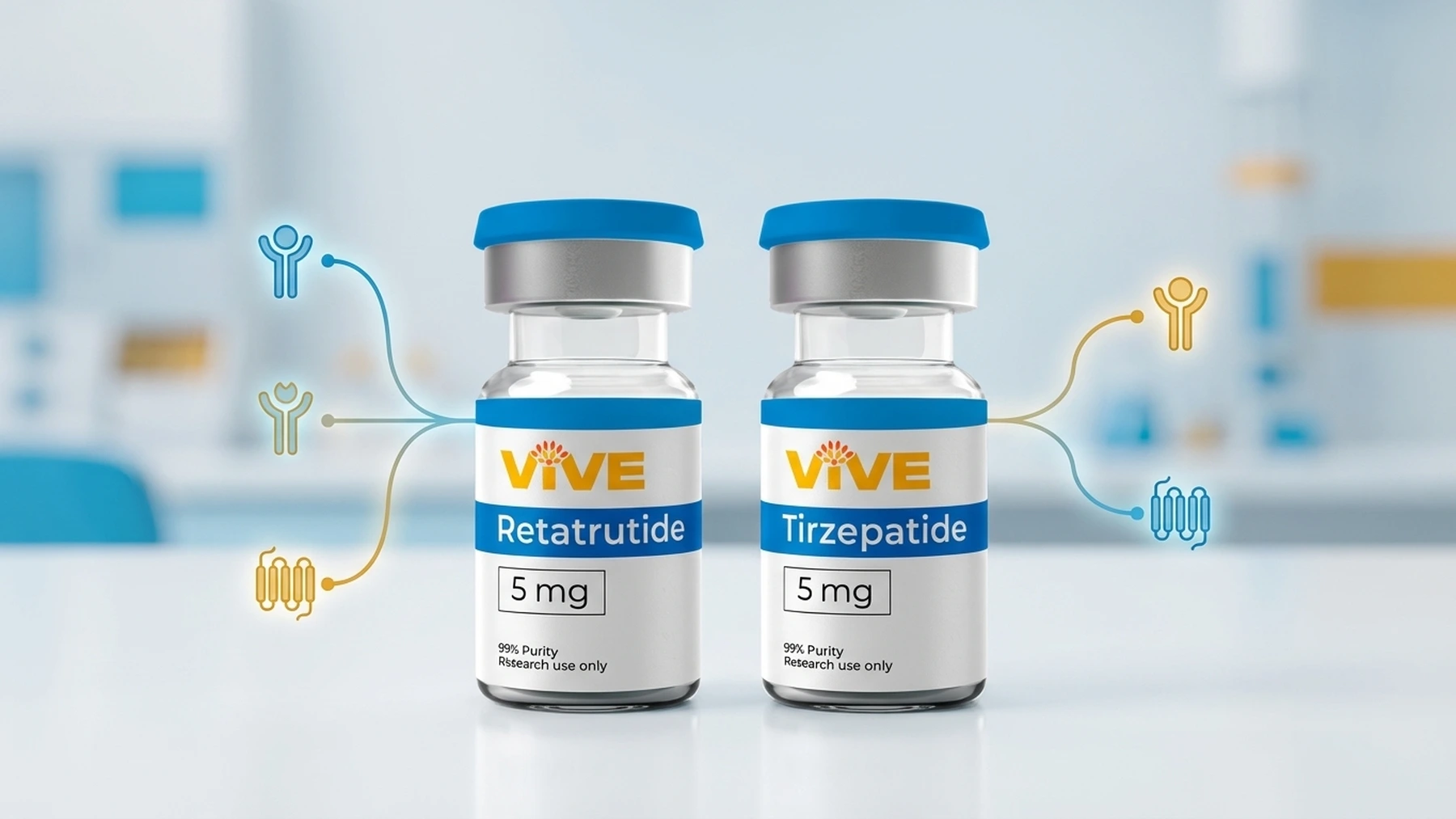
In head-to-head research context, retatrutide vs semaglutide reveals a fundamental difference in receptor strategy. Semaglutide selectively activates GLP-1 receptors to reduce appetite and regulate blood sugar. Retatrutide simultaneously targets GLP-1 GIP and glucagon receptors through a triple-agonist mechanism that Phase 2 clinical data links to substantially greater reductions in body weight.
Mechanisms of Action: Single vs Triple Receptor Targeting
Semaglutide functions as a selective GLP-1 receptor agonist. By binding to receptors in the hypothalamus, gut, and pancreas, it reduces appetite signaling, slows gastric emptying, and stimulates glucose-dependent insulin release. These combined mechanisms produce consistent reductions in body weight and improvements in blood sugar across multiple Phase 3 clinical trials. The STEP 1 trial (Wilding et al., New England Journal of Medicine, 2021) established semaglutide as the clinical benchmark for peptide-based weight management research.
Retatrutide extends this mechanism through simultaneous activation of three receptor systems. As a GLP-1 GIP glucagon triple agonist, it engages GLP-1 receptors for appetite suppression, GIP receptors for enhanced insulin secretion and lipid metabolism, and glucagon receptors for hepatic energy expenditure and liver fat mobilization. Each receptor system contributes a distinct metabolic action, and researchers hypothesize the combined signal produces effects greater than the sum of individual receptor activations.
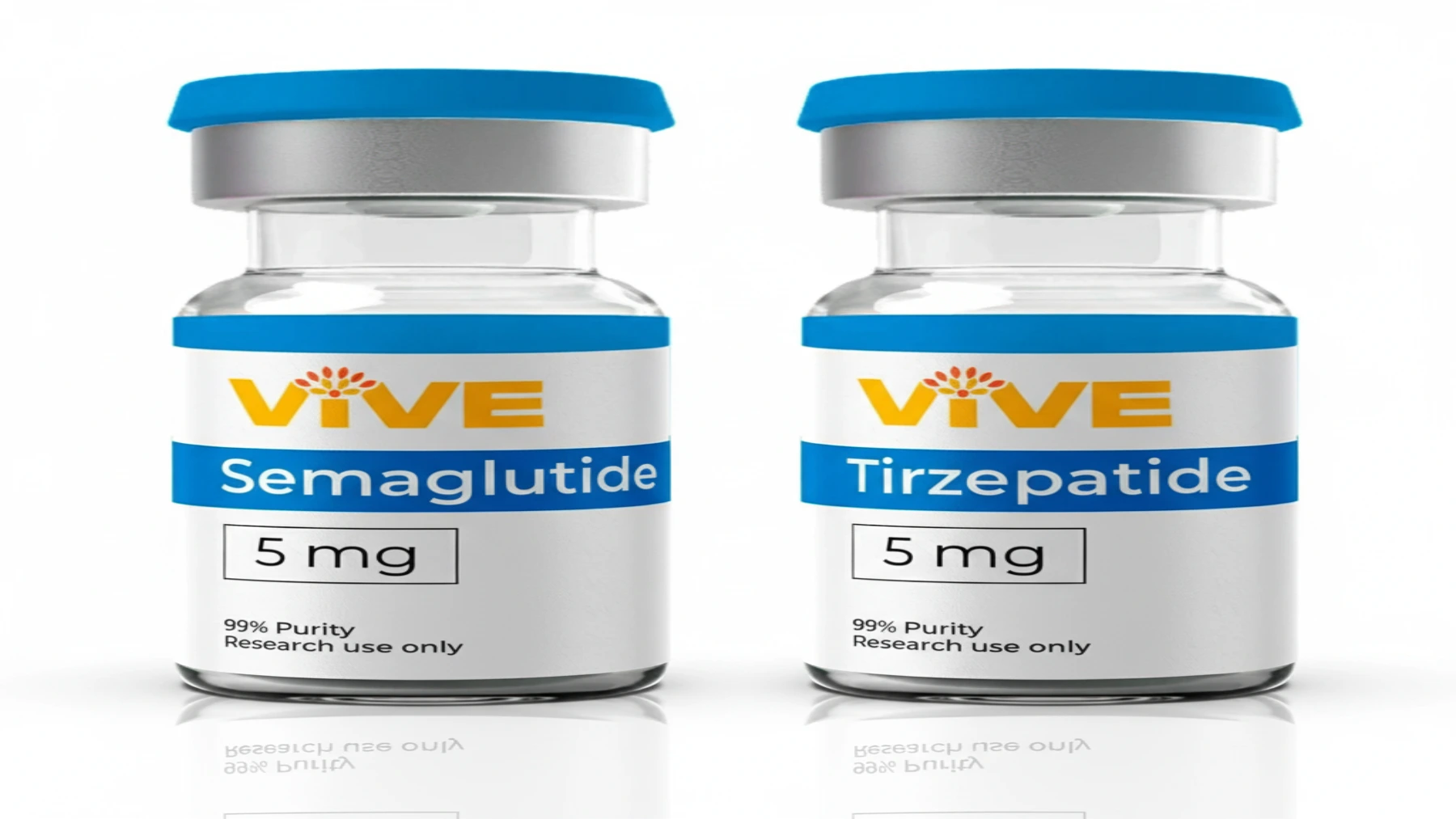
This architecture separates retatrutide from both semaglutide and tirzepatide, the approved dual GLP-1 GIP receptor agonist positioned between the two compounds in terms of receptor coverage. Tirzepatide targets GLP-1 and GIP receptors but excludes glucagon signaling, making retatrutide the most receptor-complete triple agonist candidate in this investigational class.
GLP-1 Receptor Agonist Pharmacology and Incretin Biology
The GLP-1 receptor agonist mechanism shared by all three compounds mimics endogenous glucagon-like peptide-1, an incretin hormone released from intestinal L-cells in response to nutrient ingestion. It signals satiety to the brain while promoting insulin release from the pancreas. Semaglutide's selective GLP-1 receptor agonism produces its core efficacy in weight management and type 2 diabetes research applications, and this mechanism is what links the side effect profiles of all three compounds.
Phase 2 Clinical Trial Data: Comparing Weight Reduction Results
In a semaglutide vs retatrutide analysis drawing from matched Phase 2 and Phase 3 data, researchers rely on two separate but contemporaneous New England Journal of Medicine publications rather than a single head-to-head trial.
In the STEP 1 trial, Wilding et al. (2021) documented that semaglutide at 2.4 mg per week produced a mean 14.9% reduction in body weight over 68 weeks in adults with obesity but without type 2 diabetes. This result established the weight loss semaglutide benchmark against which subsequent compounds are evaluated and framed the semaglutide retatrutide comparison as a central research question in metabolic peptide science.
Phase 2 weight loss retatrutide data from Jastreboff et al. (New England Journal of Medicine, 2023) showed dose-dependent reductions reaching 24.2% at the 12 mg weekly dose over 48 weeks, with some participants in the highest-dose cohort approaching 30% reduction in body weight. The loss retatrutide signal at 48 weeks exceeded the semaglutide STEP 1 result achieved at 68 weeks, generating substantial interest among researchers studying next-generation weight loss approaches.
Researchers caution that these are separate trials using different populations, endpoints, and study durations. A Phase 3 head-to-head comparison has not been published as of early 2026. The available data does position retatrutide as the most effective weight loss candidate observed in Phase 2 trials within this peptide class.
Side Effects: Shared Profiles and Divergent Signals
The primary side effects across both compounds are gastrointestinal in nature and directly linked to GLP-1 receptor agonism. Nausea, vomiting, diarrhea, and constipation are the most frequently reported adverse events in clinical trials for semaglutide retatrutide compounds, and both show dose-dependent patterns where higher doses correlate with greater incidence.
For semaglutide, the SUSTAIN-6 trial (Marso et al., New England Journal of Medicine, 2016) established a well-characterized safety profile across a large cardiovascular outcomes population. Gastrointestinal side effects emerged primarily during dose escalation and attenuated at stable maintenance doses. Cardiovascular outcome data showed a reduction in major adverse cardiac events relative to placebo in a type 2 diabetes population, adding a beneficial secondary signal alongside weight loss.
Retatrutide's glucagon receptor component introduces investigational signals not present with semaglutide. Glucagon receptor agonism can affect hepatic glycogenolysis and cardiovascular parameters at high doses. Phase 2 data from Jastreboff et al. (2023) suggested that GIP receptor activation may partially buffer adverse glucagon signals, and observed side effects remained within tolerability ranges comparable to GLP-1 only compounds during the study duration. The full safety characterization of retatrutide requires Phase 3 results across broader populations and longer treatment windows.
For researchers evaluating either compound, managing side effects through gradual titration protocols is standard investigational practice consistent with GLP-1 receptor agonist pharmacology.
Weight Management and Metabolic Subtype Applications
Semaglutide's investigational and clinical record spans both type 2 diabetes management and chronic weight management contexts. The GLP-1 receptor agonist mechanism produces reductions in fasting blood sugar, postprandial glucose excursions, and HbA1c alongside body weight benefits, making it broadly applicable across metabolic research designs.
Retatrutide's triple mechanism addresses a wider metabolic footprint. The glucagon receptor component increases hepatic fatty acid oxidation and reduces liver fat content, positioning retatrutide as a candidate for non-alcoholic fatty liver disease research alongside primary weight management endpoints. This liver-targeted action represents a mechanistic distinction from semaglutide that researchers studying metabolic syndrome, hepatic steatosis, or insulin resistance may find relevant to their research design.
The most effective weight management strategies in current investigational research address multiple metabolic pathways simultaneously rather than relying on single-mechanism interventions. Both single GLP-1 and dual GLP-1 GIP approaches demonstrate clinical value, and the triple receptor design of retatrutide extends that coverage to include glucagon signaling. Researchers seeking investigational compounds for metabolic weight management studies can explore available options at the VivePeptides shop.
Glucose Regulation, Insulin Sensitivity, and Hepatic Effects
Both compounds influence glucose homeostasis and insulin sensitivity, with meaningful mechanistic differences in scope and tissue target.
Semaglutide's GLP-1 receptor agonism drives glucose-dependent insulin secretion from pancreatic beta cells, meaning insulin release amplifies primarily when blood sugar is elevated. This selectivity minimizes hypoglycemia risk while producing sustained improvements in blood sugar control. Long-term data from the SUSTAIN and PIONEER clinical trials document consistent HbA1c reductions alongside body weight benefits across type 2 diabetes and obesity populations.
Retatrutide adds a second insulinotropic pathway through GIP receptor agonism. GIP receptor activation enhances insulin secretion and improves peripheral insulin sensitivity in adipose tissue, producing complementary glucose effects that address insulin resistance beyond what GLP-1 receptor signaling achieves alone. The glucagon receptor component modulates hepatic insulin action, reduces liver fat, and promotes hepatic fatty acid oxidation, contributing to whole-body insulin sensitization.
Tirzepatide clinical data from the SURMOUNT program (Jastreboff et al., New England Journal of Medicine, 2022) confirmed that dual GLP-1 GIP receptor agonism improved insulin sensitivity markers and produced health benefits beyond GLP-1 only approaches. Researchers extrapolate that the additional glucagon receptor coverage in retatrutide may extend these benefits further, with Phase 3 data needed to confirm this hypothesis across larger populations and longer durations.
Research-grade Semaglutide and Retatrutide are available through VivePeptides for investigational use in controlled research settings.
Frequently Asked Questions
Which compound produces greater weight loss, retatrutide or semaglutide?
Phase 2 data from Jastreboff et al. (New England Journal of Medicine, 2023) showed retatrutide achieving a mean 24.2% reduction in body weight at the 12 mg dose over 48 weeks. Semaglutide produced approximately 14.9% reduction over 68 weeks in the STEP 1 trial. These are separate study populations rather than a direct comparison, but retatrutide demonstrated the most effective weight loss signal observed in Phase 2 peptide trials to date.
What is the receptor mechanism difference between semaglutide and retatrutide?
Semaglutide is a selective GLP-1 receptor agonist. Retatrutide simultaneously activates GLP-1, GIP, and glucagon receptors. The addition of GIP receptor and glucagon receptor agonism expands metabolic effects to include enhanced insulin sensitivity, lipid metabolism, hepatic fat reduction, and increased energy expenditure beyond what GLP-1 receptor agonism alone achieves.
What side effects do both compounds share in clinical trials?
Both semaglutide and retatrutide produce dose-dependent gastrointestinal side effects including nausea, vomiting, diarrhea, and constipation as the most common adverse events in clinical trials. These side effects are characteristic of GLP-1 receptor agonism and typically peak during dose escalation before attenuating at stable maintenance doses in both compounds.
Is retatrutide approved for human therapeutic use?
As of 2026, retatrutide remains in Phase 3 clinical trials and is not FDA-approved for human therapeutic use. All current research is conducted under investigational protocols. Semaglutide is approved under brand names Ozempic for type 2 diabetes and Wegovy for chronic weight management in adults meeting clinical criteria.
How does tirzepatide fit between semaglutide and retatrutide in this comparison?
Tirzepatide targets GLP-1 and GIP receptors, placing it between semaglutide (GLP-1 only) and retatrutide (GLP-1, GIP, and glucagon) in receptor coverage. SURMOUNT Phase 3 trials showed tirzepatide achieving approximately 22% body weight reduction, placing its results between STEP 1 semaglutide and Phase 2 retatrutide outcomes across comparable populations.
Researchers studying GLP-1 and GIP receptor biology can access research-grade compounds through VivePeptides, including Semaglutide, Retatrutide, and additional investigational peptides available in the full research catalog.
Research Use Only
All information in this article is intended for educational and research purposes only. VivePeptides products are not intended for human or veterinary use.