
Melanotan 2 (MT-2) is a synthetic peptide analogue of the endogenous hormone alpha‑melanocyte‑stimulating hormone (). It acts to stimulate melanogenesis, the biological process of skin pigmentation. MT‑2 has attracted research interest for potential applications in dermatology and body‑weight regulation. This guide examines the chemical and biological characteristics, molecular structure, dosing considerations, safety profile and sourcing considerations for MT‑2, providing a comprehensive technical reference for researchers and professionals.
Research further emphasizes Melanotan II’s principal role in promoting cutaneous tanning and identifies potential applications in skin cancer prevention.
Melanotan II: Synthetic Peptide for Skin Tanning & Cancer Prevention
Melanotan II is a synthetic cyclic heptapeptide investigated for prevention of sunlight‑induced skin cancer through stimulation of the tanning response.
First preparative solution‑phase synthesis of Melanotan II reported in 2008.
Melanotan 2 is a synthetic analogue of the naturally occurring peptide hormone , which contributes to regulation of cutaneous pigmentation and appetite. MT‑2 is employed in controlled research settings to evaluate its effects on melanogenesis and potential therapeutic indications. Its capacity to induce pigmentation independently of ultraviolet exposure has prompted investigation into applications for photoprotection and cosmetic outcomes, while observed effects on appetite regulation have stimulated interest in weight‑management research.
A foundational understanding of α‑MSH’s role in melanin biosynthesis is necessary to contextualize the action of synthetic analogues such as MT‑2.
Alpha-MSH: Biology of Melanin Synthesis & Skin Pigmentation
α‑MSH is a 13‑amino‑acid neuropeptide secreted by melanocytes and keratinocytes following ultraviolet exposure; it is a principal regulator of melanin biosynthesis and cutaneous pigmentation [1,2,3].
Alpha‑melanocyte stimulating hormone (α‑MSH): biology, clinical relevance and implication in melanoma, 2023
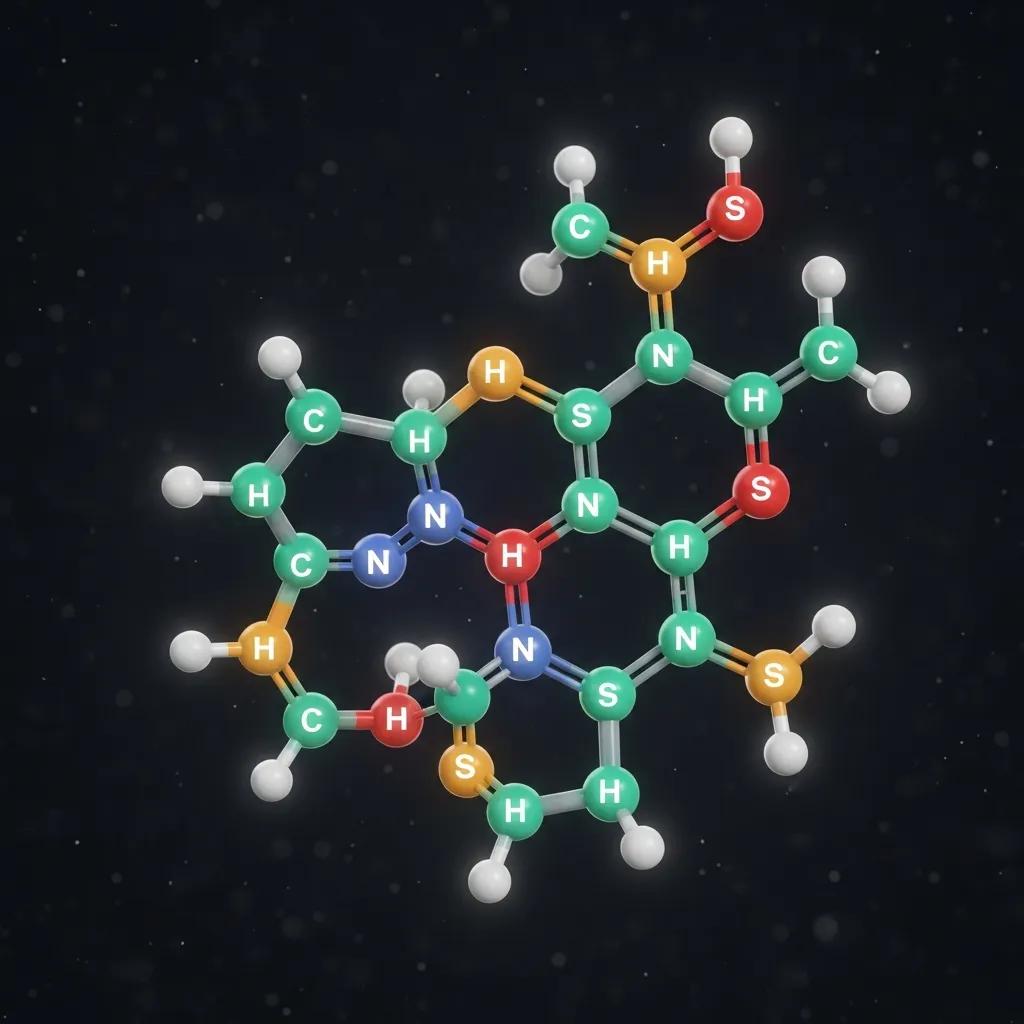
Melanotan 2 exhibits defined chemical and biological properties relevant to its activity. The molecular formula of MT‑2 is CHNO, with a molecular weight of approximately 1024.18 g/mol. MT‑2 functions as a melanocortin receptor agonist, with primary activity at the MC1R subtype, which mediates stimulation of melanin production in the skin. Reported physiological effects include increased pigmentation, reduction of ultraviolet‑induced skin injury, and potential appetite suppression, supporting its use in experimental investigations.
The molecular configuration of Melanotan 2 is defined by its peptide sequence, which determines its biological efficacy. The MT‑2 sequence is modified relative to the endogenous peptide to enhance metabolic stability and pharmacodynamic properties. Detailed analysis of sequence and conformational characteristics is essential for researchers investigating mechanism of action and for designing structural modifications to improve performance in specific applications.
Peptide purity is a critical determinant of experimental quality for MT‑2. Purity specifications of ≥95% are commonly required to ensure reproducibility and validity of results. The synthesis methodology significantly influences purity and batch consistency; standard production techniques include solid‑phase peptide synthesis (SPPS) and solution‑phase synthesis. Analytical quality control methods such as high‑performance liquid chromatography (HPLC) and mass spectrometry are routinely employed to confirm identity and purity. Investigators should procure peptides from suppliers that provide validated analytical documentation.
MT‑2 mediates its effects through activation of melanocortin receptors, principally MC1R. Receptor engagement initiates intracellular signalling cascades that result in upregulated melanogenesis. Melanocortin receptor activation also affects energy homeostasis and appetite regulation, indicating systemic physiological effects beyond pigmentation. Elucidation of these mechanistic pathways is necessary for researchers assessing the therapeutic potential of MT‑2.
Binding of Melanotan 2 to MC1R is fundamental to its pharmacological action. MC1R activation stimulates melanin synthesis, which contributes to ultraviolet protection and alters cutaneous pigmentation. MC1R signalling also intersects with metabolic regulatory pathways, influencing appetite and energy balance. Current research evaluates targeted modulation of MC1R for conditions including obesity and dermatological disorders.
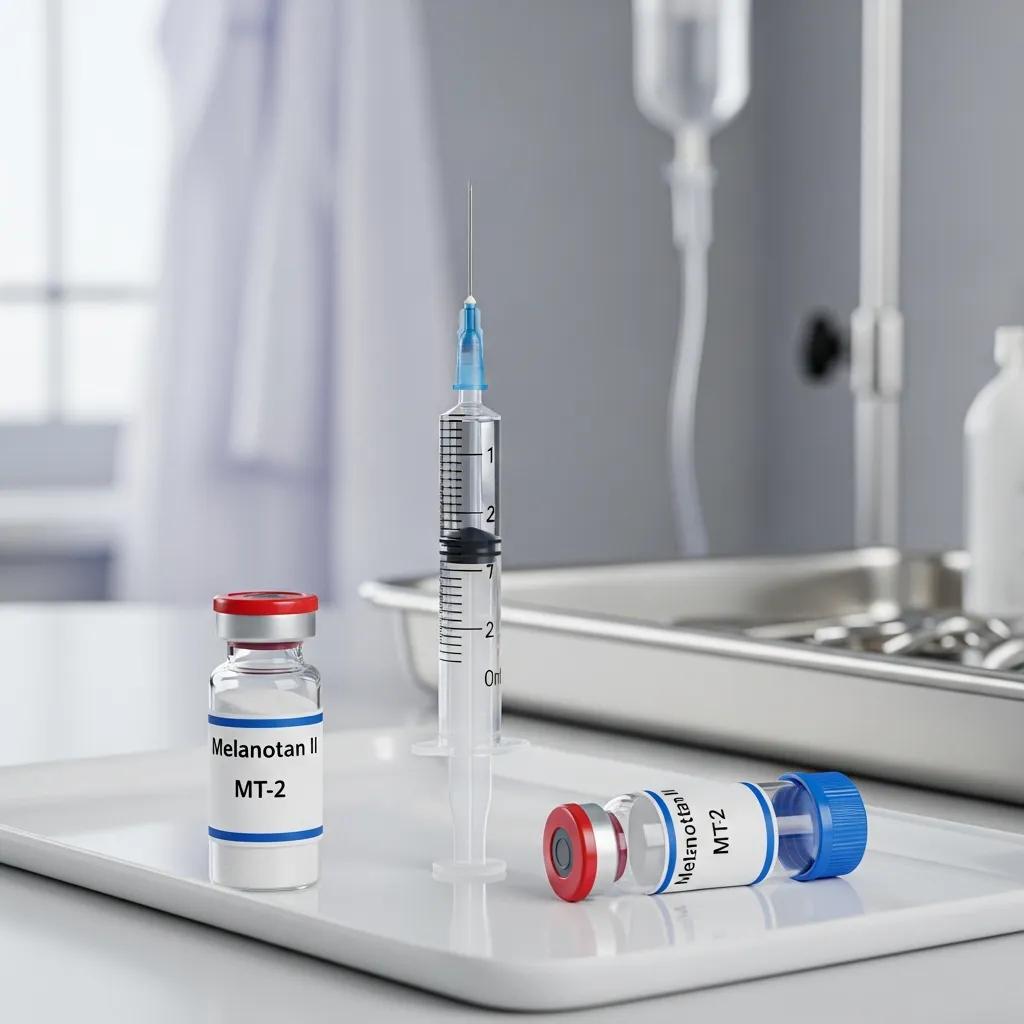
Establishing empirically justified dosing protocols is essential when employing MT‑2 in research. Reported experimental dosages typically range from 0.5 mg to 2.0 mg per injection, with administration frequency determined by study objectives. Principal research applications include investigation of cutaneous pigmentation, ultraviolet protection and appetite regulation. Investigators should define dose and route of administration in accordance with study design, ethical review, and applicable regulatory requirements to optimize experimental outcomes.
| Dosage Protocol | Application | Frequency |
|---|---|---|
| 0.5 mg | Initial testing | 2-3 times per week |
| 1.0 mg | Skin pigmentation studies | Daily for 1-2 weeks |
| 2.0 mg | Appetite regulation | Weekly |
This table summarizes recommended dosing protocols for selected research applications and underscores the necessity of tailoring regimens to achieve specific experimental endpoints.
The safety profile of Melanotan 2 has been evaluated in multiple studies, which report adverse events such as nausea, flushing and increased libido. Although many subjects tolerate MT‑2 without severe effects, investigators must implement active monitoring for adverse reactions and employ appropriate safety measures. Comprehensive characterization of safety parameters is essential to ensure ethical conduct and participant protection in research.
Qualified researchers may obtain Melanotan 2 from specialised suppliers that provide research‑grade peptides. One such supplier is VivePeptides, which lists Melanotan 2 (MT‑2) among its research products. Purchasers must ensure compliance with applicable regulatory frameworks and institutional policies when acquiring and handling peptides. Appropriate sourcing, documentation and handling procedures are critical to maintain the integrity of experimental work.
For complementary research, BPC‑157 is another peptide under investigation for potential therapeutic applications.
GHK‑Cu is an additional peptide of interest, reported to possess regenerative properties.
In summary, Melanotan 2 constitutes a research subject of interest due to its distinct pharmacological properties and prospective applications. Continued investigation into its mechanisms of action, safety profile and appropriate experimental use is necessary to advance scientific understanding in this area.
For peptide reconstitution, bacteriostatic (BAC) water is commonly used.