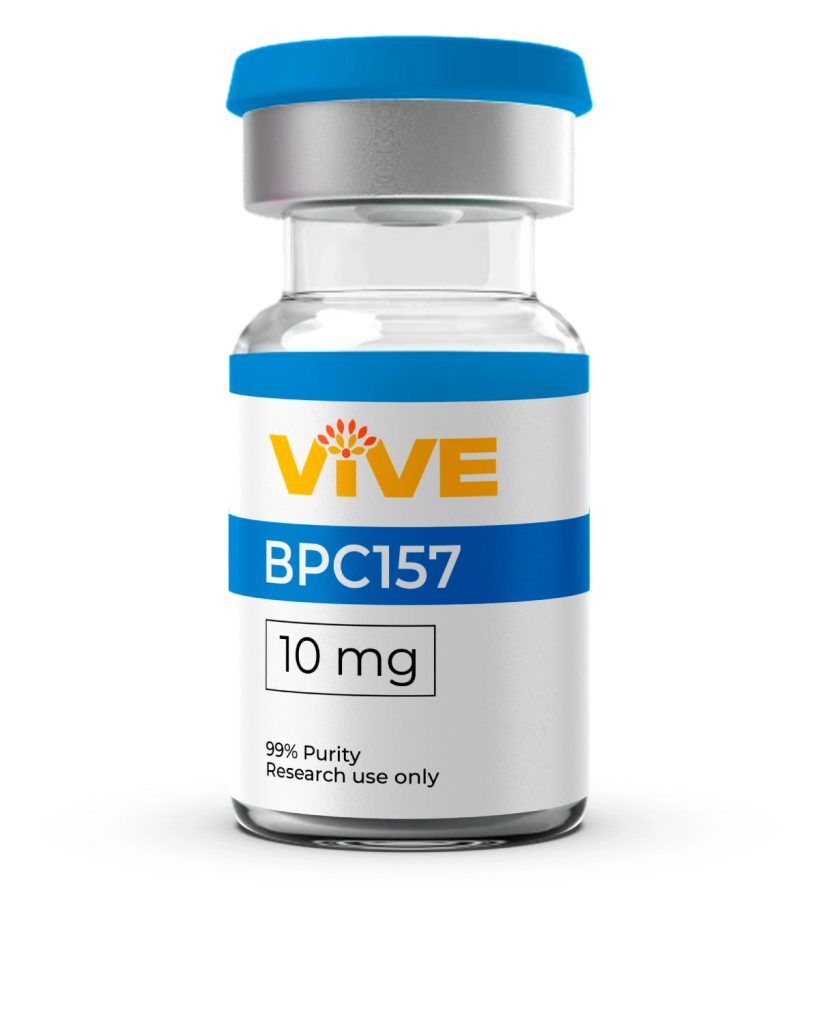
BPC-157 is a synthetic peptide that has attracted substantial interest within the research community due to its putative therapeutic properties. This guide provides a systematic overview of its molecular structure, mechanisms of action and reported regenerative effects, intended for researchers and academics. As peptide research advances, a precise understanding of BPC-157’s applications in tissue repair and inflammation modulation is required. The subsequent sections examine its biochemical interactions, salient studies and safety considerations to deliver a comprehensive synthesis of the peptide’s role in healing and recovery.
Early studies have characterised BPC-157’s origin and documented its broad regenerative activity.
BPC-157: Origin, Discovery, and Broad Healing Properties
BPC-157 (Body Protection Compound‑157) is a synthetic pentadecapeptide derived from a cytoprotective protein present in gastric juice. Composed of fifteen amino acids, BPC-157 was first described in the early 1990s by Croatian investigators examining its potential for tissue regeneration and accelerated healing. Initial studies reported regenerative effects including stimulation of angiogenesis, modulation of inflammatory pathways and promotion of cellular repair across tissues such as muscle, tendon, ligament, bone and components of the nervous system.
BPC-157: Origin, Discovery, and Applications Origin and Discovery
BPC-157 is a peptide of fifteen amino acids with molecular formula C₆₂H₉₈N₁₆O₂₂ and a molecular weight of 1419.53 g/mol. Its primary sequence is Gly‑Glu‑Pro‑Pro‑Pro‑Gly‑Lys‑Pro‑Ala‑Asp‑Asp‑Ala‑Gly‑Leu‑Val. This molecular configuration permits interaction with multiple biological systems relevant to repair processes. Reported mechanisms include enhancement of angiogenesis, modulation of inflammatory signalling and promotion of cell survival under stress, features that support its consideration as a therapeutic research candidate.
Subsequent investigations have expanded on these mechanisms and characterised the peptide’s systemic effects across multiple organ systems.
BPC-157: Molecular Structure & Systemic Healing Mechanisms
Reviews of the gastric mucosa‑derived pentadecapeptide BPC‑157 (Gly Glu Pro Pro Pro Gly Lys Pro Ala Asp Asp Ala Gly Leu Val, M.W. 1419) describe beneficial effects on diverse organ lesions. Beyond gastrointestinal applications, reported effects include potential benefit in pancreatic and hepatic injury, endothelial and cardiac damage (including dysrhythmias following reoxygenation), and modulation of blood pressure. Experimental findings also document effects on acute and chronic inflammation, wound healing and fracture (pseudoarthrosis) repair. Collectively, these observations suggest activity within a peptidergic defence network and indicate interactions with multiple systems (notably dopamine, nitric oxide, prostaglandin and somatosensory neuronal systems) that may underlie the protective actions.
The pharmacological properties of the novel peptide BPC 157 (PL-10), P Sikiric, 1999
BPC-157 engages multiple biochemical pathways that facilitate repair. Empirical evidence indicates it enhances fibroblast migration and proliferation—processes essential to wound closure—and promotes angiogenesis, the formation of new blood vessels necessary for nutrient and oxygen delivery to injured tissue. Experimental data also indicate modulation of inflammatory responses, characterized by reductions in select pro‑inflammatory cytokines and an environment more conducive to tissue repair.
These biochemical interactions are corroborated by studies that describe the molecular pathways through which BPC-157 mediates regeneration and healing.
BPC-157: Molecular Mechanisms & Regenerative Healing
BPC-157, originally isolated from gastric juice, has exhibited regenerative activity across multiple animal models. It activates overlapping signalling cascades, including VEGFR2 and nitric oxide synthesis via the Akt‑eNOS axis, which promote angiogenesis and fibroblast activity and support neuromuscular stability. Additional engagement of ERK1/2 signalling facilitates endothelial and muscle repair and contributes to observed anti‑inflammatory effects, notably in poorly vascularised tissues such as tendons and myotendinous junctions.
Regeneration or risk? A narrative review of BPC-157 for musculoskeletal healing, FP McGuire, 2025
BPC-157 exhibits defined chemical characteristics that underpin its suitability for research. Key properties reported in supplier and literature specifications include:
These specifications support use in controlled research applications and provide a reproducible foundation for experimental evaluation of therapeutic potential.
Published reports describe several reparative effects associated with BPC-157, which are of interest within regenerative medicine. Documented therapeutic outcomes include:
These documented effects indicate potential utility in clinical contexts such as sports medicine and rehabilitation, subject to further verification.
Recent investigations report that BPC-157 facilitates repair in tissues including skin, muscle and bone. Its pro‑angiogenic activity—promotion of new blood vessel formation—has been observed in preclinical models and in preliminary human reports, and is considered a central mechanism for improved nutrient and oxygen delivery to healing tissues. These findings warrant additional controlled research.
Experimental data indicate that BPC-157 modulates inflammatory processes by decreasing levels of specific pro‑inflammatory cytokines and by promoting expression of anti‑inflammatory factors. Such modulation contributes to an improved microenvironment for tissue repair in the models studied.
The evidence base for BPC-157 is expanding, with multiple preclinical studies and an increasing number of clinical reports evaluating its therapeutic potential. Clinical observations have suggested effects in tendon injuries, muscle tears and certain gastrointestinal disorders. Ongoing studies continue to clarify mechanisms of action, dose–response characteristics and clinical efficacy across indications.
Peer‑reviewed publications from 2024–2026 have reported reproducible findings of BPC‑157’s capacity to promote healing and tissue regeneration in the contexts studied. These articles contribute to a growing evidence base that supports continued, controlled investigation of the peptide’s applications.
Research on BPC-157 utilises a range of experimental models, including in vitro cell culture systems and in vivo animal models. These methodologies enable assessment of molecular mechanisms, dosage effects and translational potential under controlled laboratory conditions.
Recommended research dosages reported in the literature typically range from 200 to 500 micrograms per day, contingent on the experimental design and endpoints. Proper handling involves storage in a cool, dry environment and reconstitution with bacteriostatic water to preserve stability.
Reconstitution of BPC-157 requires the addition of bacteriostatic water to the vial of lyophilised peptide; follow aseptic technique throughout the procedure.
Adherence to these steps supports compound stability and preserves experimental integrity during the specified storage period.
Established dosage guidance for research‑grade BPC-157 advises a typical range of 200–500 micrograms per day, adjusted according to study objectives and ethical approvals. Strict adherence to protocolised dosing is essential for reproducibility and safety in experimental settings.
Safety and stability considerations are central to experimental use of BPC-157. Available studies report a favourable safety profile at recommended dosages; nonetheless, investigators must ensure sourcing from reputable suppliers, implement validated handling procedures and maintain compliance with applicable regulatory and institutional standards.
Existing literature documents a low incidence of adverse events when BPC-157 is used according to reported protocols. Potential risks include allergic reactions and interactions with concomitant substances. Researchers should perform comprehensive risk assessments and monitor subjects for adverse events throughout study conduct.
VivePeptides maintains quality control procedures and employs rigorous testing to verify product purity and regulatory compliance for its research‑grade peptides, including BPC‑157. These measures are intended to ensure that researchers receive material consistent with stated specifications.
Qualified researchers may procure high‑purity BPC‑157 from specialised suppliers such as VivePeptides. The ordering process typically requires account creation, product selection and completion of the purchase. BPC‑157 is available for research applications.
In addition to BPC-157, suppliers offer ancillary products to support experimental workflows. Commonly available items include:
These products are provided to complement BPC‑157 in research protocols and related laboratory procedures.
For additional research applications, consider the CJC-1295/Ipamorelin Blend.
VivePeptides offers documentation and customer support designed to assist researchers with product information and procedural guidance. For enquiries, contact support via email at support@vivepeptides.com or by telephone at (480) 896-2732.