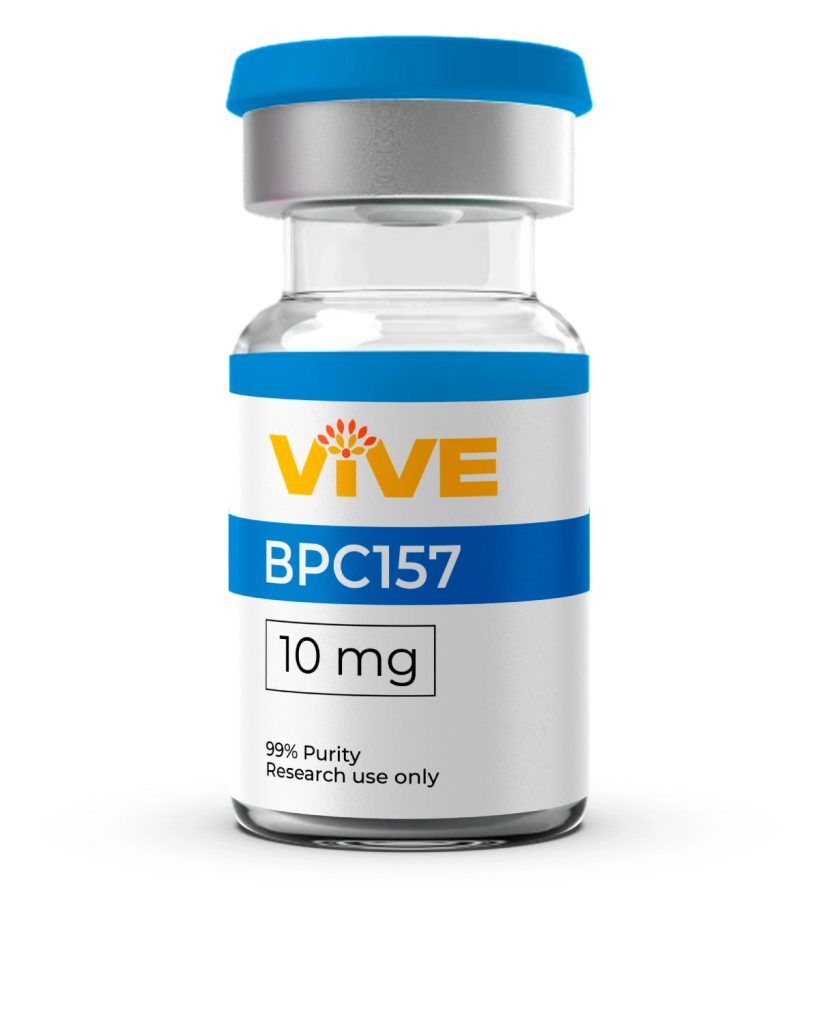
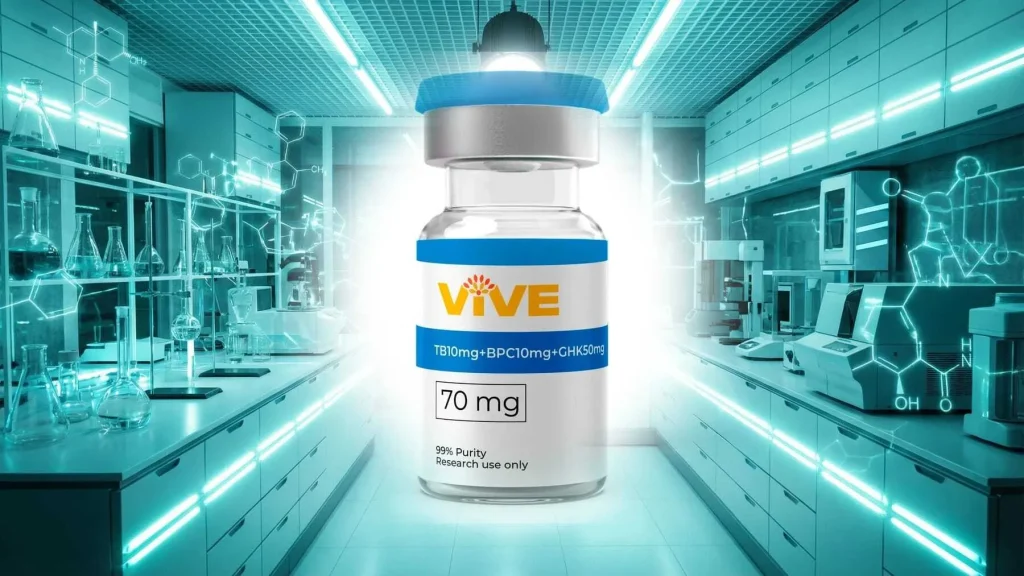
Glow Blend is a peptide formulation combining BPC-157, TB-500 and GHK-Cu, each characterised by distinct molecular mechanisms. The formulation is intended to support tissue repair, promote skin rejuvenation and provide general physiological support within research contexts. It has attracted interest among peptide-therapy investigators due to its potential applicability across multiple pathological and regenerative models. The following text examines composition, mechanisms, benefits and research applications to provide a concise scientific overview.
Glow Blend represents a deliberate combination of three peptides selected for complementary actions. BPC-157 contributes regenerative effects, TB-500 facilitates cellular migration and healing processes, and GHK-Cu targets dermal regeneration and extracellular matrix modulation. Collectively, these peptides produce a formulation intended to support tissue repair and skin integrity in experimental and preclinical settings.
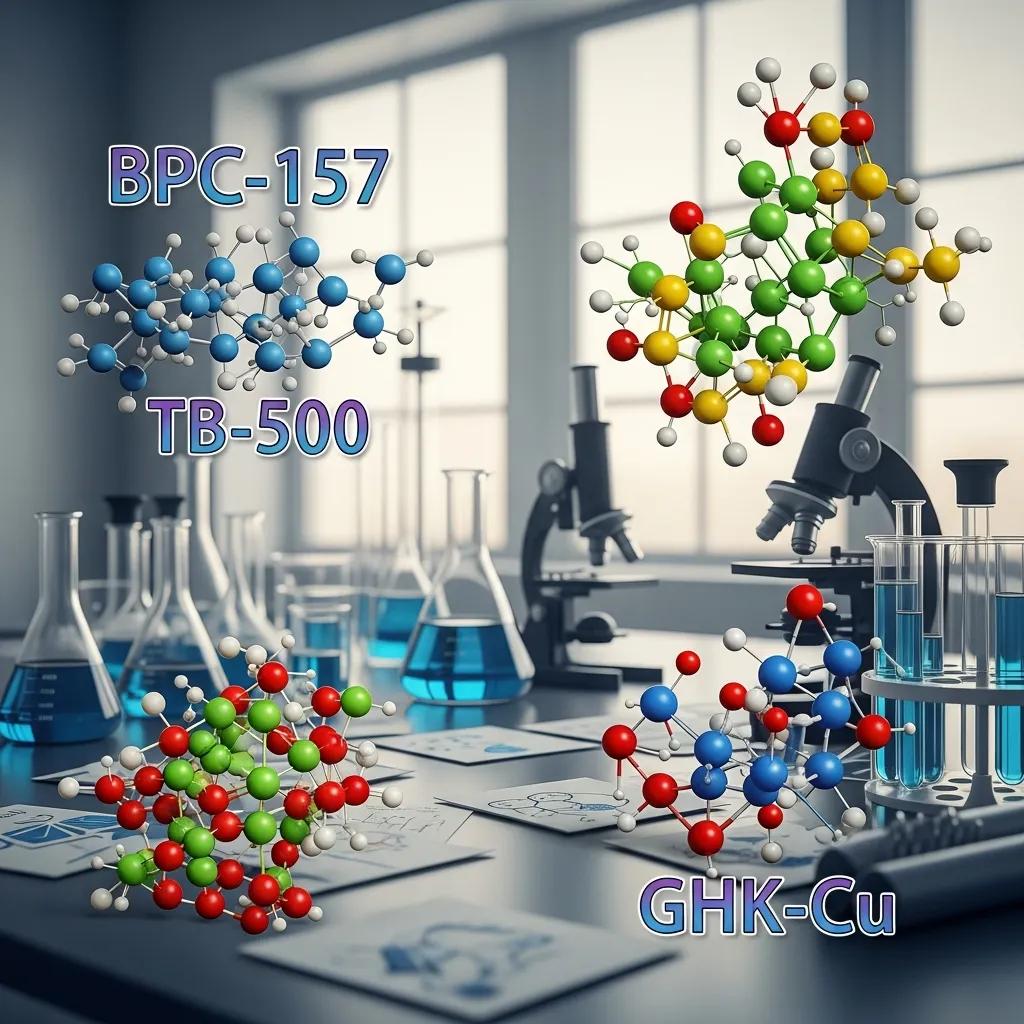
The composition of Glow Blend comprises the following principal peptides:
Each constituent peptide possesses defined molecular weight and structural properties that underpin its biological activity, rendering the blend appropriate for a range of research applications.
The mechanisms of action attributed to the peptides within Glow Blend are discrete yet complementary.
These mechanisms operate in concert to enhance the formulation’s capacity to support tissue repair and cutaneous health.
Glow Blend may provide several research-relevant benefits, increasing its utility in therapeutic investigations:
Researchers seeking research-grade peptides for experimental use may procure supplies from vendors such as VivePeptides, which provide materials suitable for laboratory studies.
Quality assurance is an essential component of peptide formulation supply. Glow Blend is manufactured under controlled quality procedures to ensure product purity and analytical consistency. Quality measures include:
Glow Blend is applicable to multiple research domains, notably regenerative medicine and dermatological science. Representative applications include:
The Glow Blend composition is defined by its three primary peptides: BPC-157, TB-500 and GHK-Cu. Each component is selected for its specific pharmacological profile and contribution to the blend’s overall activity.
The three peptides comprising Glow Blend are listed below for clarity:
The molecular and biochemical characteristics of each component are as follows:
The principal scientific benefits and mechanisms associated with each peptide are summarised below:
These mechanisms collectively indicate the blend’s potential utility in targeted therapeutic research.
BPC-157 facilitates tissue repair and regeneration by increasing local blood perfusion to injured sites, upregulating selected growth factors and attenuating inflammatory responses. This combination of effects contributes to accelerated reparative processes in experimental models.
TB-500 supports healing by promoting directed cellular migration to sites of injury and by modulating cell differentiation pathways integral to tissue restoration. These activities assist in the structural and functional recovery of damaged tissues.
GHK-Cu enhances dermal repair and rejuvenation through stimulation of collagen synthesis, modulation of matrix metalloproteinases and improvement of skin elasticity metrics. Its effects on wound-healing pathways render it relevant for dermatological investigations.
GHK-Cu demonstrates multiple dermatological actions, including:
Recent peer-reviewed studies corroborate GHK-Cu’s role in skin repair, demonstrating enhanced collagen synthesis and accelerated wound closure in experimental models. Reported outcomes include measurable improvements in skin texture and elasticity relevant to dermatological research.
Combination of BPC-157, TB-500 and GHK-Cu is intended to produce synergistic effects by addressing complementary biological pathways. The integrated activity is intended to enhance the formulation’s overall therapeutic profile for tissue repair and cutaneous regeneration.
Within the blend, peptides interact to promote cellular migration, stimulate extracellular matrix synthesis and improve perfusion to injured tissues. The resulting multitargeted response is designed to optimise reparative outcomes in controlled studies.
Existing literature and preclinical investigations document the individual efficacies of BPC-157, TB-500 and GHK-Cu; combined-use studies highlight potential additive or synergistic benefits for healing and skin health. These data support further controlled evaluation of the blend in relevant models.
Acquisition and use of research-grade Glow Blend peptides necessitate verification of supplier credentials and analytical documentation. Researchers should source materials from established vendors, such as VivePeptides, and ensure access to certificates of analysis and handling specifications.
Purity criteria and quality-control procedures for Glow Blend encompass contaminant screening, quantitative verification of peptide concentrations and stability assessments. These controls ensure that supplied materials meet defined research-grade specifications.
Recommended laboratory protocols for handling Glow Blend peptides include:
Adherence to these protocols supports the safe, reproducible and effective application of Glow Blend in research settings.